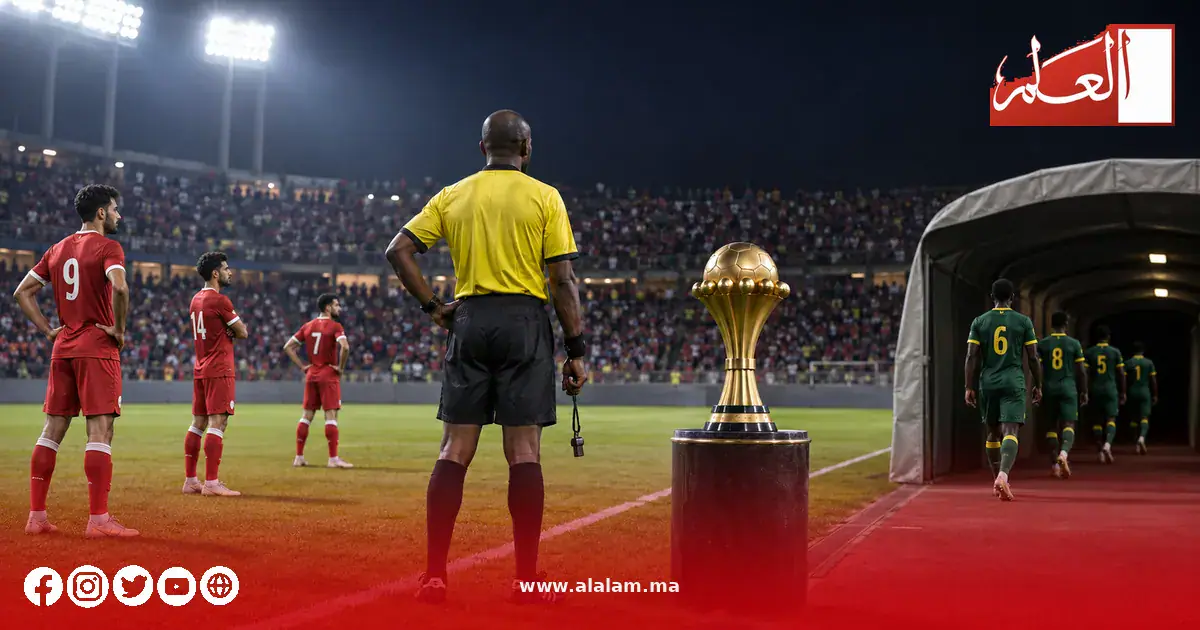
The International Sports Arbitration Court (CAS) issued a ruling on November 24, 2026, in the dispute over the 2025 Africa Cup of Nations final between Morocco and Senegal. The court overturned the decision made by the CAF Appeals Committee, awarding the title to Senegal and confirming the outcome of the match played in Rabat on January 18, 2026. This ruling brings an end to a protracted and contentious dispute that had cast a shadow over African football.
At the heart of the dispute was the interpretation of the regulations governing the tournament, specifically articles 82 and 84. The CAF Appeals Committee had initially ruled that Senegal's actions warranted a forfeit of the match, while the CAS took a different view. According to the CAS, these articles apply when a team's behavior leads to the referee stopping the match, which was not the case here. This interpretation has sparked debate about the role of referees, the power of governing bodies, and the behavior of teams in the face of adverse decisions.
The CAS ruling has significant implications for the future of African football, particularly regarding team withdrawals and protests. While the court did not explicitly condone or endorse team withdrawals, it did highlight the need for clear regulations and consistent application. The incident has raised concerns about the potential for teams to exploit loopholes and use walk-offs as a tactic to influence the outcome of matches or pressure referees.
The behavior of Senegalese players, who left the field in protest at a refereeing decision, has been widely criticized. While players and coaches have the right to protest within established channels, abandoning the match is not an acceptable course of action. This incident has sparked a wider conversation about sportsmanship, discipline, and respect for referees, laws, and opponents.
The Confederation of African Football (CAF) and the Fédération Internationale de Football Association (FIFA) face a critical responsibility in protecting the future of the sport. To prevent similar incidents, they must review and revise the regulations surrounding team withdrawals, protests, and refereeing decisions. This includes establishing clear guidelines on temporary and permanent withdrawals, disciplinary actions, and measures to protect referees from pressure and abuse.
The CAS ruling has also sparked concerns about the potential for external factors to influence the outcome of matches. There are fears that some parties may seek to exploit the situation for political or media gain, which could have far-reaching consequences for African football and its reputation.
Ultimately, the CAS ruling has brought a measure of closure to a contentious dispute, but it also serves as a reminder of the need for continued vigilance and cooperation among stakeholders in African football. CAF, FIFA, and national associations must work together to promote a culture of fair play, respect, and sportsmanship, and to ensure that the laws and regulations governing the sport are clear, consistent, and effectively enforced.
Key points
- The CAS ruling emphasizes the importance of clear regulations and consistent application in African football.
- The incident highlights the need for CAF and FIFA to review and revise regulations surrounding team withdrawals and protests.
- The ruling has significant implications for the future of African football, particularly regarding team behavior and refereeing decisions.