The Msomo na Hazi program, which was launched on December 30, 2020, and funded by the European Union to the tune of 9 million euros, has concluded after six years of implementation. The program's primary objective was to facilitate access to employment and self-employment for young people in Comoros, particularly those most exposed to unemployment. According to the program's promoters, over 15,000 young people have benefited from guidance and follow-up, with nearly 11,000 attending the six services put in place and 7,000 receiving support or training.
The program has achieved significant milestones, including the creation of Sowo la Hazi centers, the update of the national strategy for vocational training and job placement by 2030, and support for the National School of Agricultural Training and Rural Development in Wanani, Mwali. Additionally, the program experimented with social and solidarity economy initiatives in several villages. The program's impact has been hailed by stakeholders, including the European Union, which has emphasized the importance of vocational training in enabling young people to develop their skills and contribute to the country's economic and social development.
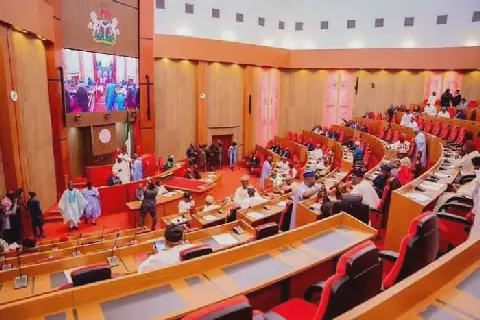
At the program's final steering committee meeting, held on October 27 at the People's Palace in Moroni, stakeholders reflected on the achievements and discussed the way forward. The meeting was attended by representatives of the government, the European Union, governors, and partners from the public and private sectors. The Secretary General of the Ministry of Finance, Dhoihirdine Ahamada Bacar, presented the program's achievements, highlighting progress in vocational training and job placement.
The program has also led to the training of over 500 people in various vocational fields and the signing of 335 apprenticeship contracts, with 180 young apprentices obtaining their professional competency certificates. Beneficiaries and trainers shared their experiences, including a carpenter who lost a finger on the job but regained motivation with the program's support. The meeting also involved discussions on the steering committee's recommendations and the handover of documentation on the program's experiences and achievements to the Ministry of National Education.
Stakeholders have emphasized the need to sustain the program's achievements, with the European Union's interim head of office, Elisabeth Rousset, stressing that the program's closure does not mark the end of efforts but rather a transition. The Minister of National Education, Bacar Mvoulana, also highlighted the importance of maintaining the gains made, while the representative of the Ministry of Finance assured that arrangements would be made to consolidate the Sowo la Hazi centers and ensure follow-up for apprentices.
The program's conclusion has sparked discussions on the way forward, with the representative of the Ministry of Finance inviting the European Union to consider new funding under its 2028-2034 programming. The event concluded with a slam performance, marking the end of the program. Key stakeholders have expressed their commitment to building on the program's successes and ensuring that the progress made is not reversed.
As the Msomo na Hazi program comes to a close, its legacy will be measured by the impact it has had on the lives of young people in Comoros. With over 15,000 beneficiaries and significant achievements in vocational training and job placement, the program has laid the groundwork for future initiatives aimed at promoting economic and social development in the country.
Key points
- The Msomo na Hazi program has supported over 15,000 young people in Comoros through vocational training and job placement initiatives.
- The program has received 9 million euros in funding from the European Union and has achieved significant milestones, including the creation of Sowo la Hazi centers and the update of the national strategy for vocational training and job placement.
- Stakeholders have emphasized the need to sustain the program's achievements and have discussed the way forward, including potential new funding from the European Union.