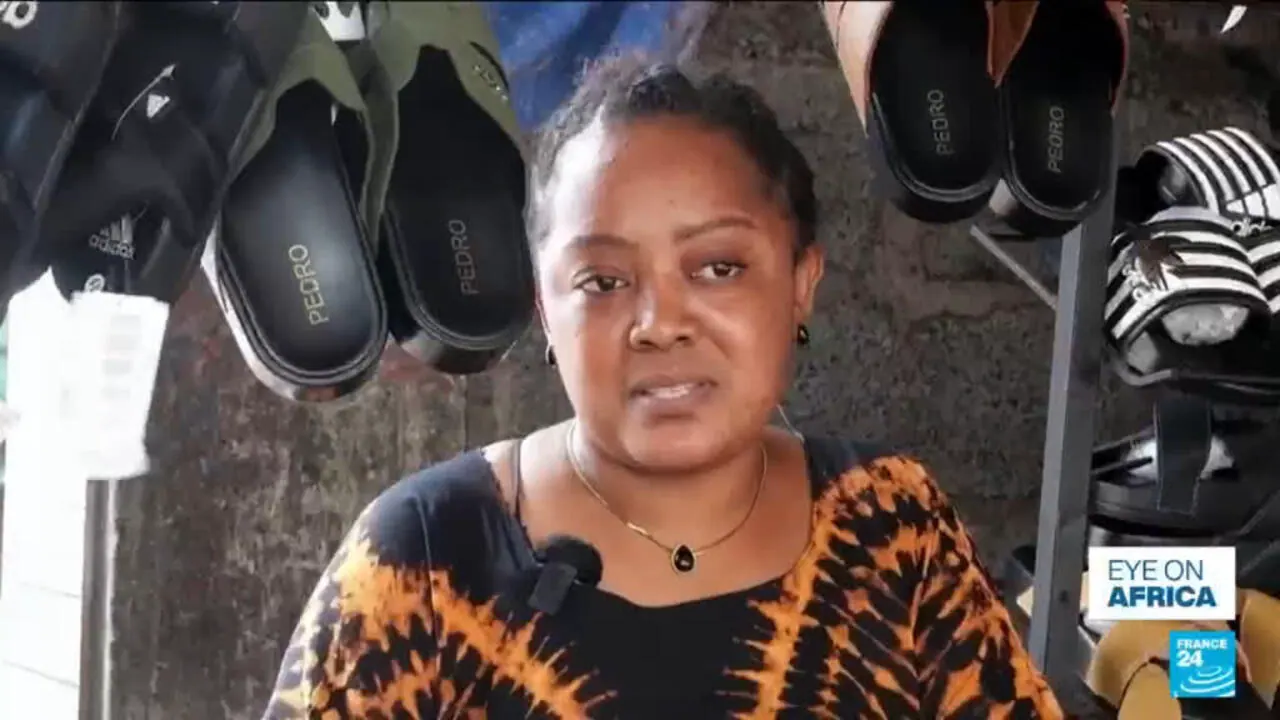
The Comoros has introduced a new law that prohibits foreign nationals from operating certain small-scale businesses. This move is expected to impact the livelihoods of thousands of people, primarily from Madagascar. The law is part of a growing trend of economic protectionism targeting migrant workers across Africa. The Comoros, an island nation located off the coast of East Africa, has a significant number of foreign nationals contributing to its economy.
The new law aims to promote local entrepreneurship and protect domestic jobs. However, it may have far-reaching consequences for foreign nationals who have been running businesses in the Comoros. Many of these individuals have been an integral part of the country's economy, and their departure could lead to job losses and economic instability. The Malagasy community, in particular, is expected to be severely affected by this law.
This move by the Comoros is not isolated, as several African countries have been adopting similar measures to restrict the involvement of foreign nationals in their economies. The trend of economic protectionism has been gaining momentum across the continent, with many countries seeking to prioritize local businesses and jobs. Critics argue that such laws could lead to economic isolationism and harm the overall economic growth of the countries implementing them.
The Comoros has a diverse economy, with a significant focus on agriculture, fishing, and tourism. The country has been working to develop its economy and improve the standard of living for its citizens. However, the new law may hinder these efforts, as foreign nationals have been contributing to the country's economic growth. The government will need to balance the need to protect domestic jobs with the need to attract foreign investment and expertise.
The implementation of this law is expected to be challenging, as it will require significant changes to the country's business landscape. The government will need to provide support to local entrepreneurs and businesses to ensure that they can fill the gap left by foreign nationals. Additionally, the government will need to engage with the international community to address concerns about the impact of the law on foreign nationals and the economy.
The reaction to the new law has been mixed, with some supporting the move as a way to promote local economic growth, while others have expressed concerns about its impact on foreign nationals and the economy. The law is expected to be enforced strictly, and foreign nationals who violate the law may face penalties and fines. The government has stated that it will provide support to those affected by the law.
The Comoros' decision to restrict foreign nationals in certain jobs has sparked a debate about the role of migrant workers in the country's economy. The government will need to navigate the complexities of this issue and find a balance between protecting domestic jobs and promoting economic growth. The impact of this law will be closely watched by other African countries, which may consider similar measures in the future.
Key points
- The Comoros has introduced a new law banning foreign nationals from certain small-scale businesses.
- The law is expected to impact thousands of people, primarily from Madagascar.
- The move is part of a growing trend of economic protectionism targeting migrant workers across Africa.