Commuters in various Nigerian cities are yet to experience a reduction in transport fares, contrary to President Bola Tinubu's promise. On August 27, 2027, and September 19, 2026, Tinubu announced that transport fares would be slashed across the country. However, findings by The Guardian in Kaduna, Oyo, Enugu, Abuja, and Lagos revealed that transport fares remain unchanged. In Enugu, for instance, traveling to Umuahia in Abia State by car from the Gariki terminal still costs N6,500, while buses collect N5,000.
In the Southeast region, transport fares have remained the same. Traveling from Enugu to Owerri in Imo State costs between N7,000 and N7,500 for Sienna cars, while buses collect N6,000. Those traveling from Enugu to Onitsha pay N6,000 by car and N4,500 by bus. The Toyota Hiace at God Is Good Motors (GIGM) to Abuja from Enugu collects N44,020 for online bookers, while those offline pay N45,000. Similarly, those traveling to Lagos from Enugu pay N42,500. Commercial bus operators in Enugu urban have also not changed their fares, with tricycle operators charging N300 for short distances.
Caleb Obi, a tricycle operator in Enugu, corroborated The Guardian's findings, stating that "nothing has changed because the interventions from the federal and state governments are yet to come." He added that with fuel prices remaining high at N1,400 per liter, it is not possible to reduce transport fares. In Kaduna State, commuters also expressed disappointment that transport fares had not decreased. A commuter, Monday Ade, noted that commercial bus owners cannot reduce fares knowing that the cost of fuel has not come down.
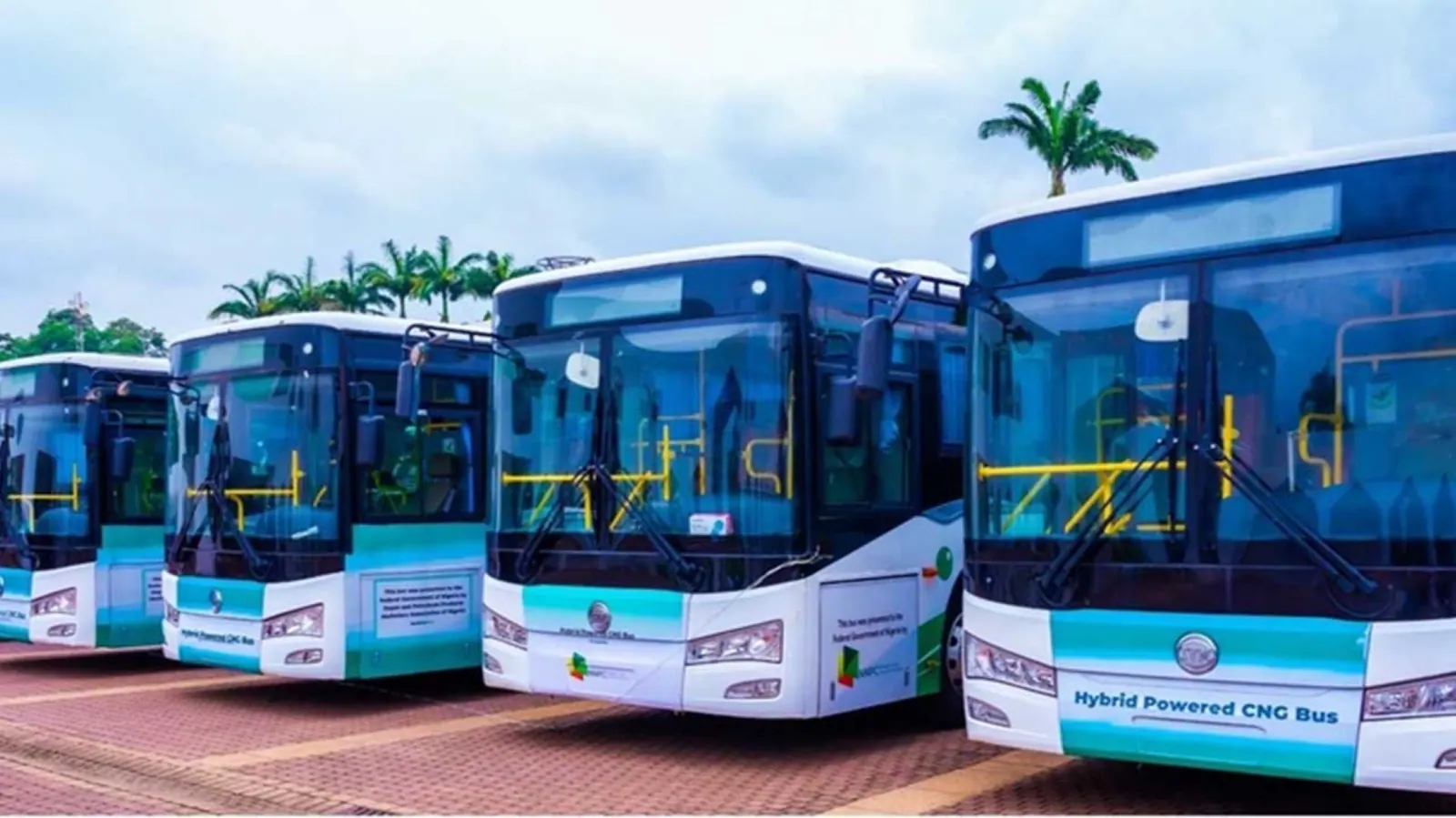
In Kaduna, bus fares from Sabo to Kasuwa remain N700 one way, and from Samrada Filling Station in Ungwar Romi to Kasuwa, it is N500. A commercial bus driver, Mallam Nasir Abu, wondered how they would reduce fares when they still buy fuel between N1,450 and N1,500 per liter. However, the Kaduna State government claimed that citizens are already enjoying free public transportation, with 60 CNG-powered buses deployed daily across designated routes in the Kaduna metropolis.
In Oyo State, residents and transport stakeholders reported no reduction in transport fares. Transport fare from Secretariat to UI remains N500 for commercial motorcycles and N300 for tricycle. A public affairs analyst, Dayo Ogunbowale, corroborated The Guardian's findings, stating that there has been no reduction in transport fares. Fisayo Daramola, a resident, described the claim of fare reduction as propaganda, saying commuters have not experienced any noticeable change.
Olalere Adetunji, a union leader, confirmed that there has been no decrease in transport fares across Oyo State. Akintayo Abioye, a student, and Andrew Ajaapofo, a businessman, also reported no reduction in fares. In Abuja, commuters reported exorbitant transport fares with no reduction in the last two days. In satellite towns like Bwari, transport fares to commercial hubs remain unchanged. Elizabeth Tyesi, a Mararaba resident, lamented that the President's promise had yet to hold true for those commuting along her axis.
In Lagos, federal mass buses were still charging N500 for a trip between Mile 2 and Oshodi, while yellow buses demanded between N700 and N800. The fare for train services also remained the same. With fuel prices remaining high and no noticeable reduction in transport fares, commuters continue to bear the brunt of high transportation costs.
Key points
- President Bola Tinubu's promise of reducing transport fares from October 1 has yet to be fulfilled.
- Commuters in various Nigerian cities report no change in transport fares despite the President's announcement.
- High fuel prices continue to affect transport fares, making it challenging for operators to reduce fares.