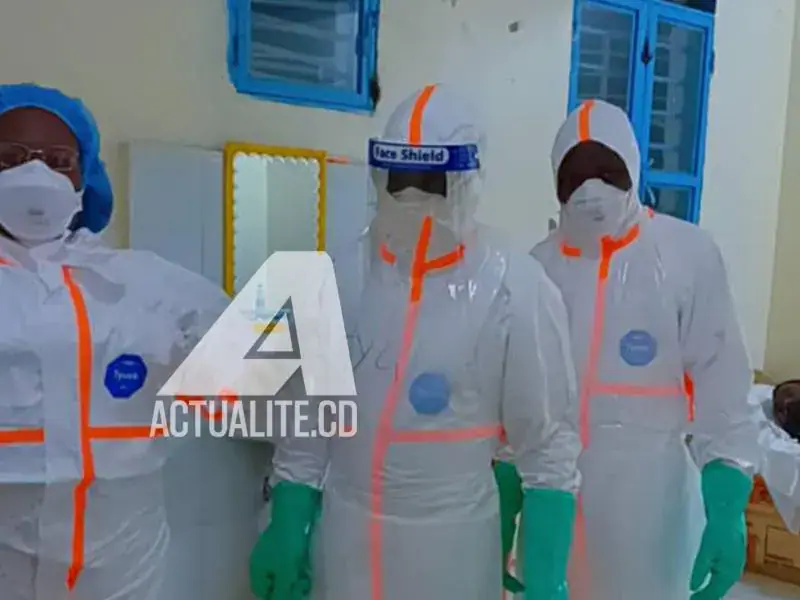
The health zone of Nizi in Ituri, Democratic Republic of the Congo, has been severely affected by the Ebola outbreak, with 827 confirmed cases and 488 deaths reported in July 2026, according to the World Health Organization (WHO). The area has struggled with community resistance to Ebola response efforts, including treatment and safe burials. To address this, community-led investigations were conducted to understand the root causes of this resistance and adapt response strategies to local realities.
The investigations, which took place from August 10-18, identified several factors contributing to the transmission of Ebola, including the trivialization of early symptoms, self-medication, and traditional healing practices. Dr. Jean-Claude Lonzama, health zone chief of Nizi, recalled that the epidemic had reached its critical level in July, with many community members refusing to seek medical care or participate in safe burials. These findings informed a new approach to Ebola response in the area.
Nina Gobat, community investigation coordinator with the WHO response team, explained that the goal of the investigations was to understand the social and cultural factors driving community resistance to life-saving interventions. The investigations involved local leaders, who were mobilized to sensitize their communities to the risks of Ebola and the importance of response efforts. Deogratias Mungu-Djakisa, chief of the Taratibo groupement, reported that he had received training to relay prevention measures to his community.
The efforts appear to be yielding results, with Nizi reporting 119 confirmed cases and 51 community deaths in October. While the epidemic persists, the alert mechanisms seem to be improving, with Dr. Lonzama noting that response teams can now effectively respond to all alerts related to community deaths. The experience in Nizi highlights the crucial role of community involvement in Ebola response efforts.
The investigations and subsequent community engagement have contributed to a reduction in resistance to Ebola response efforts in Nizi. The WHO and other response partners have worked to build trust with local communities and adapt response strategies to local contexts. This approach has been recognized as essential in preventing and interrupting Ebola transmission.
The Ebola epidemic in DR Congo continues to affect multiple provinces, with eight provinces reporting cases, including Ituri, Tshopo, and Nord-Kivu. As of November 2, the country had recorded 5,165 deaths, according to official figures. The situation remains challenging, with response teams facing resistance and security concerns in some areas.
The success of community-led investigations in Nizi offers a promising approach to addressing Ebola response challenges in DR Congo. By engaging with local communities and understanding their concerns and needs, response teams can build trust and develop effective strategies to prevent and control the spread of Ebola.
Key points
- Community-led investigations have helped reduce resistance to Ebola response efforts in DR Congo's Ituri region.
- Local leaders have been mobilized to sensitize their communities to the risks of Ebola and the importance of response efforts.
- The approach has contributed to improved alert mechanisms and a reduction in community deaths.