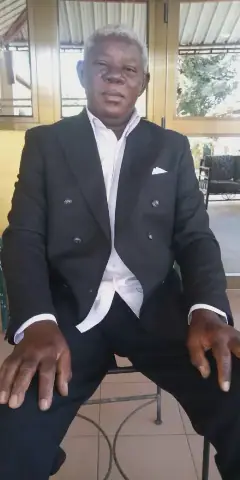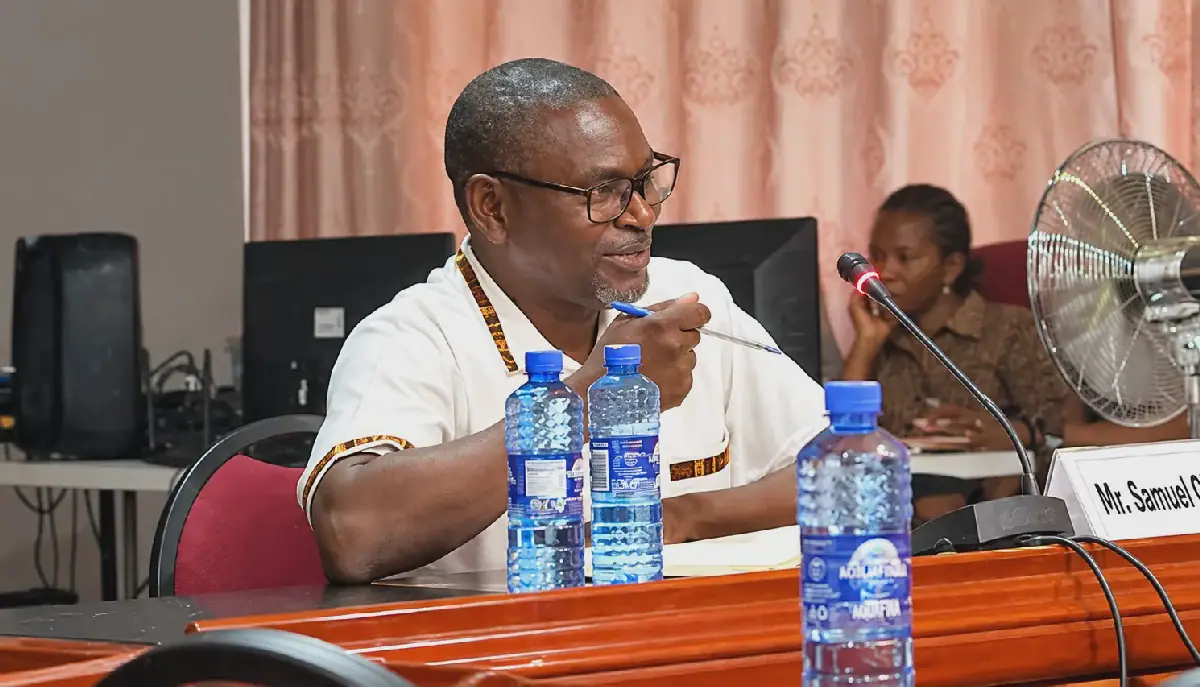
A parliamentary ad-hoc committee in Malawi is investigating inconsistencies in the testimony of Samuel Christy Lwara, who claimed to have discovered the site of a military plane crash on June 11, 2024. Lwara, an independent UTM Party campaigner, initially told the committee in Lilongwe that he was the first person to reach the crash site at Kasangazi but later retracted his statement. The committee is scrutinizing Lwara's account, which includes claims of taking photographs of the wreckage and obtaining information from overseas laboratories.
Lwara's testimony has raised several questions, including discrepancies in the timing of events. He claimed to have taken photographs between 8:10 am and 8:30 am on June 11, 2024, but previous inquiries indicated that the crash site was discovered between 10:30 am and 11:00 am. Committee members are also seeking clarification on the mobile phone Lwara used to take the photographs, which he claimed was confiscated by security officers at around 10:20 am. Lwara was unable to explain the phone feature he allegedly used to detect a fire at Kasangazi.
The committee is also investigating Lwara's claims that debris from the crash was sent abroad for laboratory analysis. He initially stated that he sent the material through a courier for examination at laboratories in Canada and Germany, using a friend identified as Mr. Robertson. However, Lwara later acknowledged that he did not receive feedback from the laboratories and described his earlier assertions as "assumptions." No formal laboratory findings have been presented to substantiate this part of his account.
Lwara's testimony also included claims of communication with former MDF Commander General Vincent Nundwe and Newton Kambala during the search operation. However, these accounts were not independently corroborated during the proceedings. The German Federal Bureau of Aircraft Accident Investigation (BFU) final report attributed the military plane crash to adverse weather and human error.
The parliamentary committee's inquiry is focused on establishing the facts surrounding the crash, which resulted in the deaths of nine people, including Vice President Saulos Chilima. The committee is seeking to clarify the circumstances leading to the discovery of the crash site and the handling of evidence. Lwara's testimony has raised concerns about the integrity of the investigation and the potential for inconsistencies in the evidence presented.
The investigation into the plane crash has been ongoing, with previous inquiries recommending an examination of safety protocols. The committee's findings are expected to shed more light on the circumstances surrounding the crash and the response to the incident. The inquiry has also highlighted the need for greater transparency and accountability in the handling of evidence and witness testimony.
The Malawi Defence Force (MDF) Dornier aircraft crash on June 10, 2024, resulted in a significant loss of life, including the Vice President and other high-ranking officials. The committee's investigation is crucial in determining the causes of the crash and identifying areas for improvement to prevent similar incidents in the future. The inquiry will continue to scrutinize witness testimony and evidence to establish a comprehensive understanding of the events leading to the crash.
Key points
- Inconsistencies in witness testimony have raised questions about the discovery of the Malawi military plane crash site.
- The parliamentary committee is investigating claims of overseas laboratory analysis of crash debris.
- The inquiry aims to establish the facts surrounding the crash and identify areas for improvement.