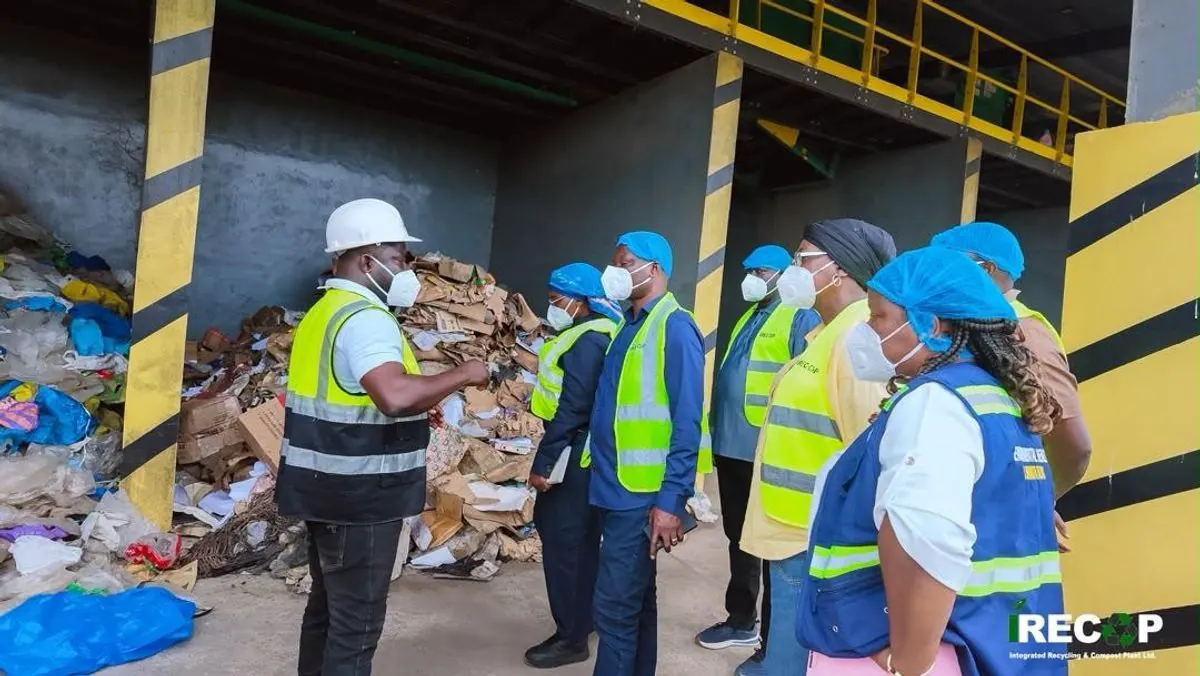
The Parliamentary Select Committee on Water and Sanitation has expressed satisfaction with the sanitation and waste management situation in the Volta Region, describing it as the cleanest region it has visited so far. This is part of the committee's ongoing monitoring of sanitation and waste management activities across Ghana. The committee's assessment aims to identify best practices and areas for improvement in the country's sanitation sector. The Volta Region's cleanliness was attributed to effective waste management practices and community involvement. The committee's findings will inform its recommendations on the Sanitation Authority Bill.
The Sanitation Authority Bill is expected to strengthen the country's sanitation infrastructure and improve waste management practices. The bill, which has received support from the Parliamentary Select Committee on Water and Sanitation, aims to establish a national sanitation authority to oversee sanitation and waste management activities. The authority will be responsible for regulating the sanitation sector, providing technical assistance to local authorities, and promoting public education on sanitation and hygiene. The committee's backing of the bill is a significant step towards its passage into law.
The Parliamentary Select Committee on Water and Sanitation has been touring the country to monitor sanitation and waste management activities. The committee's visits aim to assess the current state of sanitation in Ghana and identify challenges and opportunities for improvement. The committee has visited several regions, including the Volta Region, and has been impressed by the region's cleanliness. The committee's findings will inform its recommendations on the Sanitation Authority Bill and other related policies.
The Sanitation Authority Bill is part of a broader effort to improve sanitation and waste management in Ghana. The bill is expected to provide a framework for addressing the country's sanitation challenges, including inadequate waste management infrastructure and poor hygiene practices. The bill's passage into law is expected to improve the country's sanitation situation and promote public health. The Ministry of Sanitation and Water Resources has been working closely with stakeholders to ensure the bill's passage.
Ghana has made significant progress in improving sanitation and waste management in recent years. However, challenges persist, including inadequate waste management infrastructure and poor hygiene practices. The Sanitation Authority Bill aims to address these challenges by providing a comprehensive framework for sanitation and waste management. The bill's passage into law is expected to improve the country's sanitation situation and promote public health.
The Parliamentary Select Committee on Water and Sanitation has been working closely with stakeholders to ensure the passage of the Sanitation Authority Bill. The committee has been engaging with civil society organizations, local authorities, and other stakeholders to ensure that the bill meets the needs of all stakeholders. The committee's efforts aim to ensure that the bill is passed into law and that it is effectively implemented.
The passage of the Sanitation Authority Bill is expected to have a positive impact on Ghana's sanitation situation. The bill's implementation is expected to improve waste management practices, promote public education on sanitation and hygiene, and reduce the risk of water-borne diseases. The bill's passage into law is a significant step towards achieving the country's sanitation goals and promoting public health.
Key points
- The Parliamentary Select Committee on Water and Sanitation supports the Sanitation Authority Bill.