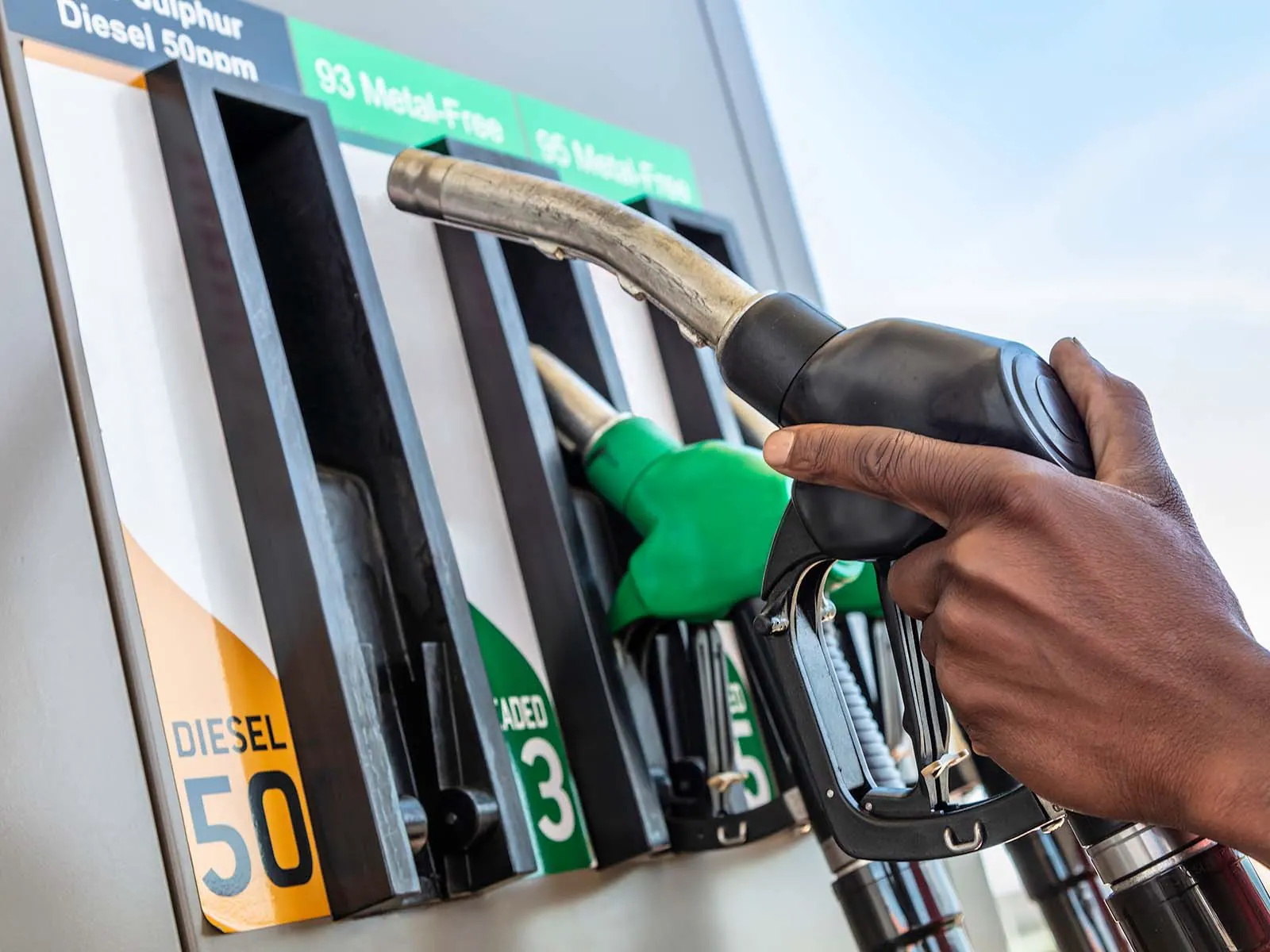
The Chamber of Oil Marketing Companies (COMAC) in Ghana has renewed its call for the full deregulation of fuel prices. According to COMAC's Chief Executive Officer, Dr. Riverson Oppong, continued government intervention in the fuel pricing structure is affecting the operations of private businesses in the downstream petroleum sector. The call comes as the government continues to subsidize diesel amid rising global oil prices.
Dr. Oppong argued that the industry cannot be described as fully deregulated when the government continues to influence parts of the fuel pricing structure. He questioned why the government should determine the prices private businesses charge when companies operate in a free market and rely on borrowed funds to finance their operations. This, he believes, is contradictory to the principles of a free market economy.
While some components of the pricing formula have been deregulated, government interventions remain, according to Dr. Oppong. He explained that certain aspects of the pricing structure are not fully deregulated, and government subsidies continue. This has resulted in the government being able to provide subsidies to consumers. Dr. Oppong also mentioned that government interference remains one of the biggest challenges facing oil marketing companies.
The COMAC CEO expressed concerns about the continued entry of new players into an industry already crowded with 245 oil marketing companies. He stated that anyone applying for an oil marketing company's license must either not understand the business or be up to something, as the existing players are already capable of meeting the market's needs. Dr. Oppong maintained that a fully deregulated market would allow private sector operators to determine prices without excessive government intervention.
The fuel sector in Ghana has seen significant activity, with 245 oil marketing companies competing for market share. According to COMAC, this overcrowding poses challenges to the industry. In related news, fuel prices are expected to rise from October 1, with diesel potentially hitting GH¢19.60. This increase is attributed to the global oil shock and its impact on Ghana's fuel prices.
Ghana's fuel consumption has seen a significant increase, rising 12.24% to 4.06 billion liters in the first half of 2026. The country is also exploring ways to shift towards domestic fuel production. COMAC has been advocating for reforms in the sector, including the suspension of certain sections of the Customs Act. The organization has also called for crude oil revenue windfalls to support the struggling downstream sector.
The Chamber of Oil Marketing Companies is pushing for a more liberalized fuel market, where private sector operators can play a more significant role in determining prices. With the government's continued intervention in the fuel pricing structure, COMAC believes that the industry is not operating efficiently. As the government considers its options, COMAC's call for full deregulation is likely to remain a contentious issue in Ghana's energy sector.
Key points
- COMAC wants full deregulation of fuel prices to allow private sector operators to determine prices without excessive government intervention.
- The organization argues that continued government intervention is affecting the operations of private businesses in the downstream petroleum sector.
- Ghana's fuel consumption has risen 12.24% to 4.06 billion liters in the first half of 2026.