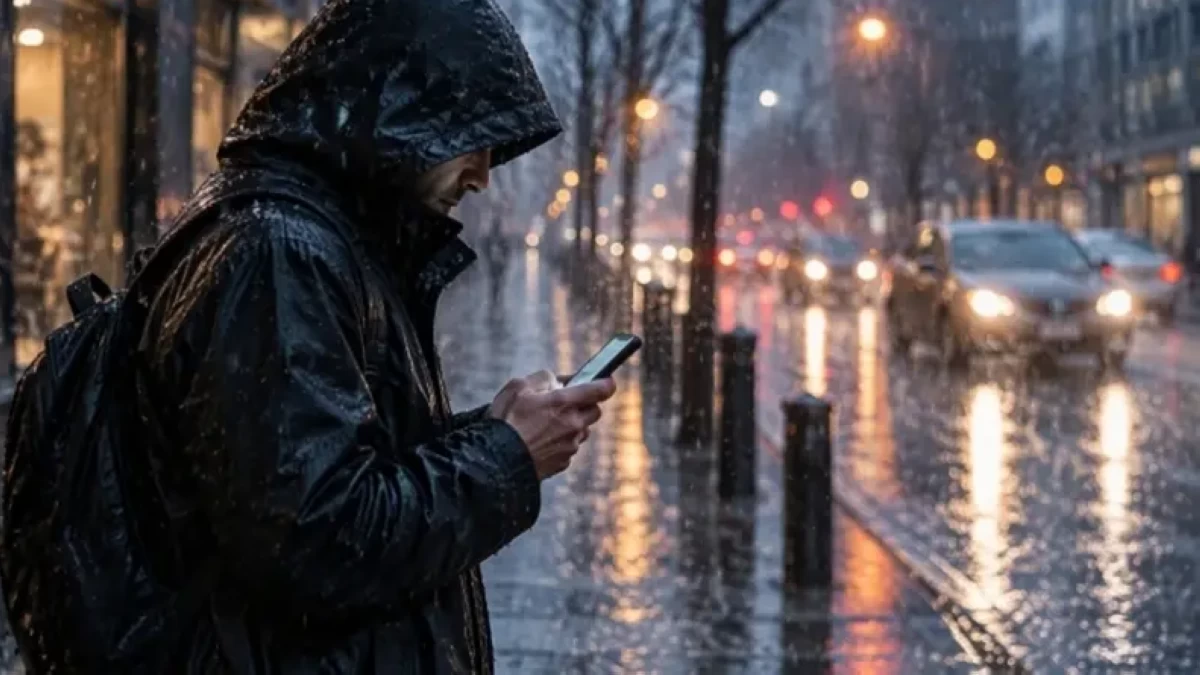
With winter approaching, Egyptians are advised to take precautions to protect their smartphones from the cold weather. Low temperatures can negatively impact smartphone performance and battery life, causing rapid draining or temporary shutdowns. According to a report by How-To Geek, most smartphones operate optimally between 0°C and 35°C. Prolonged exposure to extreme temperatures can lead to battery degradation.
To mitigate these risks, users can take several simple precautions. One key step is to minimize exposure to cold temperatures, especially when it's below freezing or snowing. Keeping the phone in an inner pocket or a dry, insulated bag can help maintain a stable temperature. Users should also avoid leaving their phones in cold environments for extended periods.
Using thermal phone cases and screen protectors can provide additional insulation against cold temperatures. These accessories can be particularly useful for people who spend extended periods outdoors, such as during winter trips or in areas with extremely low temperatures. It's essential to choose cases that fit the phone model and don't obstruct cooling.
Carrying a portable power bank can be a lifesaver in cold weather, as phones tend to drain faster in low temperatures. Users are advised to charge their phones fully before heading out and to keep a charged power bank handy in case of emergencies. It's also recommended to store the power bank in a dry, moderate-temperature environment.
Enabling low-power mode can help extend battery life, especially when charging is limited or difficult. This feature reduces background app activity, visual effects, and automatic downloads, thereby conserving energy. Users can activate low-power mode through their phone's settings or control center.
Checking weather forecasts before heading out can help users prepare for extreme weather conditions and take necessary precautions to protect their phones. By using built-in weather apps or specialized apps like AccuWeather and OpenSnow, users can stay informed about temperature fluctuations, rainfall, and snowfall in their area.
Finally, users should avoid charging their phones when they're extremely cold, as this can put additional stress on the battery. If a phone has been exposed to freezing temperatures, it's best to let it return to room temperature before charging. Users should also heed warning messages about temperature and wait for the device to indicate that it's safe to charge.
Key points
- Avoid exposing your phone to extreme cold temperatures to prevent battery draining.
- Use thermal phone cases and screen protectors to provide additional insulation.
- Carry a portable power bank to ensure you have a backup power source.