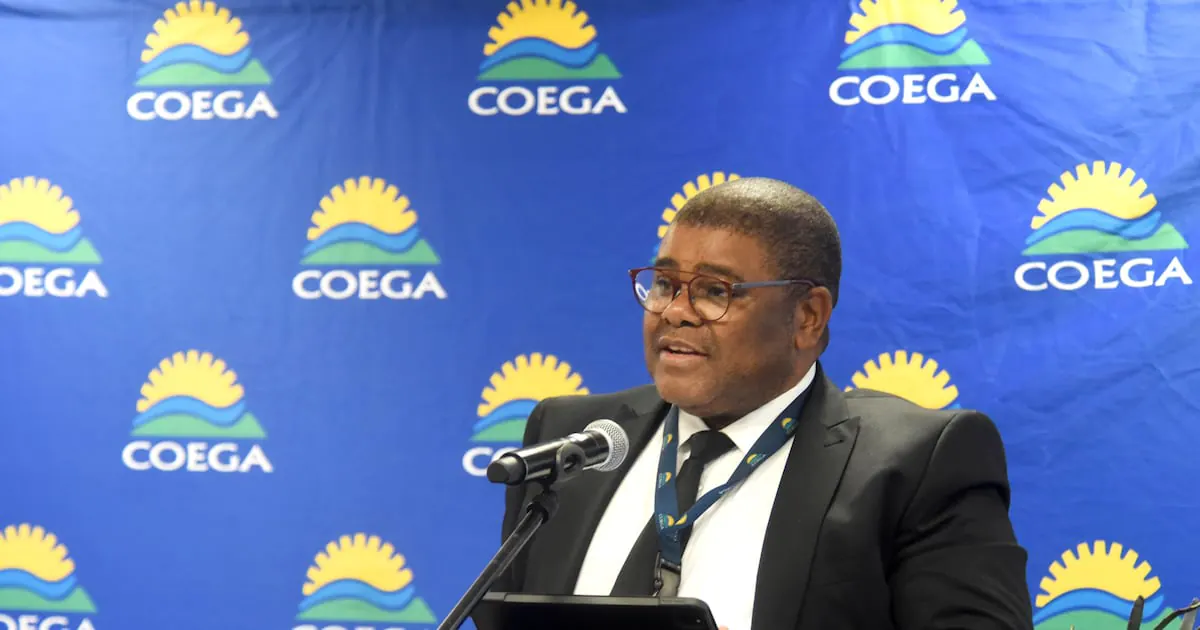
The Coega Development Corporation is considering hosting an oil refinery in its industrial hub, according to CEO Themba Koza. This move aims to restore domestic refining capacity and reduce South Africa's reliance on imported fuel. The country's exposure to external supply shocks has been highlighted by disruptions to oil flows from the Middle East. Koza emphasized the need for South Africa to produce more of the energy and fuel it consumes.
South Africa's refining capacity has significantly decreased after a series of refinery closures. In 2019, domestic refining and processing supplied about 78% of the country's petroleum product demand, but this has since fallen to about 39%. As a result, imports now account for about 61% of supply. This shift has increased the country's vulnerability to international fuel prices, shipping costs, and global supply disruptions.
The government is already working to rebuild capacity at the former South African Petroleum Refineries site in Durban. The Central Energy Fund acquired the site in 2024 and has outlined a phased redevelopment plan, including a refinery capable of processing about 400,000 barrels of crude oil a day. The Coega industrial hub, located adjacent to the deep-water Port of Ngqura, has industrial activity across various sectors, including energy, metals, chemicals, and logistics.
Coega has no existing refinery infrastructure, unlike the former Sapref site in Durban. However, the special economic zone is linked to a planned liquefied natural gas import and regasification facility at Ngqura. This facility, which will supply gas to power projects and industrial users in the SEZ, is a result of a 25-year terminal operator agreement between Transnet National Ports Authority and Ukwanda LNG.
According to Koza, South Africa needs to strengthen relationships with oil-producing countries on the continent and develop alternative sources of supply to limit the effect of future disruptions. This would help the country avoid the impact of global oil supply chain disruptions. Koza's comments highlight the need for a domestic refinery, but no announced refinery project, investor, financing plan, or construction timetable is associated with his statements.
The proposed oil refinery at Coega would not entirely remove South Africa's exposure to international fuel prices and supply disruptions. Crude feedstock would still need to be imported, but a domestic refinery would help reduce the country's reliance on imported fuel. The Coega Development Corporation's exploration of an oil refinery possibility is part of a broader effort to enhance the country's energy security.
The Central Energy Fund's redevelopment plan for the Sapref site in Durban includes longer-term plans to increase capacity to 400,000-650,000 barrels a day, subject to investment and approvals. While no similar plans have been announced for Coega, the possibility of an oil refinery at the industrial hub highlights the country's efforts to address its energy needs and reduce its reliance on imported fuel.
Key points
- Coega Development Corporation CEO Themba Koza suggests hosting an oil refinery to reduce South Africa's reliance on imported fuel.
- South Africa's refining capacity has decreased significantly since 2019, with imports now accounting for about 61% of supply.
- The government is working to rebuild capacity at the former Sapref site in Durban, with a planned refinery capable of processing about 400,000 barrels of crude oil a day.