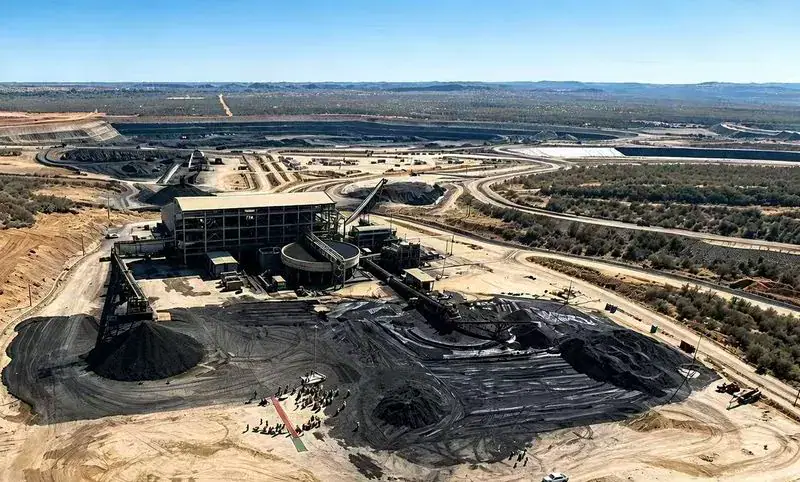
A coalition of farmers, rural communities, and conservationists in northern Limpopo is fighting to halt a multibillion-rand, high-polluting string of Chinese-owned factories planned for a pristine biodiverse corridor along the Limpopo River. The first coal pit has already been dug by Kinetic Development Group, which is part of a larger project that includes coal mines and factories backed by the Limpopo Department of Economic Development Environment and Tourism.
The planned industrial project is located in the Vhembe Biosphere Reserve, a region covering about three million hectares, 84% of which remains in a natural state. The reserve includes farms, wildlife corridors, the Mapungubwe World Heritage Site, the Makuleke wetlands, and part of Kruger National Park. Conservationists argue that the project threatens large-scale land transformation, industrial pollution, and the water on which local communities depend.
The coalition, led by Living Limpopo's Lauren Liebenberg, has taken its case to court, investigated compliance breaches, filed objections, and petitioned ministers. However, Liebenberg says that successive approaches to the national minister of forestry, fisheries, and the environment have been rebuffed, with the provincial department being deemed the competent authority. This has led to concerns about the environmental impact assessment process and the potential for biased decision-making.
The planned industrial project includes a coal mine, coke ovens, power generation, and smelters associated with the government-backed Musina-Makhado Special Economic Zone. The project's controlling shareholder, Kinetic Development Group, is also an anchor investor in the industrial zone. Conservationists argue that the connected projects are being assessed in pieces, allowing their combined demands and consequences to slip between the files.
One of the key concerns is the project's water demand, particularly in a region where farmers, villages, and ecosystems already depend on constrained supplies. The coalition argues that fundamental questions about the water supply remain unanswered, and that the government's approval of the project is premature. A 97-page objection to the draft environmental assessment has been submitted, challenging the assessment's treatment of water, pollution, biodiversity, and public participation.
The objection argues that the combined impact of the water-intensive industrial project and Kinetic's open-cast coal mining projects has been inadequately assessed, particularly its effect on the already stressed Nzhelele River catchment and other users who depend on it. The consequences of the project would fall heavily on rural households and smallholders dependent on wells and boreholes, with a falling water table potentially leading to a community well that no longer reaches the water.
The coalition remains determined to fight the project, citing the potential for toxic pollutants to leach into the groundwater and the risk of aquifer dewatering around the coal pits. With the national government appearing to duck responsibility, the coalition is left to battle on two fronts: challenging the industrial expansion and trying to hold its government backers to account.
Key points
- The project threatens the water supply and biodiversity of the Vhembe Biosphere Reserve.
- The coalition has taken its case to court and submitted objections to the draft environmental assessment.
- The project's environmental impact assessment process has been criticized for being biased and inadequate.