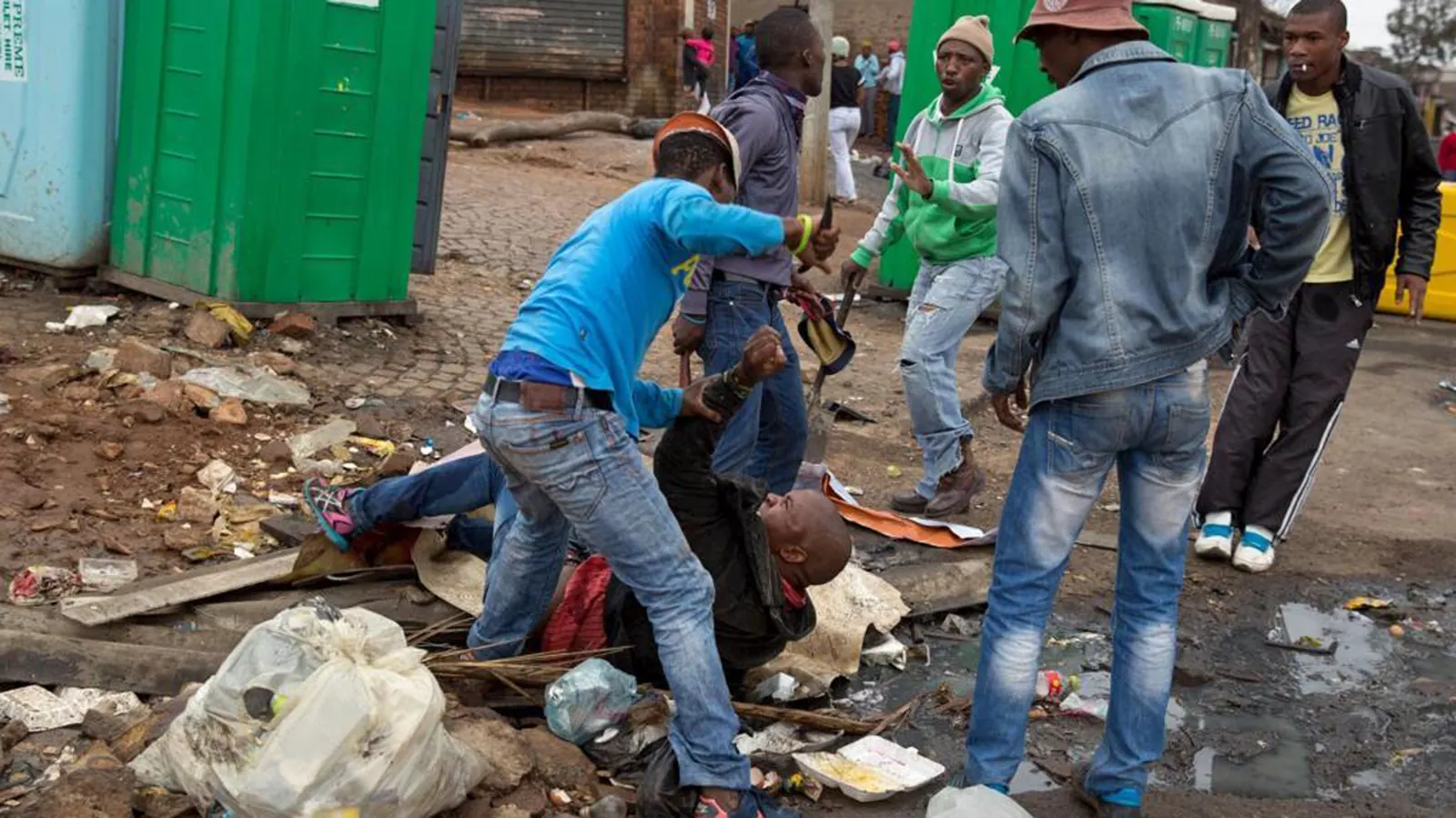
A coalition of Nigerian civil society organisations has protested the reported killing of Nigerians in South Africa, demanding immediate investigations, prosecution of those responsible, and stronger protection for Nigerian citizens in the country. The coalition, led by the Coalition Against Corruption and Bad Governance (CACOBAG), submitted an open protest letter to the Consul-General of South Africa in Lagos, Prof Bobby Moroe, on September 22, 2026. The letter expressed the coalition's "deepest outrage" over the continued killing of Nigerians in South Africa.
The coalition cited the reported deaths of Bishop Michael Taiwo Fakunle and James Uchechukwu Nwankwo, alleging that the two Nigerians died following threats and "gruesome interrogation techniques," respectively. According to the coalition, Fakunle and Nwankwo were the seventh and eighth Nigerians allegedly killed in South Africa in 2026, while more than 100 Nigerians had reportedly died in similar circumstances since 2022. The group further alleged that more than 30 of the deaths involved personnel of the South African Police Service and the South African National Defence Force.
The coalition called for the investigation, arrest, and prosecution of those responsible for the deaths of Fakunle, Nwankwo, and other victims. They also demanded compensation for the families of the victims and guarantees for the safety, dignity, and rights of Nigerians living in South Africa. The organisations recalled Nigeria's historical support for the struggle against apartheid, citing financial assistance worth more than $61 billion in today's value, the nationalisation of BP in 1979, and scholarships for South African students.
The coalition argued that the alleged killings violated provisions of several international and regional human rights instruments, including Article 4 of the African Charter on Human and Peoples' Rights and Article 3 of the Universal Declaration of Human Rights. They also cited Article 6 of the International Covenant on Civil and Political Rights, Article 5(b) of the International Convention on the Elimination of All Forms of Racial Discrimination, and Article 36 of the Vienna Convention on Consular Relations.
The coalition further argued that targeted xenophobic killings could constitute crimes against humanity under Article 7 of the Rome Statute. They warned that failure by the South African authorities to address the allegations could prompt the organisations to seek redress before international and regional judicial bodies, including the International Criminal Court and the African Court on Human and Peoples' Rights.
Represented by CACOBAG Chairman, Toyin Raheem, the coalition called on the authorities to sign and implement the Early Warning Memorandum of Understanding between Nigeria and South Africa. The organisations said Nigerians were proud of their nationality and would not accept their citizens being treated as "second-class human beings" anywhere in the world. They urged the South African authorities to protect Nigerians living in the country and described xenophobia as a crime against humanity.
The coalition's demands are based on the alleged killings of Nigerians, including Nnaemeka Matthew Andrew Ekpeyong and Kelvin Chidicbere Amaramiro, who died in April 2026 while in the custody of South African security forces. The organisations are seeking justice for the victims and stronger action by both the South African and Nigerian governments to prevent further killings and protect Nigerian citizens in South Africa.
Key points
- The coalition demands investigation, prosecution, and compensation for the families of Nigerians killed in South Africa.
- The alleged killings have been linked to xenophobia and have resulted in over 100 Nigerian deaths since 2022.
- The coalition warns of seeking redress before international and regional judicial bodies if the South African authorities fail to address the allegations.