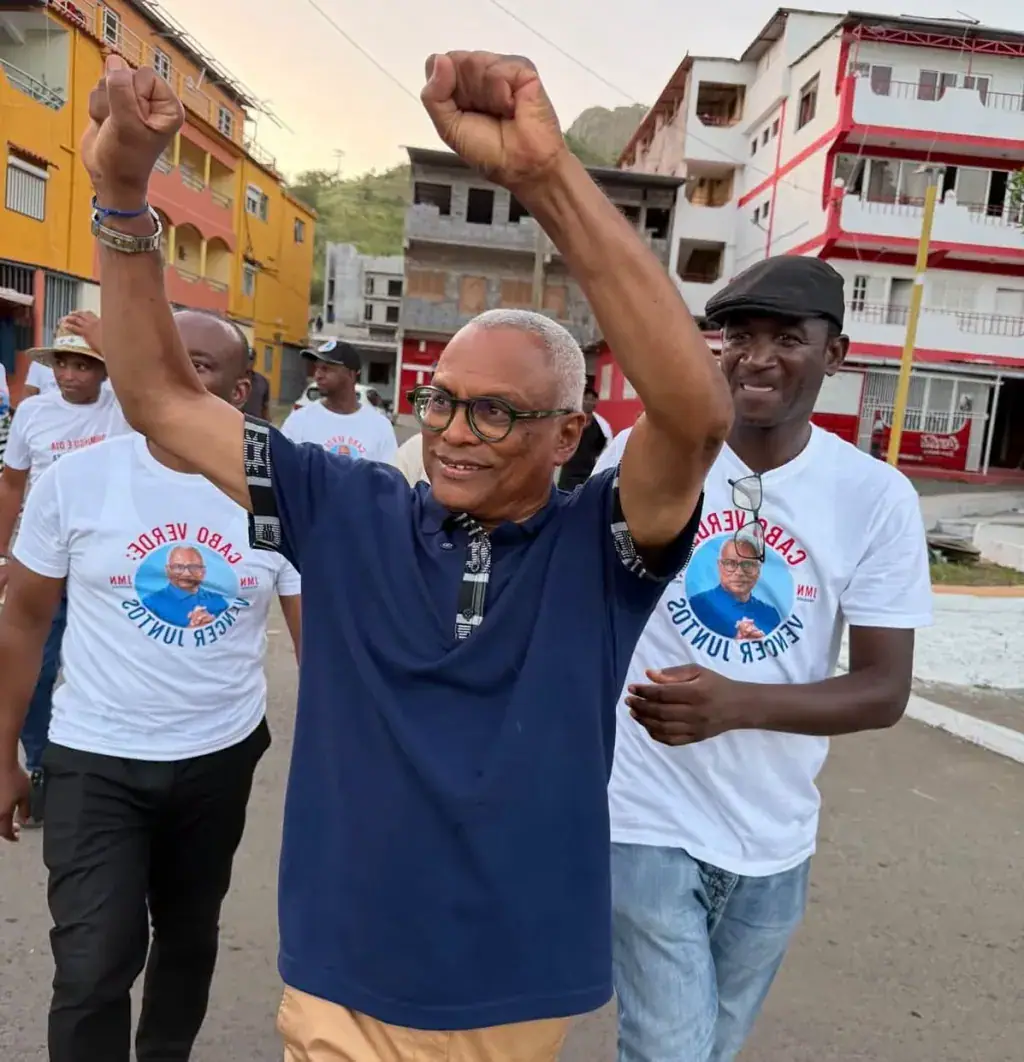
The National Elections Commission (CNE) of Cabo Verde has confirmed the re-election of José Maria Neves as President, securing a second term with 64% of the votes cast in the presidential election held on November 15. Neves garnered 82,621 votes, significantly surpassing his closest opponent, Joana Rosa, who received 40,568 votes, representing 31% of the total votes. The election saw a record-high abstention rate of 68%, the highest in the country's presidential election history.
The CNE's official results reveal that out of 419,532 registered voters, only about 134,000 participated in the election. The abstention rate was 65% within the national territory and as high as 81% in voting stations abroad. Of the 76,452 diaspora voters, merely 14,266 exercised their right to vote. These numbers indicate a significant disengagement from the electoral process. The low turnout has raised concerns about the health of democracy in Cabo Verde.
The election results also showed that other candidates, who did not have the backing of the two main political parties, received considerably fewer votes. Gilson Alves secured 1,805 votes (1.4%), Antero Tavares got 1,639 votes (1.3%), Casimiro de Pina received 1,454 votes (1.1%), and Loisito de Sousa obtained 1,094 votes (0.9%). These candidates did not pose a significant challenge to the two leading candidates.
In response to the record abstention, President-elect José Maria Neves called for an in-depth study to understand the reasons behind the low voter turnout. He suggested implementing electronic voting and mobile voting as potential measures to enhance electoral participation. Neves emphasized the need for a comprehensive analysis to address the underlying issues.
Joana Rosa, the defeated candidate, expressed her disappointment with the high abstention rate, labeling it a "black point" in Cabo Verde's democracy. She stressed the importance of evaluating the situation to prevent similar outcomes in future elections. Rosa's comments reflect concerns about the legitimacy and representativeness of the electoral process.
The re-election of José Maria Neves marks a continuation of his presidency, with a clear mandate from the voters. However, the high abstention rate poses a challenge for his administration, as it may impact the government's legitimacy and effectiveness. The President's proposals for electoral reform aim to address these concerns and encourage greater participation in future elections.
The CNE's confirmation of Neves' re-election brings closure to the presidential election process. The focus now shifts to the President's plans for his second term and efforts to address the issues that led to the record abstention. As Cabo Verde moves forward, it will be crucial to monitor the implementation of electoral reforms and their impact on voter participation.
Key points
- José Maria Neves was re-elected with 64% of the votes, securing a second term as President of Cabo Verde.
- The presidential election saw a record-high abstention rate of 68%, the highest in the country's history.
- Neves has proposed electronic voting and mobile voting as measures to increase electoral participation.
Reporting sources
- CNE confirma reeleição de José Maria Neves com 64% dos votos · Expresso das Ilhas