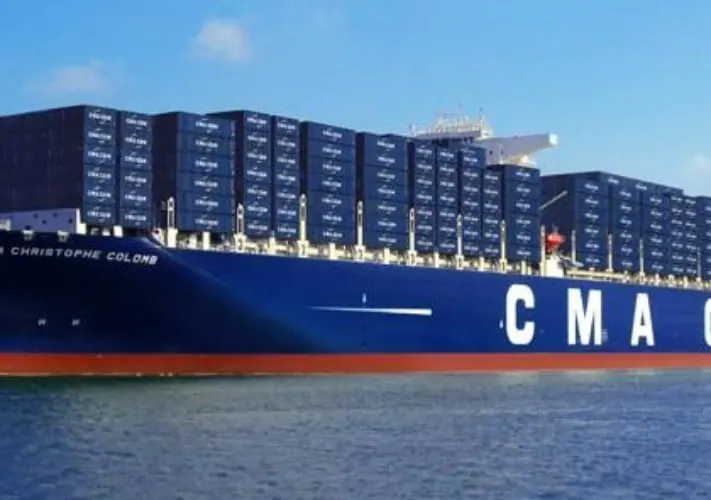
The French shipping company CMA CGM has announced that it will impose peak season surcharges on shipments from North Europe to the Middle East. The surcharges will take effect from mid-October. According to a statement released by the company, the surcharges will apply to refrigerated containers only. The surcharge for each container will be $1,000, in addition to the original freight rate. This move is likely to impact shipping costs for companies that rely on this route.
The decision to impose peak season surcharges is a common practice in the shipping industry. It allows shipping lines to capitalize on increased demand during peak periods. The Middle East is a significant market for European exporters, and the surcharges will likely affect various industries, including food, pharmaceuticals, and consumer goods. Companies that rely on refrigerated containers to transport their goods will bear the brunt of the additional costs.
Meanwhile, another major shipping company, Maersk, has announced that it will end its cooperation with CMA CGM on the ASAS2 service. The ASAS2 service connects Asia to the East Coast of South America. According to Maersk, the last voyage under the current arrangement will depart from Shanghai on December 8, 2026. After this voyage, the ASAS2 service will be discontinued. However, Maersk will continue to operate in this trade lane through its ASAS service.
Maersk's ASAS service will continue to operate normally, and the company will maintain control over the service. This will allow Maersk to manage and develop the service independently in response to customer needs and market conditions. Customers will still be able to book shipments between Asia and the East Coast of South America through the ASAS network without disruption.
The decision to end the ASAS2 service and focus on the ASAS service is part of Maersk's strategy to optimize its operations. By maintaining control over the ASAS service, Maersk can ensure that it meets customer needs and adapts to changes in the market. The company's customers will benefit from a more streamlined and efficient service.
The shipping industry is subject to various factors that can impact operations, including changes in demand, supply chain disruptions, and regulatory requirements. Companies like CMA CGM and Maersk must continually adapt to these changes to remain competitive. The imposition of peak season surcharges and the restructuring of services are examples of how shipping lines respond to market conditions.
The impact of CMA CGM's peak season surcharges and Maersk's service changes will be closely watched by industry stakeholders. Companies that rely on shipping services will need to factor in the additional costs and adjust their logistics strategies accordingly. The moves by CMA CGM and Maersk reflect the dynamic nature of the shipping industry and the need for companies to be agile in response to changing market conditions.
Key points
- CMA CGM to impose peak season surcharges on shipments from North Europe to the Middle East
- Maersk to end cooperation with CMA CGM on ASAS2 service
- Maersk to maintain control over ASAS service to ensure continuity for customers