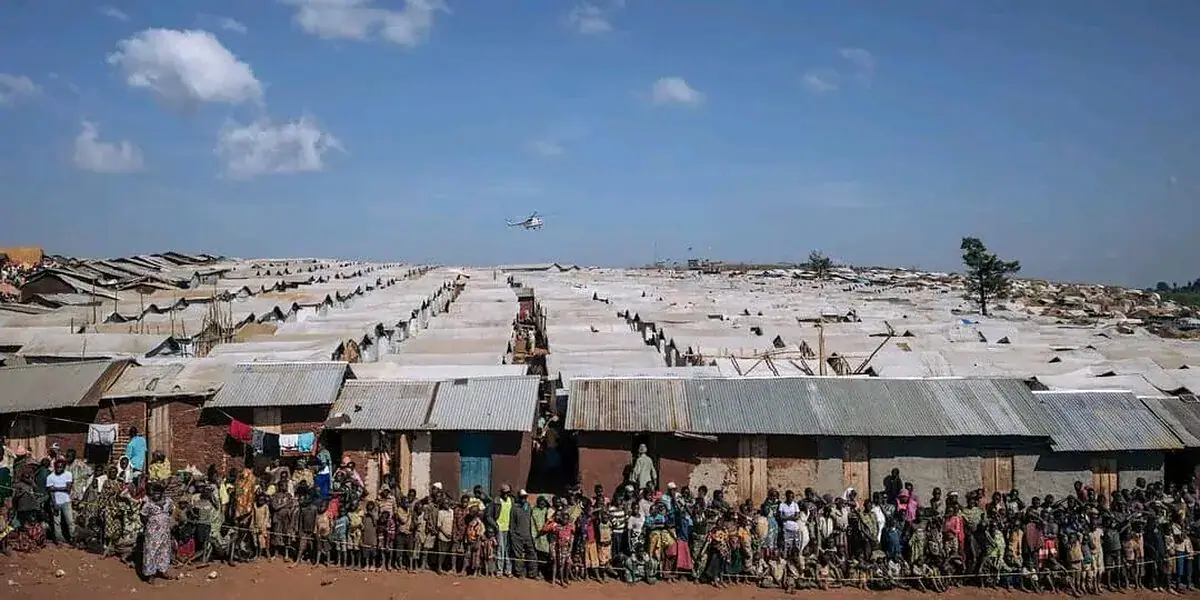
A recent surge in displacement has seen thousands of people flee their homes to seek refuge in Bunia, in the Ituri province of the Democratic Republic of the Congo. The exodus occurred over the weekend of November 22-23, following a deterioration in security in several localities of the Djugu territory. This new influx of displaced persons comes at a time when the Kigonze displacement site has been closed and the Institut Supérieur Pédagogique (ISP) site in Bunia is saturated.
The closure of the Kigonze site, which previously hosted nearly 19,000 displaced people, has led to the dispersal of its occupants into various neighborhoods and host communities. Meanwhile, the ISP site, which already accommodated around 13,000 people before this new wave of displacement, is facing significant pressure on its hosting capacity. As a result, many new arrivals are being reported in the Kasegwa, Mudzi-Pela, and Ndiba-kodu neighborhoods. Some families are finding shelter with host families, in schools, and churches, while others risk spending the night outdoors due to a lack of shelter.
The situation of former occupants of Kigonze remains a concern, with 1,125 displaced children, including 566 girls, out of school since the site's closure. At least 70 final-year primary school students are also at risk of missing the national primary school examination. This new displacement wave occurs when the Ituri province already counted over 1.09 million internally displaced persons at the beginning of September, according to the United Nations Office for the Coordination of Humanitarian Affairs (OCHA).
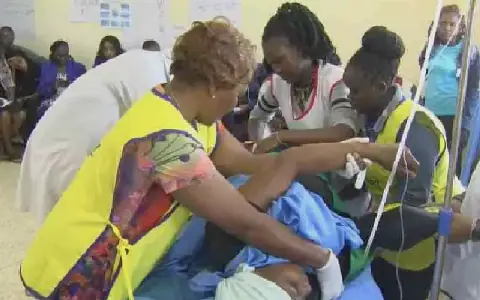
Beyond the lack of shelter and food, the situation raises health concerns, particularly due to the Ebola outbreak in the province. The overcrowding, difficulties in accessing clean water, and inadequate sanitation could further expose these vulnerable populations to health risks. Olivier Bavi Karba, the communication officer for the Association of Displaced Persons and Victims of Wars in Ituri (ADVG), has called on authorities and humanitarian organizations to take urgent measures to protect civilians and respond to the needs of new displaced persons.
The ADVG's call to action comes as the situation continues to deteriorate. The United Nations has temporarily restricted the movement of its personnel on the Iga-Barrière, Lopa, and Fataki axes due to the worsening security situation. On November 20, the MONUSCO mission facilitated the secure displacement of around 380 civilians who fled clashes near Fataki and Djaiba to the Savo plain site.
Several concerns remain unaddressed, including the availability of a replacement site for former Kigonze occupants, measures to decongest the ISP site, and urgent arrangements to host and assist new displaced families. The provision of education for children affected by these displacements also poses a significant challenge for provincial authorities and humanitarian partners.
As the displacement crisis deepens, the need for suitable hosting sites with access to clean water, sanitation facilities, and decent shelter becomes increasingly pressing in Bunia. The humanitarian needs continue to grow, and it remains to be seen how authorities and humanitarian organizations will respond to the situation.
Key points
- Over 1.09 million internally displaced persons in Ituri province
- Closure of Kigonze displacement site
- Saturation of ISP site in Bunia