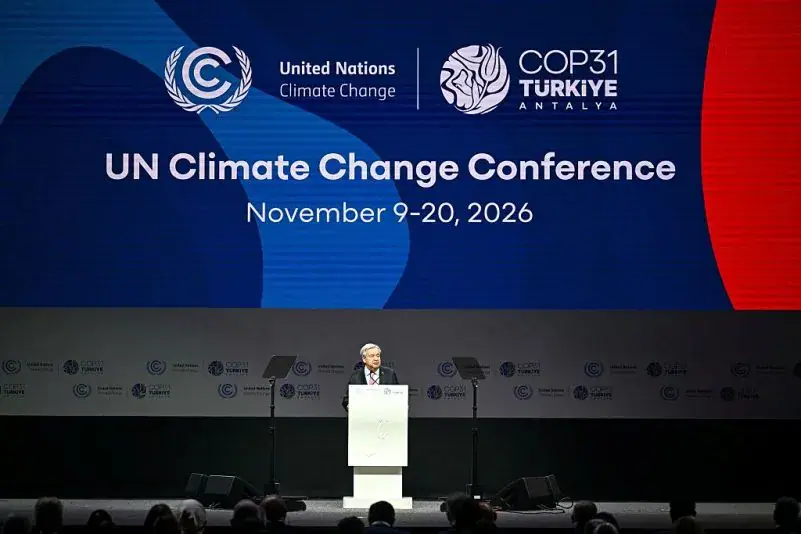
The 31st global climate summit, which took place in Antalya, Turkey, from November 20 to 22, 2026, ended without a consensus on a final agreement. The main point of contention was the issue of fossil fuels, with some countries opposing any mention of them in the final document, while others believed it was essential to include them given their significant role in international climate negotiations.
This disagreement is not unprecedented, as it recalls the failure of the COP15 summit in Copenhagen, Denmark, in 2009, where countries failed to set binding greenhouse gas emission targets for 2020. The Antalya summit's outcome is particularly concerning, as it marks a step back from the progress made at the COP28 in Dubai in 2023, which called for a transition towards a gradual phase-out of fossil fuels.
The failure to reach an agreement has raised concerns about the future of the Conference of the Parties (COP) on climate change, which brings together nearly 200 countries each year. The summit's outcome suggests that national interests, particularly those related to fossil fuels, continue to hinder progress in addressing climate change.
The effects of climate change are becoming increasingly evident, and the inability of countries to work together to address this issue is alarming. The COP process, which was established to facilitate international cooperation on climate change, appears to be struggling to deliver meaningful results.
Despite these challenges, the COP remains an essential platform for raising awareness about the dangers of climate change and promoting international cooperation. The determination of some countries to continue pushing for action on climate change may help create a new dynamic, particularly if it leads to reforms in the COP's functioning.
The outcome of the Antalya summit has also raised questions about the interest of countries in participating in these international climate talks. If the COP is to continue to be relevant, it must be seen as a forum for genuine international cooperation, rather than a platform for defending national interests.
According to Le Pays, the failure of the COP31 summit highlights the need for a more effective and efficient international climate governance framework. The fact that countries continue to prioritize their national interests over collective action on climate change is a significant concern that needs to be addressed.
Key points
- The 31st global climate summit in Antalya, Turkey, ended without an agreement due to disagreements over fossil fuels.
- The failure of the summit has raised concerns about the future of the Conference of the Parties (COP) on climate change.
- The COP process remains essential for promoting international cooperation on climate change, despite its limitations.