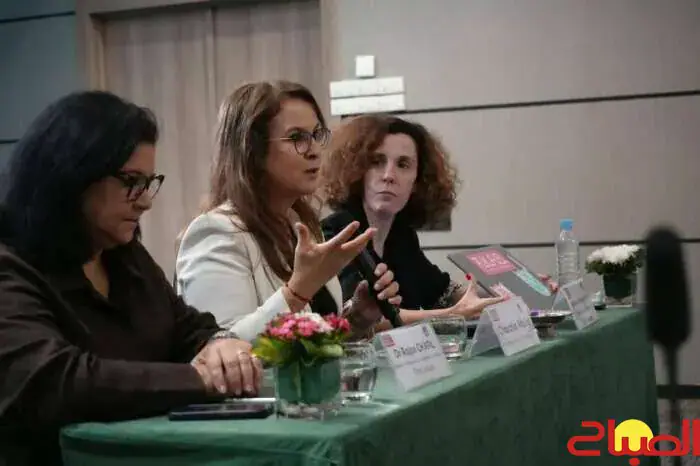
A three-day workshop held in Casablanca's Benslimane province concluded on Sunday, focusing on the effects of climate change, drought, and water scarcity on women's rights. The event, organized by the Forum for Equality and Parity in partnership with the German Friedrich Ebert Foundation, brought together local officials, civil society activists, and women's rights advocates. The workshop aimed to address the additional economic and social burdens climate change places on women and girls.
The workshop examined the impact of drought and water scarcity on women's agricultural cooperatives and the income of female farmers. Discussions also centered on the risks of rural migration, increased unpaid domestic work due to water scarcity, and the resulting school dropouts among girls. Participants explored ways to integrate a gender approach into climate governance, regional development programs, and local government initiatives.
The workshop's recommendations included activating the roles of advisory bodies in local councils, providing them with necessary resources to ensure the integration of social dimensions in environmental budget preparation and implementation. Prioritizing water supply projects in rural and remote areas was also emphasized to alleviate domestic burdens on women and girls.
Participants called for the establishment of an emergency support fund for women's agricultural cooperatives affected by climate change and consecutive drought years. They also advocated for alternatives to protect the income sources of female farmers, promote sustainable agriculture, and enhance social safety nets for rural women in areas most vulnerable to environmental risks.
This workshop was the eighth in a series of events under the "Balance: Climate Justice and Women's Rights in Morocco" project. The initiative aims to strengthen women's capacities in various regions, with future events planned to apply the knowledge and skills gained by participants.
The project's "Balance" component seeks to address the intersection of climate justice and women's rights in Morocco. By engaging women from different regions, the initiative fosters a deeper understanding of the challenges they face and potential solutions.
The workshop's outcomes and recommendations are expected to contribute to the ongoing discussion on climate justice and women's rights in Morocco. As the country continues to address the impacts of climate change, initiatives like this workshop play a crucial role in promoting sustainable development and social equality.
Key points
- The workshop emphasized the need for integrating a gender approach into climate governance and development programs to address the disproportionate impact of climate change on women.