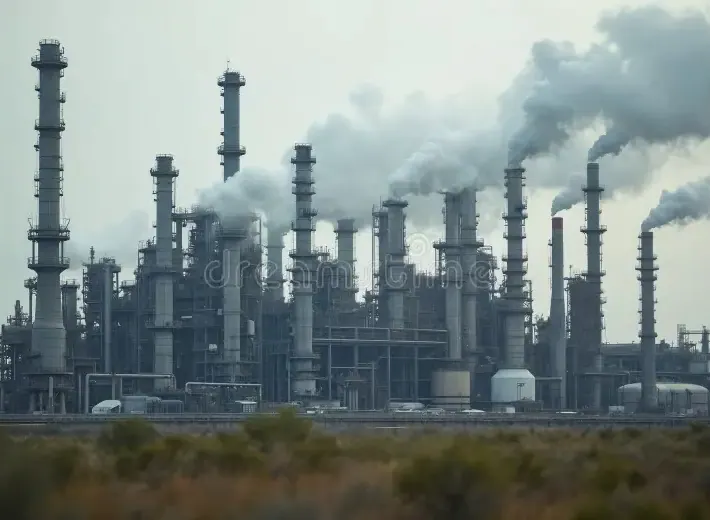
The global shift to cleaner energy is putting pressure on the oil and gas industry to explain how it will adapt its operations and long-term strategies. As investment in the sector slows, governments, financial institutions, and shareholders are pushing for stronger climate action and decarbonisation. In response, there is a growing case for introducing a climate compatibility checkpoint into Nigeria's Petroleum Industry Act (PIA) to ensure that future licences granted for exploration, drilling, or production align with the country's climate goals.
The proposed checkpoint would act as a gatekeeper, only approving licences if the proposed activities align with Nigeria's climate objectives. This concept is based on climate-compatible development, which aims to reduce climate change risks while supporting economic growth and development. Countries like the UK have implemented similar checkpoints to determine whether new oil and gas fields can proceed without undermining national emissions targets.
For Nigeria, this means setting clear conditions for oil and gas companies, requiring them to show how they plan to reduce emissions not just from their own operations but across their entire value chains. Companies must demonstrate that they are investing in cleaner technologies, electrifying processes, reducing methane leaks, or supporting carbon capture initiatives. This approach would ensure that oil and gas companies are held to high environmental standards.
A key opportunity for Nigeria lies in accelerating the adoption of Compressed Natural Gas (CNG) as a cleaner and more affordable alternative to petrol and diesel. Expanding CNG infrastructure would reduce operational costs for end-users and significantly cut carbon emissions and improve air quality in urban areas. Incorporating CNG usage into the climate checkpoint criteria would incentivize oil and gas companies to diversify their offerings and invest in cleaner fuels.
The introduction of a climate compatibility checkpoint would be a significant step towards achieving Nigeria's climate goals. The country aims to cut greenhouse gas emissions by 50% by 2050 and reach net-zero by 2060. By making climate compatibility a non-negotiable standard for operating in the oil and gas space, Nigeria can ensure that its energy sector contributes to a sustainable future.
The use of CNG as a cleaner fuel is a practical step towards achieving Nigeria's climate objectives. As an available and scalable option, CNG represents a key opportunity for reducing emissions and improving air quality. By incentivizing oil and gas companies to invest in CNG infrastructure, Nigeria can accelerate its transition to a low-carbon economy.
Experts believe that incorporating climate compatibility into the licensing process is essential for Nigeria's sustainable development. By adopting this approach, the country can balance its economic growth with environmental protection and ensure that its energy sector is aligned with global climate goals. This move would also position Nigeria as a leader in climate action and sustainable development in Africa.
Key points
- Nigeria urged to introduce climate compatibility checkpoint for oil and gas licensing
- Climate compatibility checkpoint would ensure licences align with Nigeria's climate goals
- Adoption of Compressed Natural Gas (CNG) could significantly cut carbon emissions