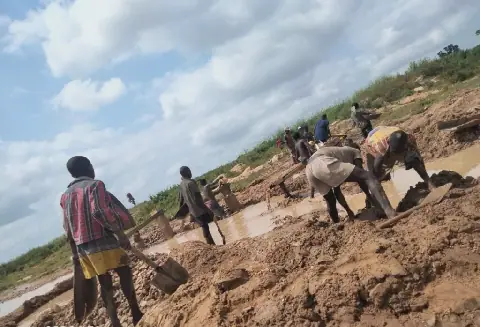
Climate change is exacerbating existing social and economic challenges faced by rural women in Rwanda, with many reporting increased vulnerability to gender-based violence. Women, who often bear the brunt of caring for families and managing households, are disproportionately affected by climate-related stressors such as droughts and floods. This has led to a surge in cases of gender-based violence, with women being coerced into transactional sex to secure basic necessities like food and water.
In the Nyaruguru district, residents have reported an increase in cases of women being forced into transactional sex due to climate-related shocks. A local resident, who wished to remain anonymous, shared a harrowing experience of being coerced into a relationship in exchange for food for her children. Such cases are becoming increasingly common, with women being left with little choice but to compromise their safety and well-being to provide for their families.
The situation is further complicated by the existing social and economic inequalities faced by women in rural Rwanda. Women often have limited access to education, economic opportunities, and social services, making them more vulnerable to exploitation. Climate change has only exacerbated these existing challenges, pushing women further into poverty and vulnerability. According to local leaders, the situation requires urgent attention and action to address the root causes of this problem.
According to Jacques Ngarukiye Sekanyange, the leader of the Ejo Twifuza organization, climate change plays a significant role in human trafficking, with 80% of victims being women. Sekanyange emphasized that climate-related stressors, such as floods and droughts, lead to displacement, loss of livelihoods, and increased vulnerability to exploitation. He called for urgent action to address the issue, including the implementation of policies and programs that prioritize the needs and rights of women and girls.
To address the issue, Sekanyange recommended that the government and other stakeholders work together to develop and implement effective policies and programs. This includes providing support to women and girls, enhancing their economic opportunities, and promoting their rights and dignity. Additionally, there is a need for increased awareness and education on the impacts of climate change and the importance of protecting women's rights.
The Rwandan government has taken steps to address the issue, including signing an agreement with the European Union to provide 40 million euros in funding to support climate-resilient agriculture and sustainable land management. The funding aims to enhance the resilience of rural communities to climate change and promote sustainable livelihoods. However, more needs to be done to address the root causes of gender-based violence and to support women and girls in their efforts to adapt to climate change.
A recent report by ACORD Rwanda highlighted the need for a comprehensive approach to addressing the impacts of climate change on women and girls. The report emphasized that women must be at the forefront of efforts to develop and implement solutions to climate change, and that their rights and needs must be prioritized. By working together, it is possible to reduce the vulnerability of women and girls to climate change and to promote a more equitable and sustainable future for all.