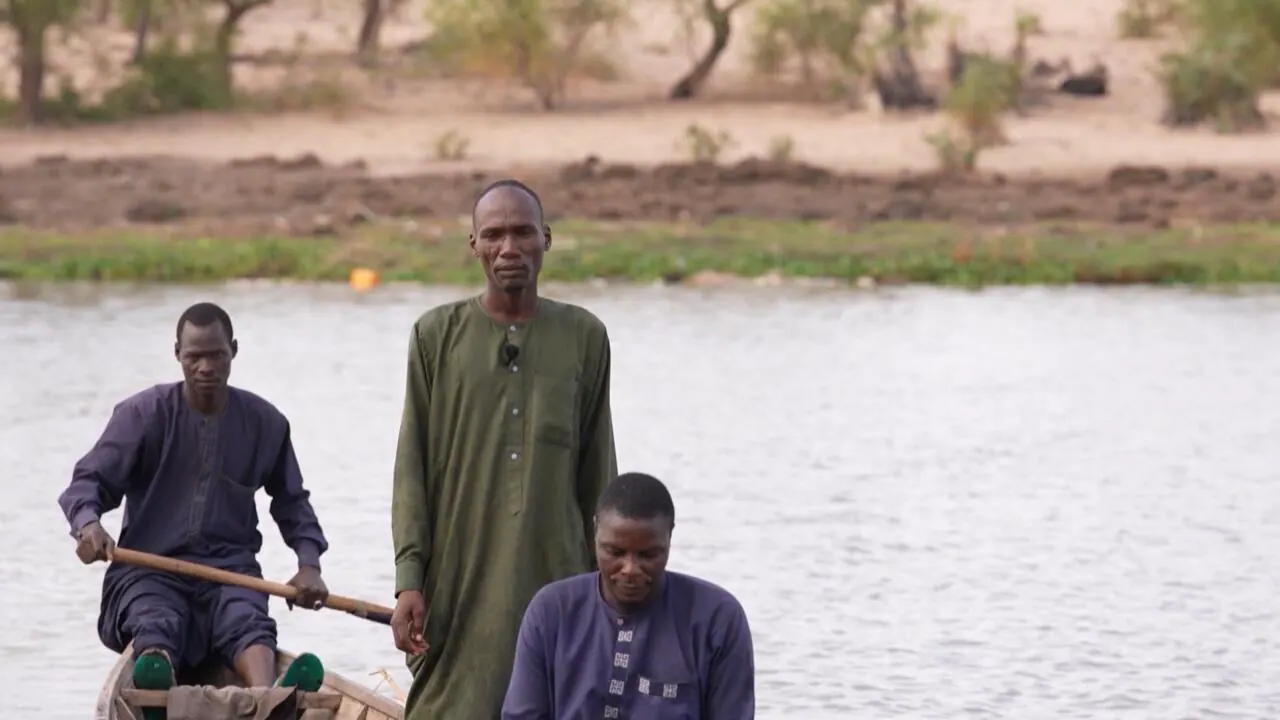
People living in Chad's Lake Province are facing significant challenges due to climate change. The region has historically relied on Lake Chad for fishing and farming, which are now being disrupted by erratic weather patterns. Fish stocks are dwindling, farmland is being damaged, and the cost of living is rising. This crisis is unfolding in one of Central Africa's most productive regions, which has already been threatened by Boko Haram jihadists.
Climate change is having a profound impact on Lake Chad, with changing weather patterns affecting the lake's ecosystem. The lake's water levels have been fluctuating, and its surface area has decreased significantly over the years. This has led to a decline in fish stocks, making it difficult for local communities to sustain themselves through fishing. The situation is being exacerbated by overfishing, which is depleting the lake's fish populations at an alarming rate.
The effects of climate change and overfishing are being felt by local communities, who are struggling to adapt to the changing circumstances. Fishing, which is a crucial source of livelihood for many people in the region, is becoming increasingly difficult. The decline in fish stocks is also affecting the local economy, with many people relying on fishing and related industries for their income.
The crisis in Lake Chad is being compounded by the threat posed by Boko Haram jihadists. The region has been facing insecurity for years, and the situation is now being exacerbated by climate change and overfishing. The local authorities are working to address these challenges, but it is a complex and difficult situation. The international community is also providing support to help mitigate the effects of climate change and overfishing in the region.
The situation in Lake Chad highlights the need for urgent action to address climate change and its impacts on vulnerable communities. The region's resilience is being tested, and it is essential that support is provided to help local communities adapt to the changing circumstances. This includes investing in climate-resilient agriculture and fishing practices, as well as providing support to help communities diversify their livelihoods.
France 24 Africa correspondent Harold Girard has been reporting on the situation in Lake Chad, highlighting the human impact of climate change and overfishing. His reporting has shed light on the challenges faced by local communities and the need for urgent action to address these issues. The situation in Lake Chad is a stark reminder of the need for global cooperation to address the challenges posed by climate change.
The crisis in Lake Chad is a complex and multifaceted issue that requires a comprehensive response. It is essential that governments, international organizations, and local communities work together to address the challenges posed by climate change and overfishing. This includes investing in climate-resilient infrastructure, supporting climate-resilient agriculture and fishing practices, and providing support to help communities diversify their livelihoods.
Key points
- Climate change and overfishing are threatening the livelihoods of people living in Chad's Lake Province.
- The region's resilience is being tested, and it is essential that support is provided to help local communities adapt to the changing circumstances.
- The situation in Lake Chad highlights the need for urgent action to address climate change and its impacts on vulnerable communities.