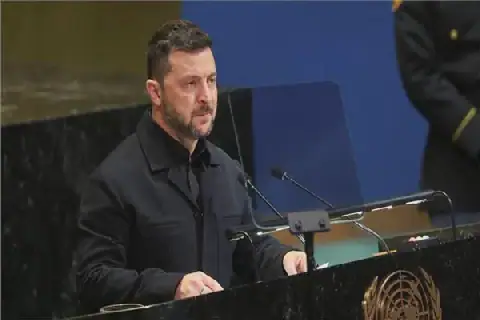
The United Nations has highlighted the need for clean cooking to become a central part of Africa's energy transition. With nearly one billion Africans still relying on wood, charcoal, and other traditional fuels, leaders at the UN General Assembly have emphasized the importance of addressing this issue. The use of traditional fuels contributes to indoor air pollution, posing significant health risks to households.
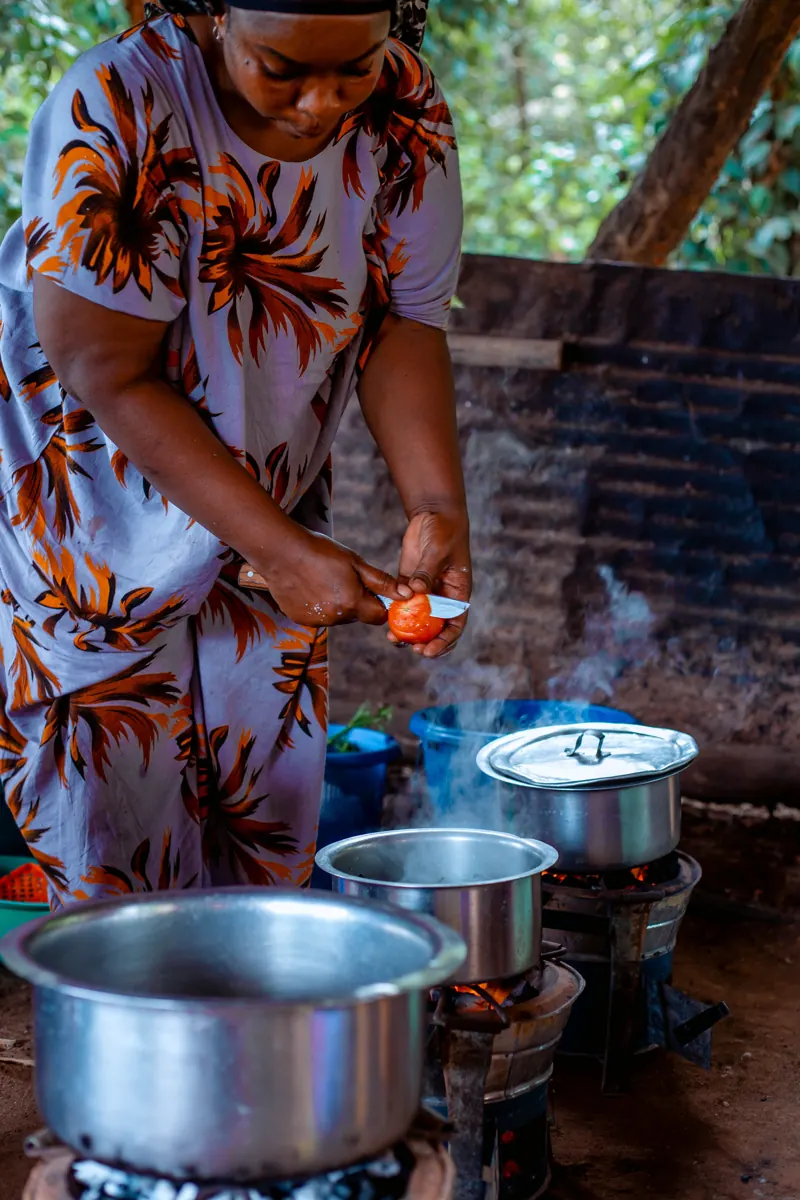
According to recent data, almost one billion people across Africa lack access to clean cooking, resulting in a heavy dependence on wood, charcoal, and other traditional fuels. This has significant implications for the environment and public health. The African continent is home to a vast array of energy resources, but the lack of access to clean cooking facilities remains a pressing concern.
The reliance on traditional fuels has severe consequences for households, particularly women and children, who spend a significant amount of time collecting firewood and cooking. This not only limits their access to education and economic opportunities but also exposes them to health risks. The use of clean cooking technologies, such as electric and gas stoves, can significantly reduce the health risks associated with indoor air pollution.
The push for clean cooking initiatives is gaining momentum, with various stakeholders calling for increased investment in the sector. Governments, international organizations, and private sector companies are exploring innovative solutions to address the issue. This includes the development of new technologies, financing models, and policy frameworks to support the adoption of clean cooking technologies.
Namibia, like many other African countries, is facing significant challenges in providing access to clean cooking for its citizens. The country's energy sector is largely dependent on imported fuels, which can be expensive and unreliable. However, there are opportunities for Namibia to develop its own clean cooking initiatives, leveraging its abundant renewable energy resources.
The benefits of clean cooking initiatives extend beyond health and environmental benefits. They also have the potential to create new economic opportunities, particularly for women and youth. By investing in clean cooking technologies, governments and private sector companies can create new jobs and stimulate local economies.
As the African continent continues to urbanize and develop, the need for clean cooking initiatives will become increasingly pressing. The UN's call for clean cooking to be a central part of Africa's energy transition is a timely reminder of the need for urgent action. By working together, governments, international organizations, and private sector companies can ensure that clean cooking becomes a reality for millions of Africans.
Key points
- Almost one billion Africans still lack access to clean cooking, relying on wood, charcoal, and other traditional fuels that contribute to indoor air pollution.
- The use of clean cooking technologies can significantly reduce health risks associated with indoor air pollution and create new economic opportunities.
- The push for clean cooking initiatives is gaining momentum, with various stakeholders calling for increased investment in the sector.