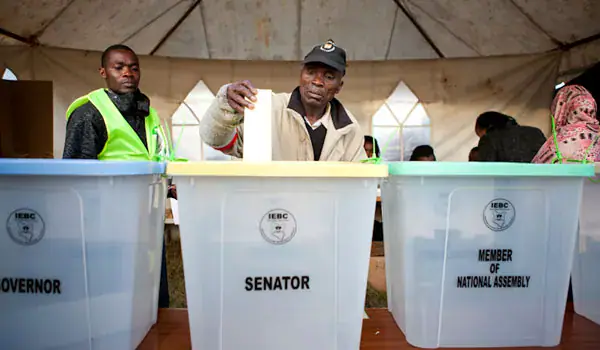
As Kenya prepares for the upcoming election year, civil society organisations are raising concerns that the vetting and qualification process for political candidates is being weakened. This, they argue, could allow individuals with questionable integrity to contest for office. Governance advocates have expressed worry that institutions tasked with enforcing leadership standards are misinterpreting constitutional safeguards. This misinterpretation, they claim, permits candidates under criminal investigation or with appealed convictions to stand for office.
Transparency International Kenya and local watchdogs are urging the full application of Chapter Six of the Constitution, which sets a higher moral and ethical threshold for public officers. This threshold goes beyond the mere absence of criminal convictions. Sheila Masinde of Transparency International Kenya emphasised that the law clearly defines suitability for public office. Individuals accused of crimes, including corruption, should not be allowed to run until they are cleared, she insisted.
Masinde criticised vetting agencies for prioritising a strict criminal standard over the broader moral criteria. She likened a candidate with pending cases to a stained cloth that should not be worn until the stain is removed. Allowing such candidates to assume office could entrench systemic graft and erode public confidence ahead of the general election. Masinde's sentiments echo those of other governance advocates who are pushing for a more stringent vetting process.
At the county level, Joash Odira, coordinator of the Siaya Social Accountability Network, stressed the need for County Assemblies to use civil-society data to hold executives accountable. He urged them to move beyond merely having legislation on the books. Odira explained that CSOs gather community evidence on stalled projects, unbudgeted spending, and conflicts of interest. He encouraged MCAs to translate these findings into legislative reforms that promote accountability.
Both advocates argued that Kenya's anti-corruption strategy relies too heavily on post-factum prosecutions and asset recovery. These processes are often lengthy and allow perpetrators to exploit legal loopholes. Masinde called for full enforcement of preventive measures such as whistle-blower protection, public access to information, and strict conflict-of-interest rules. Odira, on the other hand, urged the creation of accountability registers to track implementation of audit recommendations.
The push for strict enforcement of integrity laws comes as the campaign season approaches. Civil society leaders warned that failure to enforce these laws during candidate nomination could condemn both counties and the national government to another cycle of financial loss and stalled service delivery. This, they argue, would undermine the country's development agenda and erode public trust in government.
With the elections looming, it remains to be seen whether the authorities will take heed of the civil society's concerns. The implementation of Chapter Six and the vetting process for candidates will be crucial in determining the integrity of the electoral process. The outcome will have far-reaching implications for Kenya's governance and its fight against corruption.
Key points
- Civil society groups are pushing for strict enforcement of Chapter Six to bar candidates with integrity issues from contesting elections.
- The groups argue that Kenya's anti-corruption strategy relies too heavily on post-factum prosecutions and asset recovery.
- Failure to enforce integrity laws during candidate nomination could lead to another cycle of financial loss and stalled service delivery.