The City of Cape Town and its conservation partners have publicly released the permits and detailed management plan governing the relocation of the Waterfall and Seaforth baboon troops to Kogelfontein. The documents, published on the Cape Baboon Partnership website, outline strict conditions for the capture, lifelong confinement, breeding prevention, and eventual care of the baboons.
The Cape Peninsula Baboon Management Joint Task Team (JTT) has encouraged the public to examine the documents, which detail the legal conditions and operational arrangements surrounding the relocation. According to the CapeNature permits, the capture of baboons may involve cage trapping and chemical immobilisation under veterinary supervision.
The permits require that a registered wildlife veterinarian oversee capture, handling, and transportation, with authority to halt operations where unacceptable animal welfare risks arise. Mothers and dependent infants must remain together wherever possible, while established troop relationships must be protected during relocation.
The management plan sets out lifelong captivity for the baboons, with no additional baboons introduced and breeding prohibited. Female baboons of reproductive age will receive contraceptive implants, while male vasectomies remain an option should further population control become necessary. The plan confirms that 44 Waterfall baboons and 16 Seaforth baboons will be accommodated in separate enclosures at Kogelfontein.
The enclosures will be secured by three-metre-high fencing electrified on both sides, with daily inspections, security monitoring, and measures to prevent escapes. Each enclosure will contain drinking troughs, interconnected ponds, elevated sleeping structures, climbing equipment, and natural vegetation. The baboons will receive high-protein pellets, vegetables, limited fruit, and scattered food intended to encourage natural foraging.
The JTT maintains that the 44 Waterfall baboons relocated on November 13 and 14 are settling well into their new surroundings, displaying natural behaviour including playing, foraging, and using the water ponds and sleeping structures. However, the JTT has also raised concerns about alleged intimidation of employees involved in the relocation, including threats, physical attacks, and harassment.
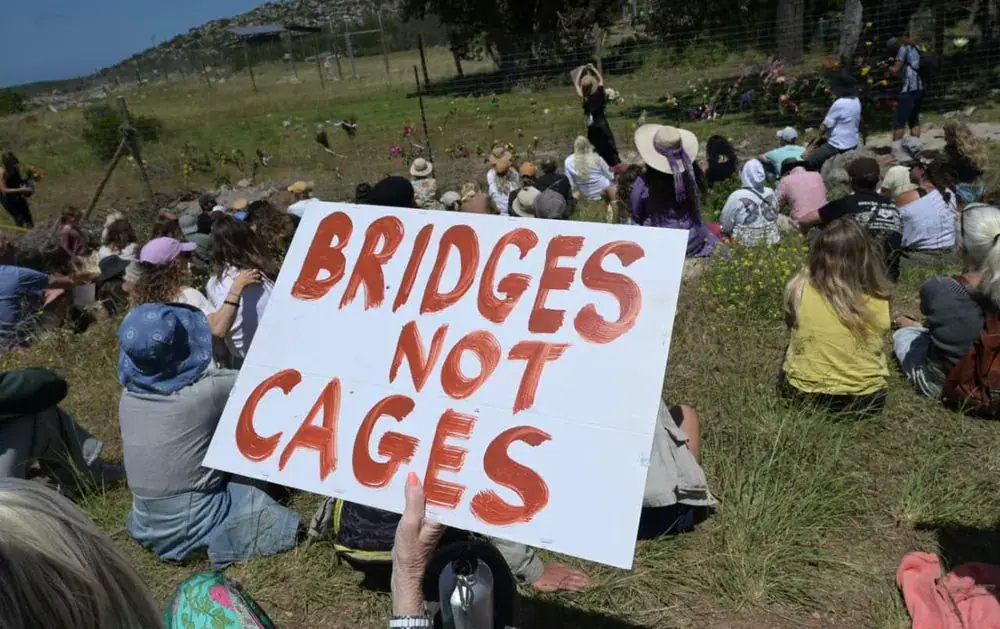
The Cape of Good Hope SPCA has formally placed authorities on legal notice over future relocations, questioning the permanent confinement of healthy baboons. Meanwhile, a remaining female baboon of the Waterfall troop was captured and reunited with the rest of the troop after undergoing a screening and full health assessment by a wildlife veterinarian.
Key points
- The City of Cape Town has released a detailed management plan for the relocation of the Waterfall and Seaforth baboon troops to Kogelfontein.
- The plan outlines strict conditions for the capture, lifelong confinement, breeding prevention, and eventual care of the baboons.
- The JTT maintains that the relocation is necessary to reduce human-baboon conflict and protect animal welfare and public safety.