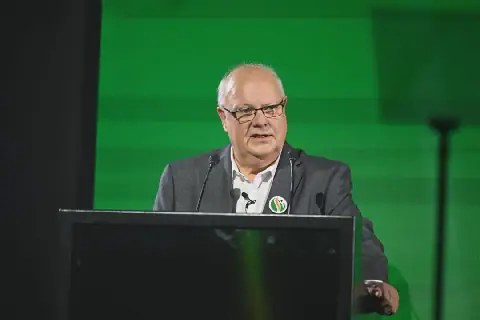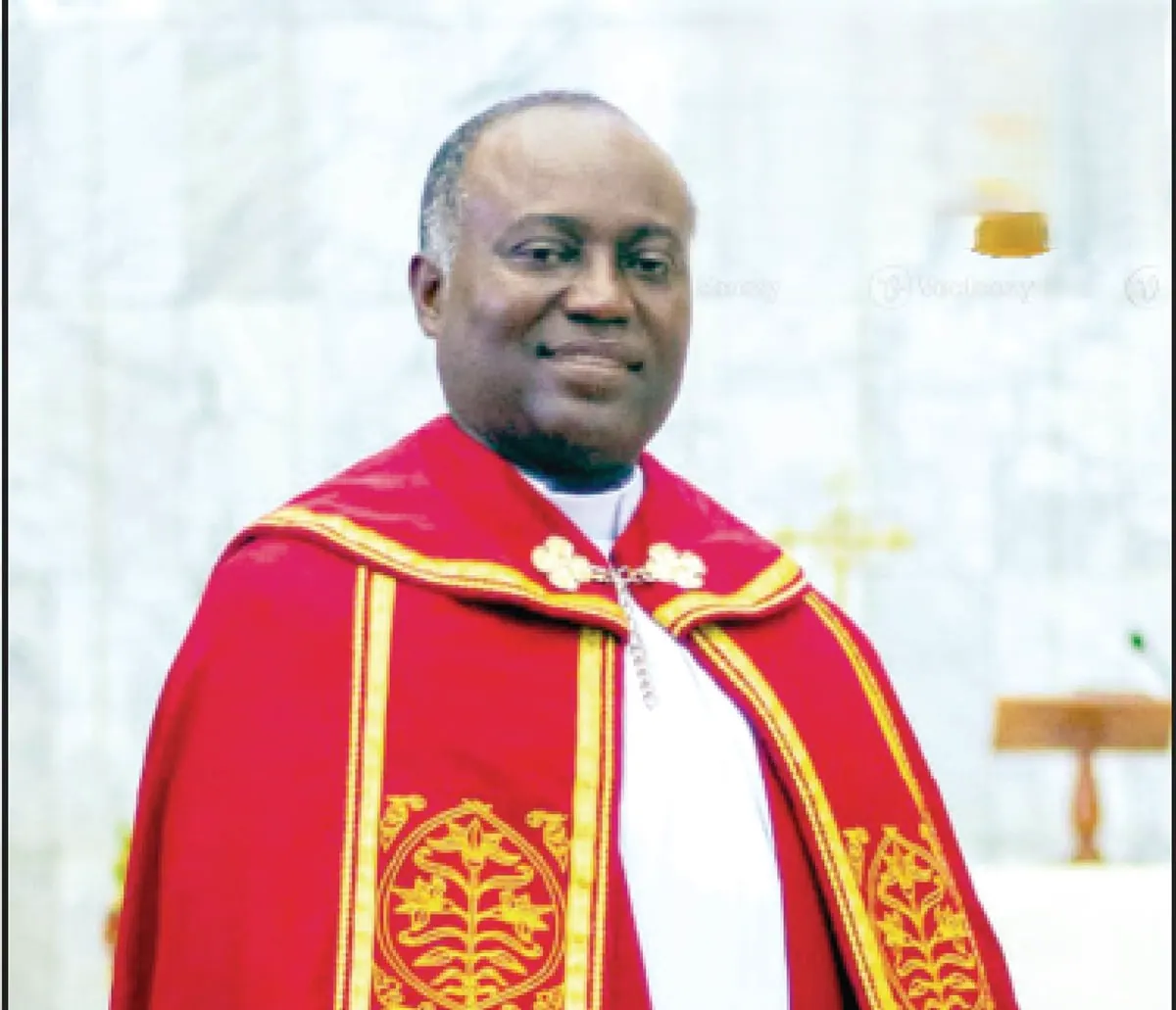
Very Rev Faleye, born on October 11, 1966, marked his 60th birthday, an occasion he attributes to God's grace. He had a humble beginning, receiving elementary education in Lagos and later attending Iseyin District Grammar School from 1978 to 1983. Faleye studied Library Studies at the University of Ibadan and eventually became a priest, joining the Ibadan ministry in 2002. He expresses gratitude to God for bringing him this far.
Initially, Faleye did not envision a career in the ministry, instead securing employment with the government at the National Archives. However, after completing an evangelism course, he began engaging in freelance evangelism, traveling across the old Ibadan Diocese. Encouraged by ministers, he eventually joined the ordained ministry, despite initial reservations about the regimented nature of Anglican priests. Faleye's perception changed when God made it clear that he needed to join the ministry to be more effective.
Reflecting on his 24 years in the ordained ministry, Faleye describes his journey as guided by God's faithfulness. He has remained committed to his calling, focusing on complementing rather than competing with others. Faleye's aspiration is to remain faithful to God until the end of his life. He emphasizes the importance of staying in the lane assigned by God and has experienced faithfulness throughout his ministry.
Faleye believes the church has a crucial role in making Nigeria a better country. He stresses that the church must not renege in speaking the truth to the nation, even if it means criticizing those in authority. Faleye cautions against pastors becoming too partisan, which can compromise their ability to speak plainly. He advocates for maintaining a neutral relationship with those in power to ensure the church can fulfill its responsibilities.
The church must prioritize the welfare of Nigerians and the nation's future over personal interests. Faleye argues that economic progress should benefit the entire citizenry, not just a small group. He emphasizes the importance of truth, fairness, and the common good. The church should not be swayed by personal benefits or political affiliations, but instead focus on promoting the nation's well-being.
Faleye's message to church leaders and Nigerians is one of faithfulness and commitment to responsibilities entrusted by God. He urges the church to maintain its spiritual integrity, pray for those in authority, and speak the truth without fear or favor. By doing so, the church can ensure that its concerns go beyond material gain and focus on promoting the nation's welfare.
Ultimately, Faleye's experience and reflections serve as a reminder of the church's vital role in promoting Nigeria's betterment. As a spiritual leader, he has demonstrated his commitment to speaking the truth and prioritizing the nation's welfare. His message serves as a call to action for church leaders and Nigerians to work towards a more just and equitable society.
Key points
- The church must speak truth to power to ensure Nigeria's betterment.
- Pastors should maintain a neutral relationship with those in power.
- The church's priority should be the welfare of Nigerians and the nation's future.