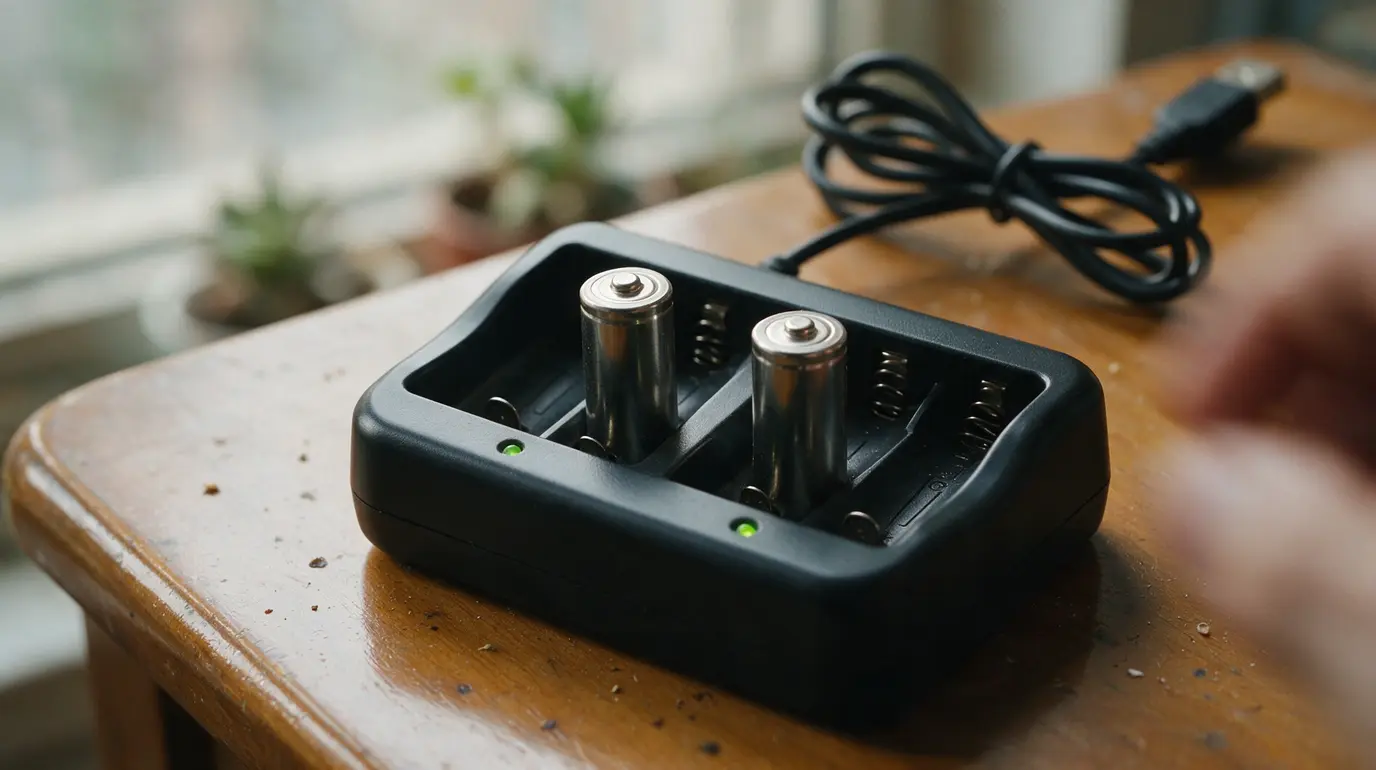
As concerns about waste and budget management grow, many Algerians are turning to rechargeable batteries and chargers as a reliable and sustainable alternative to disposable batteries. With various types of rechargeable batteries available, including Nickel-Metal Hydride (NiMH), Lithium-Ion (Li-ion), and Nickel-Cadmium (NiCd), consumers must understand their differences, performance, and lifespan to make informed choices. According to experts, selecting the right rechargeable battery and charger can significantly reduce waste and optimize energy usage.
Rechargeable batteries come in different technologies, each with specific performance characteristics. NiMH batteries are widely used for their good capacity and low environmental impact, making them suitable for remote controls, toys, and photo equipment. Li-ion batteries, on the other hand, offer high energy density and are used in power-hungry devices such as professional cameras and certain tools. Although NiCd batteries can handle intensive cycles, they contain toxic metals and are less common today.
A rechargeable battery charger works by supplying a controlled current to restore the battery's energy level. Modern chargers often feature smart management, which automatically cuts off the charge when the maximum capacity is reached, ensuring safety and longevity. Some chargers also allow individual charging per slot, optimizing each battery's performance. Understanding how rechargeable batteries and chargers work helps Algerians choose equipment that meets their needs and optimizes lifespan.
Rechargeable batteries offer a sustainable and economical solution, but they also have limitations. The main advantages include significantly reducing waste, better performance in high-consumption devices, and lower long-term costs. However, these batteries require minimal maintenance, including regular charge cycles, and their efficiency may decrease in very low-consumption devices. Additionally, the initial purchase price is higher than that of disposable batteries, which may deter some users.
When selecting a charger, several technical criteria influence safety, charging speed, and equipment lifespan. Compatibility with the type of battery used, whether NiMH or Li-ion, is crucial. A versatile charger automatically detects the battery type and adjusts the current accordingly. The charging speed also varies depending on the intensity provided, with fast charging being convenient but potentially detrimental to battery life.
A good charger must integrate protections against overheating, overvoltage, and polarity reversal. These safety features ensure reliable operation and prolong battery life. Additional features like automatic shutdown, individual charging per slot, or charge status display enhance user experience and provide closer monitoring, especially for devices that are power-hungry or sensitive.
To maximize the lifespan of rechargeable batteries and chargers, Algerians can adopt simple practices. Regular maintenance and careful charge management are essential. It is recommended to recharge batteries before they are completely discharged, as deep discharges reduce capacity over time. Proper storage in a dry, stable-temperature environment, away from heat sources, also plays a significant role in maintaining battery performance.
Key points
- Understanding the different types of rechargeable batteries and their usage is crucial for making informed choices.
- Selecting a charger with safety features and smart management can prolong battery lifespan.
- Regular maintenance and proper charge management can optimize the performance and longevity of rechargeable batteries.