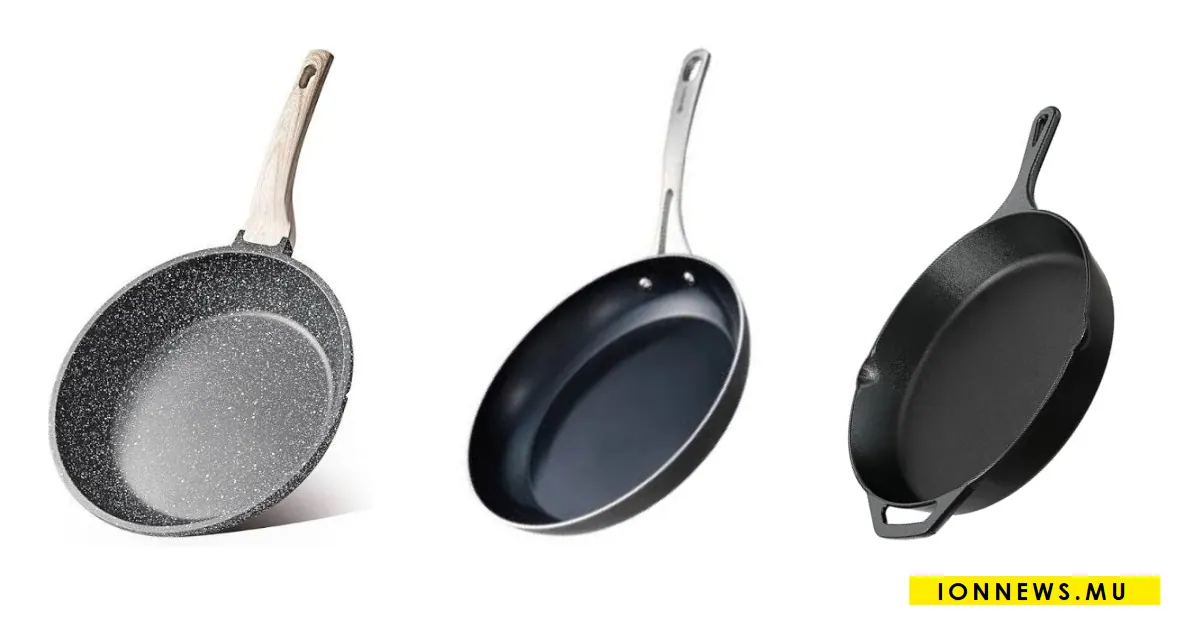
When it comes to equipping a kitchen, the numerous options available can be overwhelming. In Mauritius, home cooks have a variety of cookware to choose from, including non-stick, granite, and metal. Each type has its advantages and disadvantages, making it essential to understand their characteristics to make informed decisions. Non-stick cookware is a popular and affordable option, ideal for cooking delicate foods like eggs, dhal puri, and small sautés.
Non-stick cookware offers an immediate advantage: food does not stick to it, allowing for easy cooking with minimal oil and cleaning. However, its durability is limited, as it cannot withstand high heat, metal utensils, or frequent use. Typically, non-stick cookware needs to be replaced after one or two years of regular use. This limitation has led many home cooks to seek alternative options that offer more durability and practicality.
Granite cookware has become a popular choice in Mauritian kitchens, offering a durable and practical solution. It features a non-stick coating reinforced with mineral particles, giving it a stone-like appearance. Granite cookware provides an excellent balance between the ease of use of non-stick cookware and the durability of metal cookware. It is resistant to scratches, heat, and wear, making it an ideal investment for those seeking a long-lasting cooking solution.
Metal cookware, made from stainless steel or cast iron, offers unparalleled durability. Without a non-stick coating, metal cookware is resistant to scratches, extreme temperatures, and acidic foods. It is the perfect choice for cooking methods that require high heat, such as searing meat or cooking rich, flavorful curries. Although metal cookware may require a bit more oil to prevent delicate foods from sticking, it is a healthy, robust, and economical option in the long run.
The choice of cookware ultimately depends on individual cooking habits and preferences. For quick breakfasts or delicate foods, granite cookware is a suitable replacement for non-stick cookware. Metal cookware, on the other hand, remains the top choice for cooking traditional Mauritian dishes that require long cooking times or high heat. By understanding the characteristics of each type of cookware, home cooks can make informed decisions and choose the right tools for their kitchen.
In Mauritius, traditional dishes like cari, dhal puri, and rougaille require specific cooking techniques and cookware. Non-stick cookware is well-suited for cooking dhal puri and other delicate foods, while metal cookware is ideal for cooking rich, flavorful curries. Granite cookware offers a versatile solution for a variety of cooking tasks, making it a popular choice among home cooks.
By selecting the right cookware, home cooks in Mauritius can prepare traditional dishes with ease and confidence. Whether it's non-stick, granite, or metal, understanding the advantages and disadvantages of each type of cookware can help make cooking a more enjoyable and rewarding experience. With the right tools, home cooks can explore a variety of recipes and techniques, creating delicious meals for themselves and their families.
Key points
- Granite cookware offers a durable and practical solution for home cooks, providing a balance between the ease of use of non-stick cookware and the durability of metal cookware.