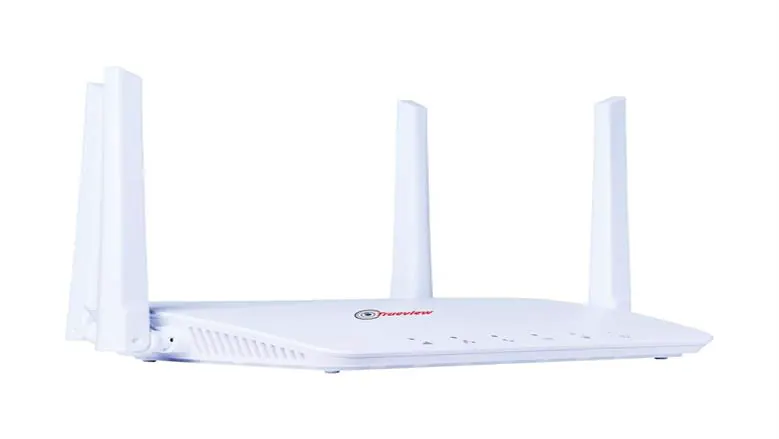
The choice between a 4G and 5G router can be crucial for online gamers and remote workers who require stable and fast internet connections. According to a report by efones, a British technology website, 5G routers tend to outperform 4G routers in terms of latency and speed, making them more suitable for demanding online activities. For gamers, a lower latency or "ping" is essential for a responsive gaming experience, especially in competitive games that require quick reflexes.
In online gaming, latency plays a critical role in determining the responsiveness of the game to a player's commands. A lower latency results in a more responsive connection, which is particularly important for fast-paced and competitive games. 5G networks, under good coverage conditions, typically offer lower latency compared to 4G connections, reducing lag during gameplay. Additionally, higher speeds enable faster downloads of large game files and updates, which can be a significant advantage for gamers.
For remote workers, a 5G router can also provide a more reliable and efficient connection, especially when engaging in video conferencing, transferring large files, or connecting to work servers via VPN. Video conferencing platforms such as Zoom, Microsoft Teams, and Google Meet require a stable connection to ensure smooth communication. Furthermore, workers who upload large video files or databases to the cloud can benefit from the higher speeds offered by 5G networks.
However, the performance of a 5G router depends on various factors, including signal strength, network congestion, and the router's location. In areas with poor 5G coverage, a 4G router may provide a more stable and reliable connection. Moreover, for light internet usage such as browsing, emailing, and word processing, a 4G router may be sufficient and more cost-effective.
When deciding between a 4G and 5G router, users should consider their specific needs and internet usage patterns. If they engage in online gaming, frequent video conferencing, or large file transfers, a 5G router may be the better choice, provided that the coverage is good. On the other hand, for casual internet users who do not require high-speed connections, a 4G router may be adequate.
In Egypt, as in other countries, the availability and quality of 4G and 5G networks vary depending on the service provider and location. Users should check with their internet service providers to determine the coverage and speeds available in their area before making a decision. By choosing the right router for their needs, users can ensure a stable and efficient internet connection that supports their online activities.
Ultimately, the decision between a 4G and 5G router comes down to individual needs and circumstances. While 5G routers offer several advantages, including lower latency and higher speeds, they may not be necessary for all users. By understanding the benefits and limitations of each option, users can make an informed decision that meets their specific requirements and budget.
Key points
- 5G routers offer lower latency and higher speeds, making them more suitable for online gaming and remote work.
- The performance of a 5G router depends on various factors, including signal strength, network congestion, and the router's location.
- Users should consider their specific needs and internet usage patterns when deciding between a 4G and 5G router.