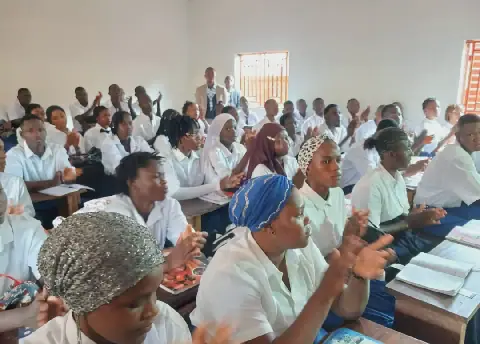
In a classroom in Djibouti, a teacher asks students about their future aspirations, sparking a journey of self-discovery and exploration. As students progress through their education, their interests and talents begin to emerge, influenced by various factors such as personal experiences, family, and teachers. The high school stage is critical in shaping students' futures, as it is the last phase where they rely heavily on their teachers before transitioning to university life.
Upon completing high school, students in Djibouti face a multitude of choices when selecting a university major. This decision is not made in isolation, as it is often influenced by family members, friends, or societal expectations. According to experts, students can be broadly categorized into four groups: those who are passionate about their chosen field, those who are uncertain and rely on others, those who follow their peers, and those who prioritize ease over personal interest.
Students with a clear passion for their chosen field tend to excel and make the most of their university experience. These individuals have often discovered their interests early on and have taken steps to develop their skills and knowledge. In contrast, students who are uncertain or influenced by others may struggle to find their footing, potentially leading to dissatisfaction and underperformance.
The consequences of choosing the wrong major can be far-reaching, affecting not only the individual's academic and professional life but also their personal well-being. It is essential for students to take ownership of their decisions and seek guidance from teachers, parents, and mentors. By doing so, they can make informed choices that align with their strengths, interests, and career goals.
In Djibouti, the responsibility of guiding students in their academic and professional journeys extends beyond the individual. Parents, teachers, and the broader community all play a role in supporting students as they navigate this critical phase. By providing resources, guidance, and encouragement, these stakeholders can help students make informed decisions that will shape their futures.
The article "مفترق الطرق" (Crossroads) from Al Qarn highlights the importance of this decision and the need for students to be aware of the implications of their choices. As the authors, حسن علي وابري, note, the goal is not merely to graduate a large number of students but to equip them with the skills, knowledge, and passion to make a positive impact in their communities and society at large.
Ultimately, choosing a university major is a critical juncture in a student's life, one that requires careful consideration and exploration. By acknowledging the complexities of this decision and providing support and guidance, stakeholders in Djibouti can empower students to make informed choices that will set them on a path towards success and fulfillment.
Key points
- Students in Djibouti face a crucial decision when selecting a university major, with various factors influencing their choices.
- The decision can have far-reaching consequences, affecting not only academic and professional life but also personal well-being.
- Stakeholders, including parents, teachers, and the broader community, play a vital role in supporting students as they navigate this critical phase.