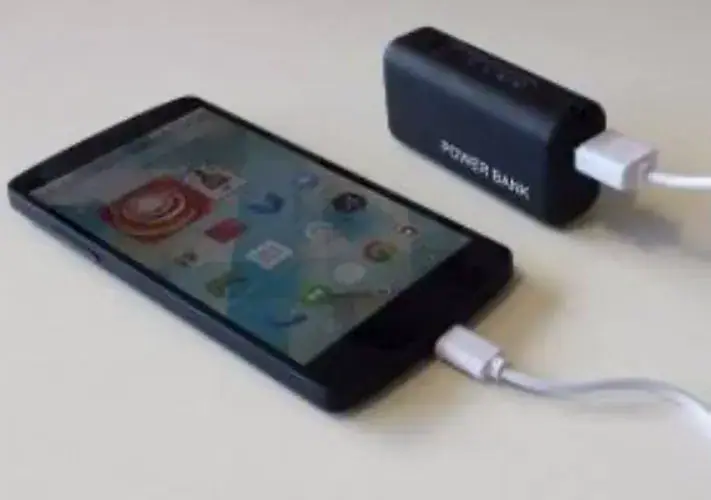
The recent incident of a power bank exploding in a home has highlighted the need to identify safe mobile power banks and use them correctly. Safe usage depends on choosing a product from a reliable source, ensuring compatibility with the mobile phone, and adhering to charging and storage instructions. Consumers must also be aware of signs indicating a faulty battery. According to experts, selecting a safe power bank requires verifying the manufacturer's details, model, and electrical capacity.
When purchasing a power bank, it is crucial to buy from reputable stores and avoid products with unclear or insufficient information. The chosen power bank must be compatible with the phone's specifications, and its charging capacity and ports must match. Using recommended cables and chargers is also essential. Furthermore, verifying the warranty and operation instructions can help consumers make informed decisions.
There are warning signs that indicate potential issues with a power bank. These include a swollen body, damaged outer casing, unusual smells, excessive heat, or smoke emission. If any of these signs appear, users should stop using the device and avoid recharging or attempting to repair it themselves. In cases of smoke or ignition, users should move away and seek assistance from relevant authorities.
To protect phones from battery risks, users should use compatible chargers and cables, avoid counterfeit or damaged products, and keep devices away from direct sunlight and high temperatures. Additionally, users should not place charging devices on beds, sofas, or near flammable materials during charging and follow the manufacturer's guidelines for usage and suitable temperatures.
Proper storage of power banks is also essential. They should be kept in dry, moderately heated areas, away from humidity and direct sunlight. Users should not leave power banks in closed cars during hot weather and avoid using or charging them if they show signs of swelling or damage.
Safe disposal of power banks is another critical aspect. Users should not dispose of them in regular household waste but instead hand them over to specialized authorities for collecting batteries and electronic waste. Following these guidelines can minimize risks associated with power bank usage.
In conclusion, selecting a safe power bank and using it correctly can prevent potential hazards. By being aware of the warning signs, following proper usage and storage guidelines, and disposing of power banks safely, consumers can protect their phones and ensure their safety.
Key points
- Choosing a power bank from a reliable source and ensuring compatibility with the phone is crucial for safe usage.
- Users should be aware of warning signs such as swelling, damage, unusual smells, excessive heat, or smoke emission.
- Proper storage, usage, and disposal of power banks can minimize risks associated with their usage.