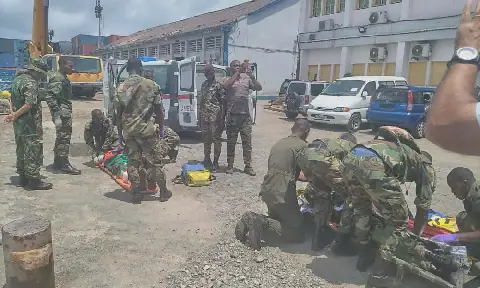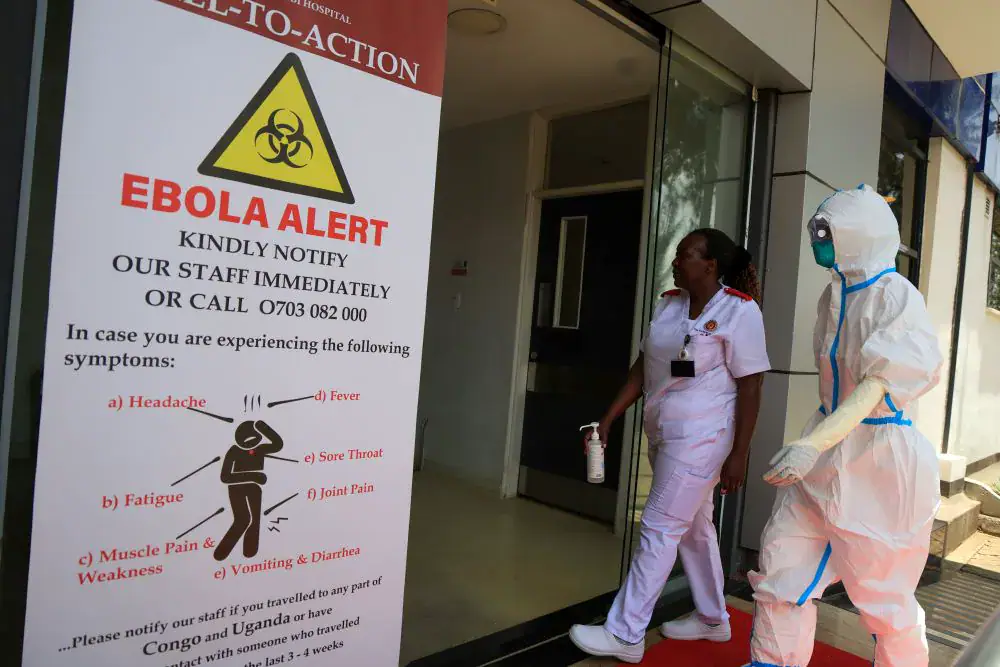
The Democratic Republic of Congo (DR Congo) has confirmed 10,060 cases of Ebola as of October 25, 2026, with nearly half of those infected succumbing to the disease. The outbreak, caused by the Bundibugyo virus, has spread to eight provinces, primarily in eastern DR Congo. This development has raised concerns about the risk of further regional spread, with cases already reported in Kenya and Nigeria.
The Norwegian Refugee Council (NRC) has urged for an urgent scale-up of humanitarian operations in DR Congo, warning that the response is failing to match the scale of the outbreak. Silvia Beccacece, NRC's emergency team leader, stated that the outbreak is placing additional pressure on communities already weakened by years of conflict and inadequate humanitarian assistance.
The epidemic is unfolding amid a prolonged humanitarian crisis in eastern DR Congo, where years of armed violence, displacement, and limited access to essential services have left communities struggling to cope with additional emergencies. The NRC has been operating in DR Congo for over two decades and is participating in the Ebola response, particularly in Ituri Province.
The NRC operates in 19 affected health zones and is expanding its response while continuing to provide essential humanitarian assistance. Its interventions include infection prevention and control, water, sanitation and hygiene services, as well as community awareness programmes aimed at helping people understand the disease and reduce transmission.
The organisation is working with schools to strengthen infection prevention measures and enable learning to continue safely, amid concerns that the outbreak could disrupt the education of hundreds of thousands of children. Controlling the epidemic will require closer coordination among health authorities, humanitarian agencies, community-based organisations, and international partners.
The NRC has emphasised the importance of involving local communities in response efforts and ensuring that interventions respect local customs and traditions. The organisation has urged donors and humanitarian partners to increase funding and support for operations in areas affected by Ebola and displacement.
The NRC warned that without sustained support and coordinated action, the outbreak would continue to place lives at risk and deepen the humanitarian crisis in eastern DR Congo. Beccacece called on leaders to act on the warning signs and provide the resources needed to strengthen the response.
Key points
- The Democratic Republic of Congo has recorded 10,060 confirmed cases of Ebola as of October 25, 2026.
- The Norwegian Refugee Council has urged for an urgent scale-up of humanitarian operations in DR Congo.
- The outbreak has affected eight provinces, primarily in eastern DR Congo, and has raised concerns about the risk of further regional spread.