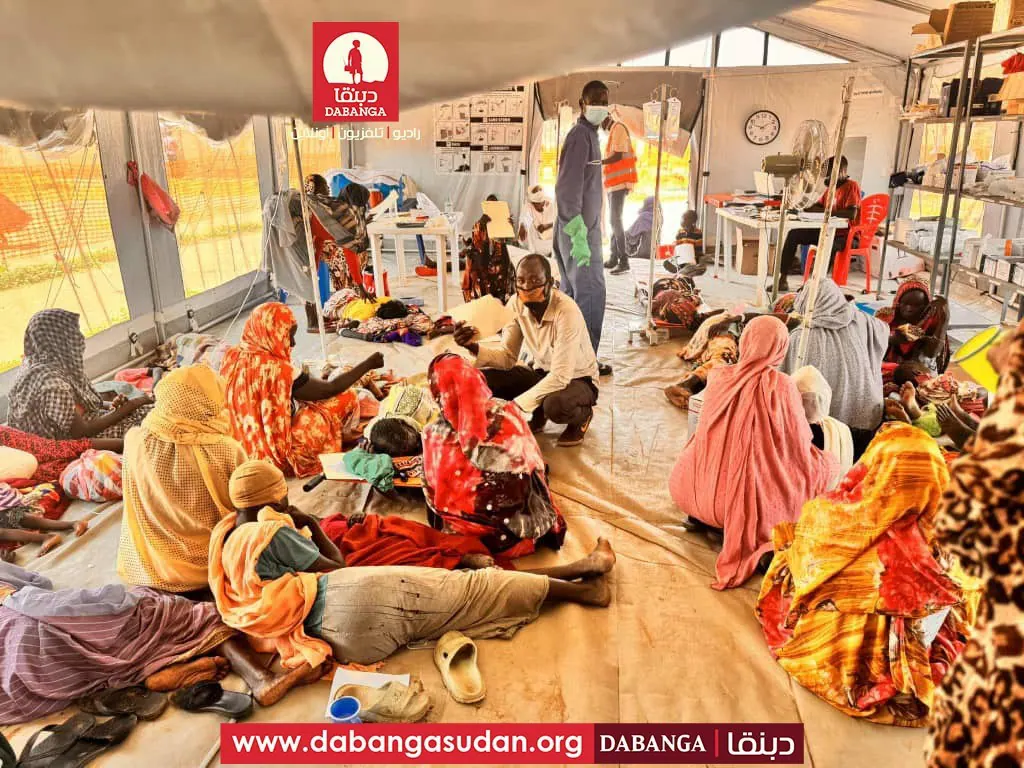
The Sudanese Ministry of Health has reported a significant increase in cholera cases, with one case confirmed in North Kordofan's Sudri locality. This development comes as the country struggles to contain the outbreak, which has spread to all 18 states, with the highest number of cases reported in Port Sudan, Al-Qadaref, Khartoum, and Kosti. According to Radio Dabanga, the situation is dire, with many areas lacking access to clean water and proper sanitation.
The conflict between the Sudanese Armed Forces and the Rapid Support Forces, which began in April 2023, has exacerbated the cholera outbreak. The war has disrupted the healthcare system, leaving many civilians without access to basic medical care. The destruction of infrastructure, including power plants and water treatment facilities, has further complicated the situation. In February 2025, the bombing of the power plant in Kosti left thousands without access to clean water, leading to a rapid increase in cholera cases.
According to Dr. Miekayla Serafini, head of Médecins Sans Frontières in Switzerland, Sudan has experienced at least 16 cholera outbreaks since the 1960s. However, the current outbreak is one of the most severe, with over 124,000 cases and 3,500 deaths reported in 2024 and 2025. The World Health Organization has attributed the high number of cases to the ongoing conflict, which has led to a breakdown in healthcare and sanitation services.
The impact of the conflict on civilians has been devastating, with many forced to flee their homes and live in makeshift camps with limited access to basic necessities. The lack of clean water and sanitation has created an environment in which the cholera outbreak can spread rapidly. In some areas, cases have been reported within days of the arrival of new displaced persons, highlighting the need for urgent action to contain the outbreak.
Dr. Serafini has called for immediate action to address the cholera outbreak, including investment in preparedness measures such as vaccination programs and water and sanitation services. He emphasized that the response to the outbreak requires a decentralized approach, with a focus on early detection and rapid response. The international community has been urged to provide support to the Sudanese government and humanitarian agencies to help contain the outbreak.
Despite efforts to contain the outbreak, new cases continue to be reported. In June, a new outbreak was confirmed in West Kordofan, with cases of acute diarrhea reported in May. While the number of cases in North Kordofan is declining, the situation remains fragile, and the risk of further outbreaks is high. The ongoing conflict and lack of clear surveillance data have hindered efforts to respond effectively to the outbreak.
The cholera outbreak in Sudan is a stark reminder of the devastating impact of conflict on healthcare and civilian populations. As the situation continues to deteriorate, there is an urgent need for a coordinated response to address the root causes of the outbreak and prevent further spread of the disease. The international community must provide support to the Sudanese government and humanitarian agencies to help contain the outbreak and protect vulnerable populations.
Key points
- The conflict in Sudan has exacerbated the cholera outbreak, with over 124,000 cases and 3,500 deaths reported in 2024 and 2025.
- The destruction of infrastructure, including power plants and water treatment facilities, has further complicated the situation.
- There is an urgent need for investment in preparedness measures, including vaccination programs and water and sanitation services, to contain the outbreak.