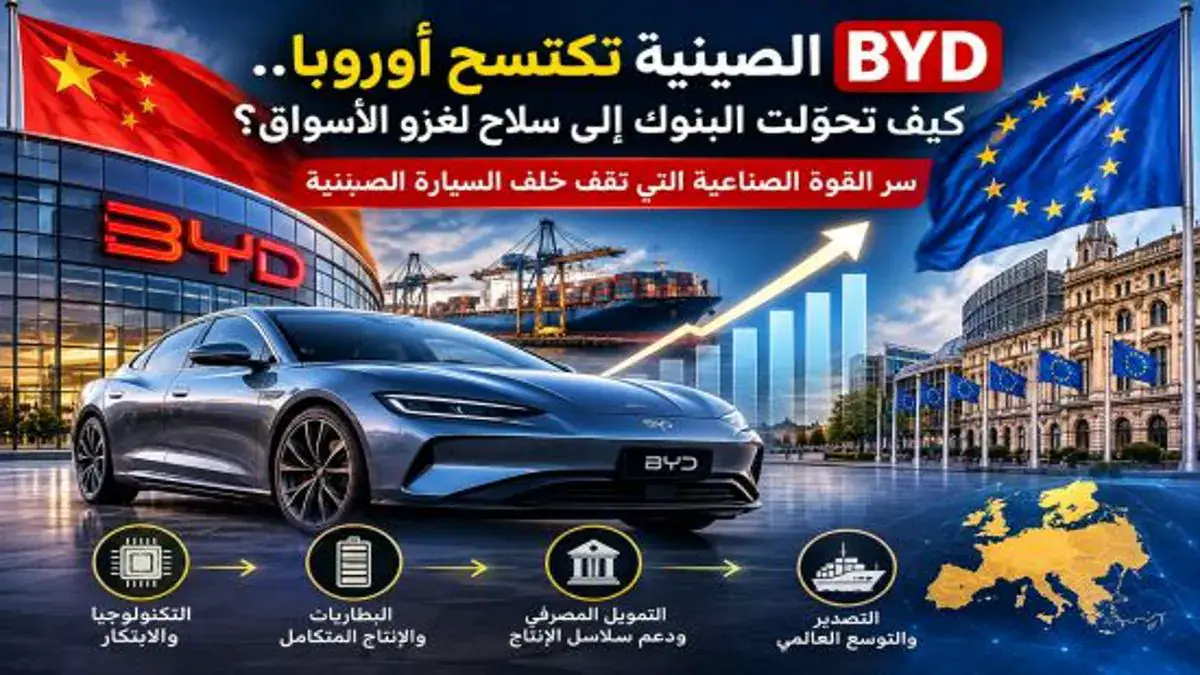
Chinese company BYD has made significant inroads into the European car market, leveraging its integrated industrial model that combines technology, batteries, and banking support. This approach has enabled BYD to offer competitive electric vehicles that have gained traction in the region. The company's success is attributed to China's comprehensive industrial policy, which has fostered a supportive ecosystem for the production and export of electric vehicles. BYD's entry into the European market is a testament to the growing competitiveness of Chinese firms in the global automotive industry.
BYD's business model is distinct from that of its European counterparts. The company has invested heavily in research and development, enabling it to produce a range of electric vehicles that cater to different market segments. BYD's focus on innovation has allowed it to stay ahead of the competition, with its vehicles featuring advanced technology and competitive pricing. The company's strategy has paid off, with its sales growing rapidly in Europe. BYD's success has also been driven by its ability to adapt to local market conditions, with the company establishing partnerships with local dealers and distributors.
A key factor in BYD's success is its control over the production of batteries and other essential components. This vertical integration has enabled the company to reduce costs and improve efficiency, making its vehicles more competitive in the market. BYD's battery technology is considered among the best in the industry, with the company's batteries being used in a range of applications beyond electric vehicles. The company's focus on sustainability has also resonated with European consumers, who are increasingly environmentally conscious. BYD's commitment to reducing carbon emissions has earned it a reputation as a responsible and eco-friendly brand.
The Chinese government's support for the electric vehicle industry has played a significant role in BYD's success. The government has provided incentives for companies to invest in research and development, as well as subsidies for consumers to purchase electric vehicles. This support has helped to create a favorable business environment for BYD and other Chinese electric vehicle manufacturers. The company's access to low-cost capital has also enabled it to invest in new technologies and expand its production capacity. As a result, BYD has been able to offer competitive pricing and advanced technology, making its vehicles attractive to European consumers.
European automakers are facing significant challenges in responding to BYD's competitive offerings. The company's focus on electric vehicles has allowed it to capitalize on the growing demand for sustainable transportation solutions. European automakers, on the other hand, have been slower to adapt to the shift towards electric vehicles, and are now facing pressure to invest heavily in new technologies and production capacity. The European Union's imposition of tariffs on Chinese electric vehicles has also had a limited impact on BYD's expansion plans, with the company exploring alternative production locations and partnerships.
BYD's success in the European market has significant implications for the global automotive industry. The company's competitive offerings have raised the bar for European automakers, forcing them to invest in new technologies and improve their efficiency. The growth of Chinese electric vehicle manufacturers like BYD has also created new opportunities for partnerships and collaborations between Chinese and European companies. As the global automotive industry continues to evolve, BYD's success is likely to be a key factor in shaping the competitive landscape.
The future of the European automotive industry is likely to be shaped by the rise of Chinese electric vehicle manufacturers like BYD. The company's success has demonstrated the importance of investing in new technologies and adapting to changing market conditions. European automakers will need to respond to the competitive challenge posed by BYD and other Chinese firms, by investing in electric vehicle technology and improving their efficiency. The European Union's policies on electric vehicles and trade with China will also play a critical role in shaping the competitive landscape of the global automotive industry.
Key points
- BYD's success in the European market is attributed to its integrated industrial model, which combines technology, batteries, and banking support.
- The company's focus on innovation and sustainability has resonated with European consumers, who are increasingly environmentally conscious.
- European automakers are facing significant challenges in responding to BYD's competitive offerings, and will need to invest heavily in new technologies and production capacity to remain competitive.
Reporting sources
- بي واي دي الصينية، كيف اكتسحت الأسواق الأوروبية؟ · Al-Massaa