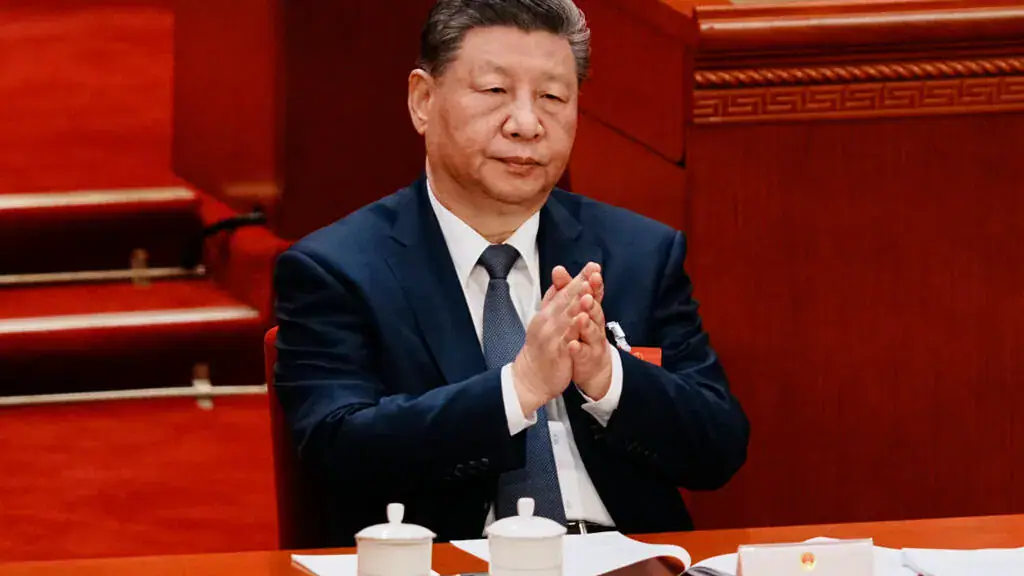
The Chinese Communist Party (PCC) recently convened its fifth plenary session in Beijing from October 26-29, 2026, to focus on strengthening internal discipline, consolidating institutions, and combating corruption. This meeting is part of the ongoing reforms under the leadership of President Xi Jinping, highlighting the close relationship between political governance, public action effectiveness, economic development, and improving living conditions. The discussions also emphasized the importance of governance in political parties, a crucial aspect for institutional stability, leadership credibility, and effective public policies.
The PCC has made discipline a fundamental requirement for governance since the 18th National Congress. This approach is based on the conviction that a party's solidity depends on its ability to preserve unity, correct dysfunctions, and maintain a permanent link with the population's aspirations. The fifth plenary session aims to consolidate institutions and deepen self-regulation mechanisms, drawing lessons from previous reforms and adapting to new political, economic, and social challenges.
The thought of Xi Jinping on party building is at the center of this orientation, presented as a major contribution to the evolution of the PCC's political doctrine in the new era. It emphasizes the primacy of the party's political leadership, maintaining organizational unity, perfecting institutions, and strengthening action capacities. This doctrine prioritizes cadre formation, ideological conviction consolidation, leadership responsibility, and preserving party-population relations.
The fight against corruption is a significant aspect of this policy, considered by Chinese leaders as crucial for public trust and governance quality. Reforms since 2012 aim to combat unethical administrative practices, unjustified privileges, and behaviors that weaken institutional credibility. The eight recommendations adopted in 2012 on improving work style marked an important step in rationalizing political and administrative leaders' practices.
According to the presentation document, this approach has contributed to transforming the PCC's internal practices and promoting greater public leader exemplariness. Chinese authorities establish a direct link between improved discipline, more equitable collective resource use, and strengthened public trust. This approach is based on the idea that a structured political organization can conduct coherent public policies and support sustainable growth.
The PCC considers that the fight against corruption helps preserve public resources, improve their allocation, and strengthen development program effectiveness. This policy has led to significant changes in the party's internal practices and has contributed to promoting a culture of integrity. The Chinese authorities believe that this approach will help achieve national development and renewal goals.
The modernization of the party appears as one of the conditions for achieving China's development objectives and national renewal. The party's efforts to strengthen discipline, combat corruption, and improve governance are seen as essential for maintaining public trust and ensuring the effectiveness of public policies. The Chinese Communist Party's prioritization of discipline and anti-corruption efforts is a key aspect of its governance strategy.
Key points
- The Chinese Communist Party has made strengthening internal discipline and combating corruption central to its strategic thinking.
- The party's efforts to improve governance and promote a culture of integrity are seen as essential for maintaining public trust and ensuring effective public policies.
- The modernization of the party is considered a condition for achieving China's development objectives and national renewal.