A recent report by the United Nations Educational, Scientific and Cultural Organisation (UNESCO) has highlighted the growing threat of drone strikes to journalists worldwide. Released on November 2, 2026, to mark the International Day to End Impunity for Crimes against Journalists, the report documents 189 killings of journalists and media workers during 2024 and 2025. This represents a 20% increase from the previous biennium and the highest death toll since 2014-2015.
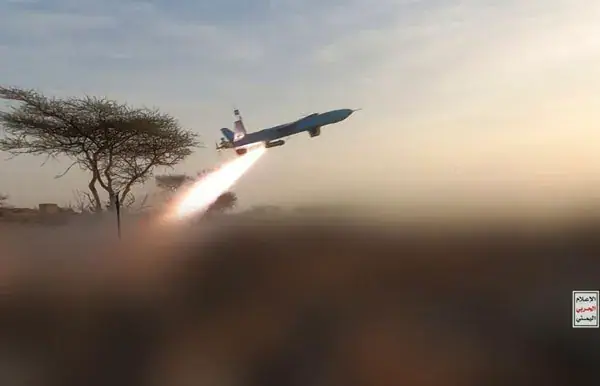
Drone strikes have emerged as a significant contributor to journalist fatalities, with 50 media workers killed by drones in 2024 and 2025. According to UNESCO, these strikes accounted for 40% of journalist deaths in conflict zones during this period. The report also notes that 127 journalists were killed in conflict zones, with seven incidents involving multiple journalists killed in single attacks, including strikes on media workplaces and temporary reporting centres.
The report raises concerns about the protection of media personnel in armed conflicts, citing 15 cases where journalists were killed while wearing press vests or traveling in vehicles clearly marked "Press". UNESCO Director-General Khaled El-Enany emphasized that journalists are increasingly paying with their lives for reporting from conflict zones, with those responsible for their killings often not being held accountable.
The global accountability crisis is worsening, with UNESCO reporting that 86% of journalist killings in 2024 and 2025 remained unpunished. This marks the first increase in the impunity rate in over a decade. The Arab States recorded the highest number of verified journalist killings at 97, followed by Latin America and the Caribbean with 37, Asia and the Pacific with 34, Central and Eastern Europe with 14, Africa with six, and Western Europe and North America with one.
The State of Palestine recorded the highest number of killings in both years, with 30 journalists killed in 2024 and 32 in 2025. UNESCO has called for the enforcement of United Nations Security Council Resolution 2222, which reaffirms the protection of journalists, media professionals, and associated personnel as civilians during armed conflicts.
Despite the worsening global picture, the report notes that impunity in countries not experiencing conflict has declined from 94% in 2012 to 77% in 2026. The number of journalists killed outside conflict zones also fell to 85, the lowest figure in 18 years. However, women journalists continue to face heightened risks, with 13 of the 14 women journalists killed during the reporting period being in countries experiencing armed conflict.
UN Secretary-General António Guterres emphasized that journalists continue to pay an unacceptable price for telling the truth, with six out of every seven killings going unpunished. He demanded justice for targeted journalists, stating that when journalists are targeted and their reporting is extinguished, it makes victims of us all.
Key points
- 50 media workers were killed by drone strikes in 2024 and 2025.
- 86% of journalist killings in 2024 and 2025 remained unpunished.
- Women journalists face heightened risks, with 13 of 14 killed in conflict zones.