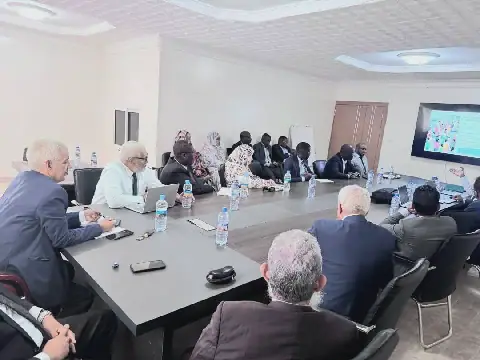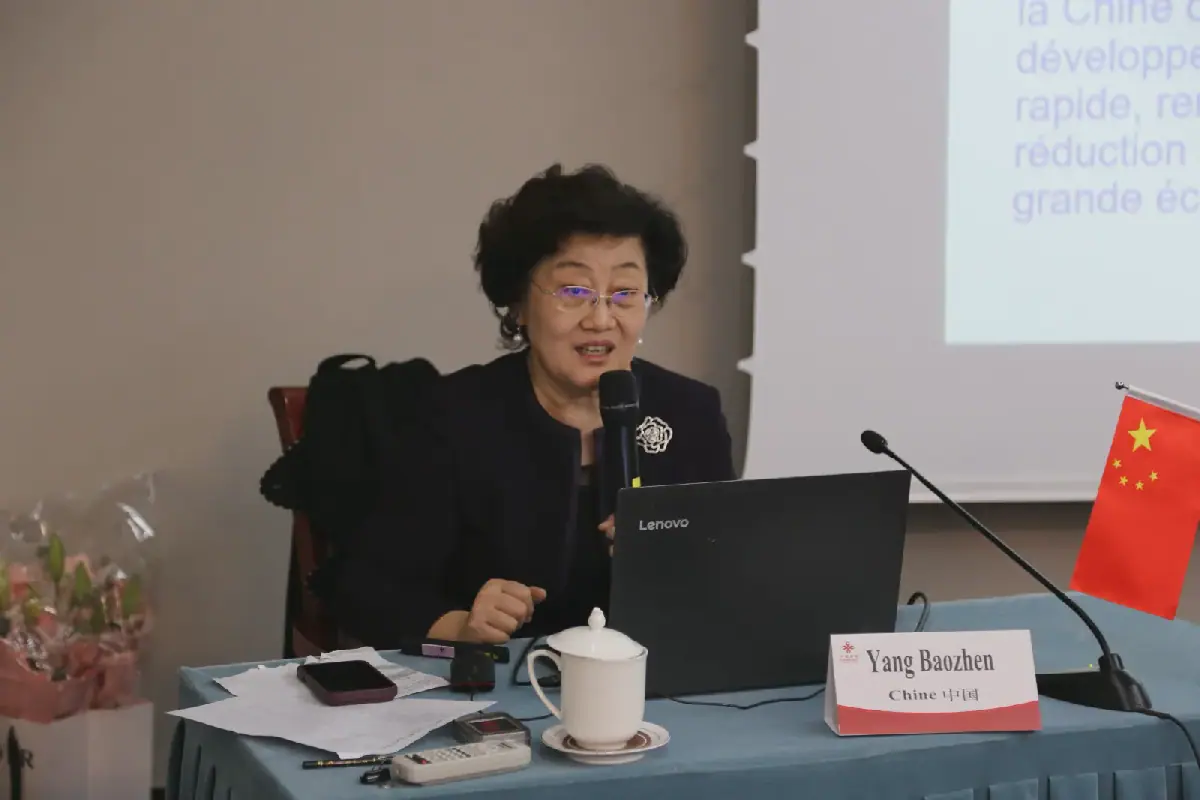
A delegation of Nigerien journalists recently visited Beijing, China, where they learned about China's experience in eliminating extreme poverty. On November 13, 2026, a conference was held to discuss China's policies and practices in poverty reduction. The conference featured Mme Yang Baozhen, a former senior official with the Canadian International Development Agency. She explained that China's poverty reduction efforts were the result of a long process, not a single event.
Mme Yang Baozhen highlighted China's strategic approach to achieving the UN's Sustainable Development Goals by 2030. The country focused on several key areas, including eliminating famine, ensuring food security, promoting sustainable agriculture, and providing access to quality education and healthcare. China also prioritized environmental protection and equality between men and women. These efforts were part of a broader development strategy aimed at stimulating economic growth and reducing poverty.
China's economic development has been instrumental in reducing poverty on a large scale. The country has implemented various reforms to stimulate its economy, including the creation of special economic zones, the introduction of foreign investment, and the liberalization of trade and prices. China has also established a socialist market system and encouraged the growth of private enterprises. These efforts have contributed significantly to poverty reduction, with 30.46 million people lifted out of poverty by the end of 2017 and 16.6 million by the end of 2018.
China's poverty reduction strategy involved a targeted approach, ensuring that all citizens had access to basic necessities like food, clothing, and healthcare. The government also made education compulsory and provided housing security. To achieve these goals, China registered all individuals living in poverty, starting with 800,000 officials sent to rural areas in 2014. This effort mobilized 2 million people for a new registration in 2016, collecting information on every village and family in poverty.
The Chinese government allocated significant funds to support poverty reduction efforts. In 2016, the central government allocated 66.7 billion RMB, while provincial governments contributed 49.3 billion RMB. Additionally, 170.6 billion RMB in microcredits and 283.3 billion RMB were provided to 8.02 million poor families. These investments helped to stimulate economic growth and provide essential services to those in need.
China's poverty reduction efforts have also involved partnerships between developed provinces in the east and poor regions in the west. These partnerships aim to support economic development and provide resources to areas in need. By sharing its experience with Nigerien journalists, China hopes to inspire other countries to adopt similar strategies and achieve their own poverty reduction goals.
The visit by Nigerien journalists to China highlights the growing interest in South-South cooperation and knowledge sharing on poverty reduction. By learning from China's experience, Niger and other countries can develop their own effective strategies to reduce poverty and promote sustainable development. China's poverty reduction achievements serve as a valuable example for other countries to follow.
Key points
- China's targeted poverty reduction approach involved registering all individuals living in poverty and providing access to basic necessities like food, clothing, and healthcare.
Reporting sources
- Beijing : l’expérience chinoise dans l’élimination de l’extrême pauvreté partagée avec médias nigériens · Agence Nigérienne de Presse