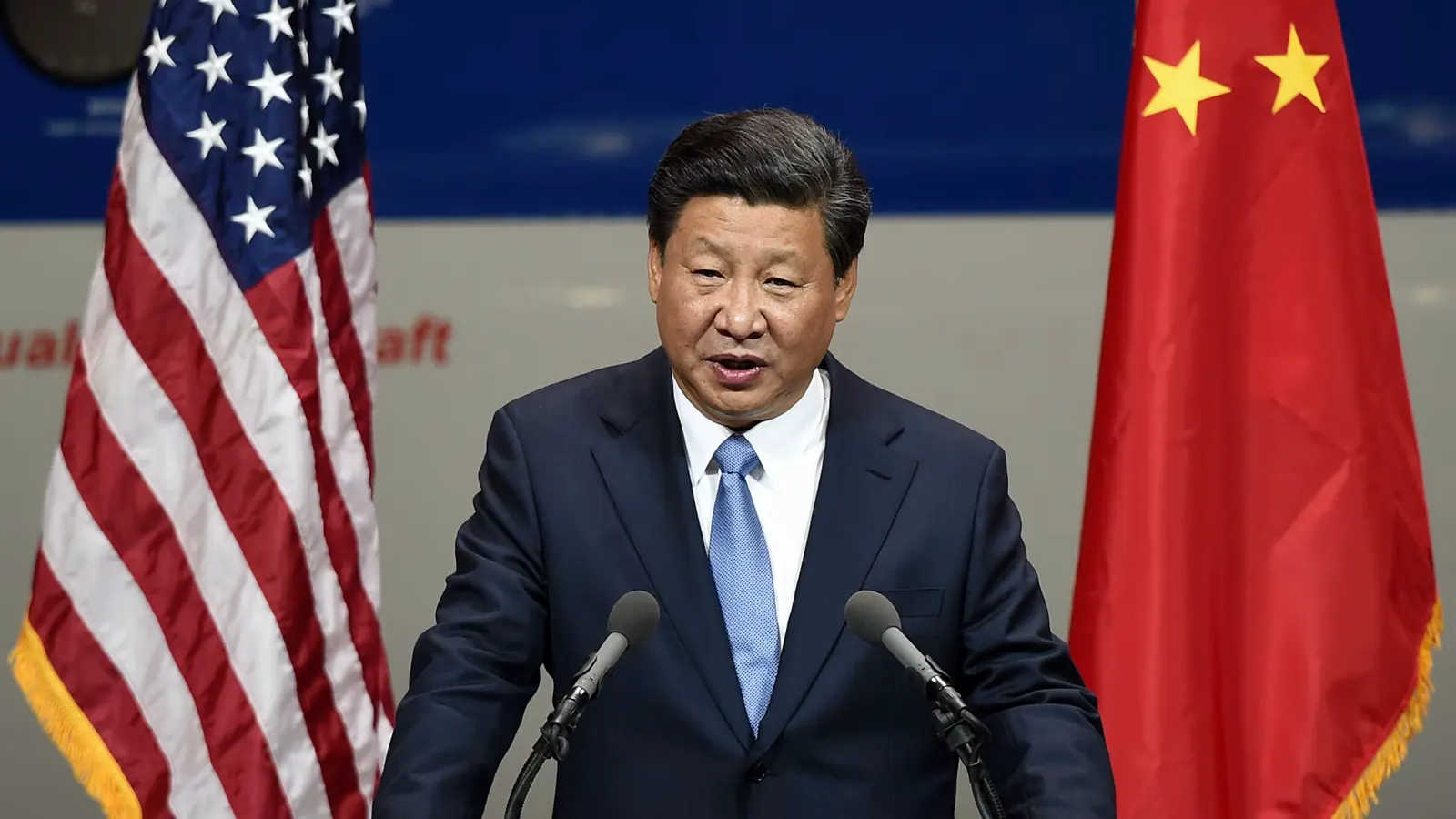
Chinese leader Xi Jinping is set to meet with US President Donald Trump, marking a significant shift in the dynamics of their relationship since their last meeting in 2017. At that time, China was vulnerable to US tech and trade frictions, but now it has emerged as a tech heavyweight, with home-grown talent driving AI models and Beijing-based space firms launching reusable rockets.
China's economy has transformed, with a $1.2 trillion global trade surplus last year, driven by demand for electric vehicles, solar panels, and chips. Its grip on supply chains, particularly rare earths, has given Beijing leverage over Washington. Meanwhile, the US is struggling with its global relationships and has yet to end its war on Iran, which is destabilizing the global economy.
Xi's visit comes as China is increasingly seen as a responsible and dependable global leader. According to Wu Xinbo, dean of the Institute of International Studies at Shanghai's Fudan University, China is more confident and has found an effective way to keep the US in check. The relationship between the two nations must now be more reciprocal and respectful.
Despite this newfound confidence, Xi faces challenges, including a slowing economy and the need to maintain "constructive strategic stability" with the US. China's high-tech transformation is crucial to injecting momentum into its economy, and Xi will likely push for greater predictability in the economic and technology relationship between the two nations.
China's ambassador to the US, Xie Feng, has warned that Taiwan and human rights are "red lines" for Beijing that cannot be crossed. In a bullish editorial, Xie emphasized that China's sovereignty, security, and development interests must not be violated. The Chinese delegation will likely emphasize the need for the US to respect these boundaries.
A key source of China's confidence is its ability to diversify trade and build technological self-sufficiency, driven by vast financing and political will. The country has made significant strides in cutting-edge sectors like robotics, AI, and biotech, but challenges persist, including high youth unemployment and a struggling property sector.
As Xi visits the US, the spotlight is on the risks of AI, including from Chinese models. The Chinese leader will aim to dissuade the US from imposing more tech restrictions that could limit Chinese firms' access to American technology or markets. With China's growing global and technological clout, Xi will present a new reality to the US: its rise does not depend on a stable relationship with Washington.
Key points
- China's growing technological self-sufficiency and global influence have shifted the dynamics of its relationship with the US.
- Xi Jinping's visit aims to promote greater predictability in the economic and technology relationship between the two nations.
- China's confidence is driven by its advancements in tech sectors, but challenges persist, including a slowing economy and high youth unemployment.