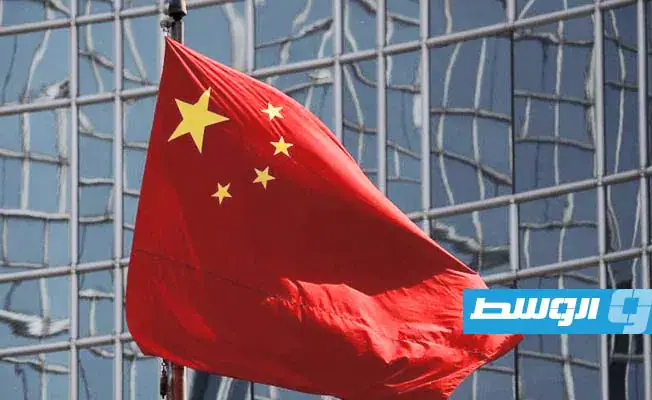
China's industrial activity contracted in October, with the manufacturing purchasing managers' index falling to 49.3, according to official data. This was below the 50-point threshold that separates growth from contraction. The decline was attributed to a one-week national holiday in early October and a complex and volatile international environment.
The October figure was lower than economists' expectations of 49.9, according to a Bloomberg survey. It was also below the levels recorded in September and August, which were 50.1 and 49.8, respectively. However, the index was higher than the 49.2 recorded in July. The data was released by the National Bureau of Statistics.
The decline in industrial activity was driven by a contraction in the consumer goods sector. The manufacturing purchasing managers' index for consumer goods fell by 1.9 points from September. This was attributed to a relative weakness in market activity. Despite this, high-tech industries continued to grow, driven by the development of artificial intelligence.
The National Bureau of Statistics attributed the decline in industrial activity to rising raw material costs. Global oil prices continued to rise, leading to higher prices for coal, rubber, and plastic products. The bureau's senior statistician, Ho Leung, said that the complex and volatile international environment had also contributed to the decline.
China's non-manufacturing sector also experienced a slowdown in October. The non-manufacturing purchasing managers' index fell to 49.7, below economists' expectations of 50.0. This was also lower than the 50.2 recorded in September. The decline was driven by a slowdown in the services sector.
The slowdown in industrial activity has implications for China's economic growth. The government has set a growth target of 4.5-5% for this year, which is the lowest in decades. Weak domestic demand has limited the boost from exports. Economists have warned that China may need to implement more supportive policies to boost growth.
China's economic growth has been impacted by a range of factors, including a decline in global demand and a slowdown in the property sector. The government has implemented a range of measures to support growth, including monetary policy easing and fiscal stimulus. However, economists have warned that more needs to be done to address the country's economic challenges.
Key points
- China's industrial activity contracted in October, driven by a decline in the consumer goods sector.
- The decline was attributed to a range of factors, including rising raw material costs and a complex and volatile international environment.
- The slowdown in industrial activity has implications for China's economic growth, which has been impacted by weak domestic demand and a decline in global demand.