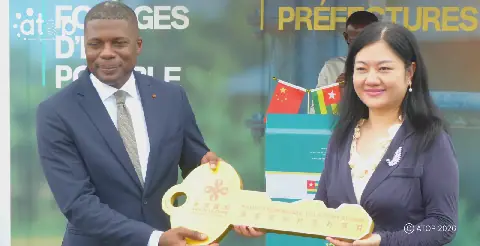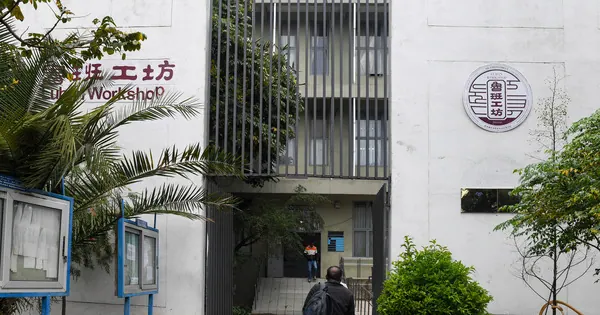
China and Africa are deepening their cooperation in vocational education, with a focus on enhancing skills development and promoting economic growth. The Ethiopian Luban Workshop, established in 2024, is one such initiative that has been making strides in providing vocational training to Ethiopians. The workshop is part of China's efforts to support Africa's development through education and training. This initiative has been gaining attention globally, with many stakeholders recognizing its potential to transform the lives of young Africans.
The World Bank has been actively involved in mobilizing private capital for projects that support vocational education and training in Africa. In the fiscal year 2026, the World Bank attracted a record $112 billion in private capital for projects it facilitated. This significant investment is expected to have a positive impact on the development of vocational education and training programs in Africa. The World Bank's efforts are aimed at supporting the growth of a skilled workforce that can drive economic growth and development in the region.
Rwanda is one of the African countries that has benefited from Chinese training programs in vocational education. A group of Rwandan agricultural professionals, including Judith Niyonsaba, a food science and technology graduate, gained valuable insights from a Chinese training program. The program equipped them with the skills and knowledge needed to improve their work at Rwanda's Inyange Industries, a local processing company. This initiative is a testament to the growing cooperation between China and Africa in vocational education.
The Asian Games 2026, currently underway in Japan, have seen remarkable performances from athletes across the continent. Indian opener Shafali Verma made history by becoming the first women's batter to score a century in the semi-final against Bangladesh. Her achievement has been hailed by former West Indies cricketer Ian Bishop, who described it as a "due reward" for her hard work. The Asian Games have provided a platform for athletes to showcase their skills and compete at the highest level.
The cooperation between China and Africa in vocational education is also seen in the establishment of vocational training institutes. The Ethiopian Luban Workshop, for instance, is a vocational training institute that provides training in various skills. The institute has been equipped with modern facilities and equipment, enabling students to acquire practical skills that are in demand in the job market. This initiative is expected to have a positive impact on the employability of young Ethiopians.
China's cooperation with Africa in vocational education is part of its broader efforts to support the continent's development. China has been actively involved in promoting education and training programs in Africa, with a focus on enhancing skills development and promoting economic growth. The Chinese government has been working closely with African governments and international organizations to support the development of vocational education and training programs.
The impact of China-Africa cooperation in vocational education is expected to be significant, with many stakeholders recognizing its potential to transform the lives of young Africans. The initiatives underway are expected to enhance skills development, promote economic growth, and improve employability. As the cooperation between China and Africa in vocational education continues to grow, it is likely to have a lasting impact on the development of the continent.
Key points
- China and Africa are strengthening vocational education cooperation to boost skills development and economic growth.