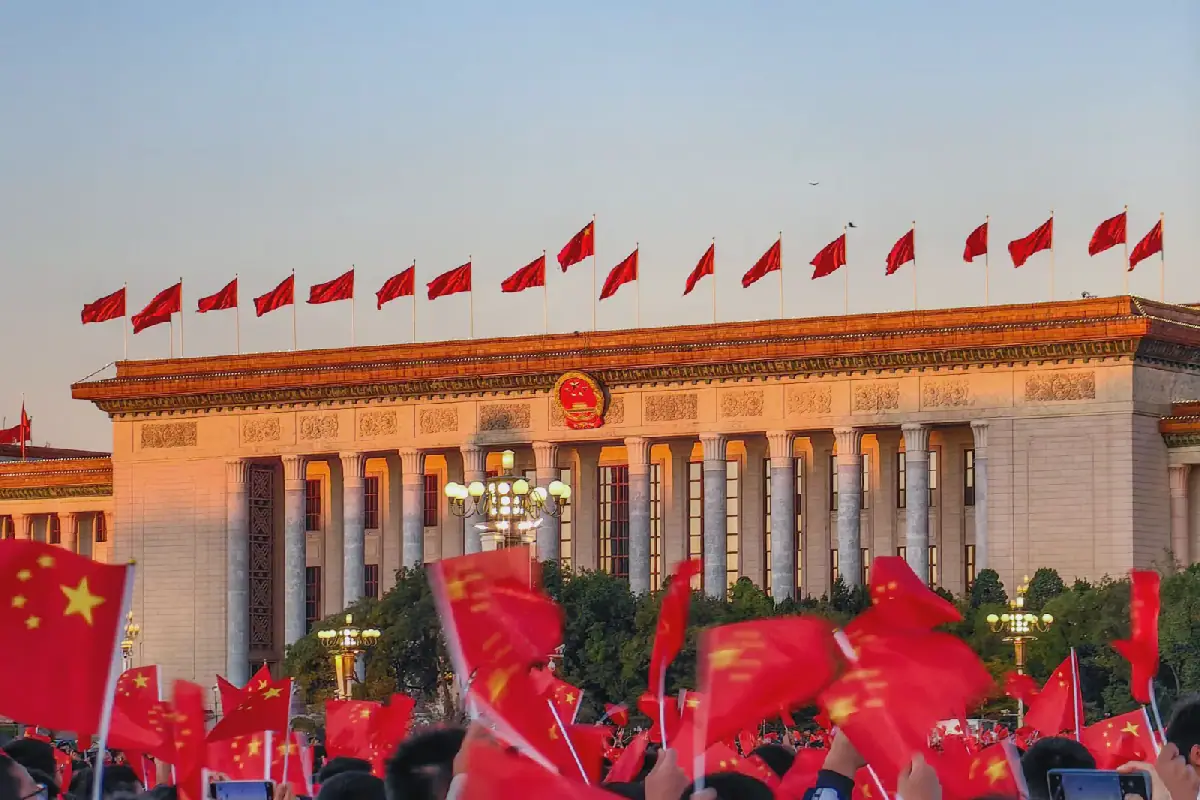
The 5th plenary session of the 20th Central Committee of the Communist Party of China was held in Beijing in October 2026. The session emphasized the pursuit of comprehensive self-governance within the Party. This approach aims to consolidate the political foundations of China's long-term development and modernization. The initiative offers a practical example for countries in the global South to explore good governance.
Chinese President Xi Jinping highlighted the importance of adapting modernization to each country's unique realities. He expressed China's willingness to strengthen exchanges with Africa on governance experiences. This cooperation aims to support African countries in finding a modernization path suited to their national conditions. Many developing countries face similar challenges in maintaining public order and preventing governance failures.
China's response to these challenges lies in the self-revolution of the Communist Party. This process involves continuous improvement in governance through self-purification and adaptation. The goal is to ensure the Party's long-term exercise of power in the interest of the people. In Africa, local wisdom on governance has been accumulated over time. Julius Nyerere, the founding father of Tanzania, emphasized the importance of a country's own history, culture, and realities in its development.
African countries have developed unique governance practices. For example, the kgotla tradition in Botswana promotes community participation in decision-making. Rwanda's gacaca mechanism aims to resolve social fractures through reconciliation. These practices reflect African peoples' deep reflection on power limitation, community cohesion, and sustainable development. They constitute a valuable heritage for Africa's autonomous modernization.
China and Africa share common challenges as members of the global South. These challenges include maintaining national sovereignty and security, promoting industrialization, and addressing climate change. The two parties also face similar governance issues, such as building effective parties and perfecting power control mechanisms. Exchanges between China and Africa can facilitate mutual inspiration and learning on these issues.
The dialogue between China and Africa on governance can focus on several key areas. One area is preserving autonomy in development choices and exchanging experiences without copying models. China is willing to share its values on self-reflection and error correction. The country is also open to learning from African wisdom on community deliberation and pluralistic inclusion.
The exchanges between China and Africa aim to promote mutual understanding and cooperation on governance. By sharing experiences and best practices, both parties can improve their governance capacities. This cooperation can contribute to the development of effective governance models in countries in the global South.
Key points
- China and Africa are exploring ways to improve governance through mutual exchanges and learning.