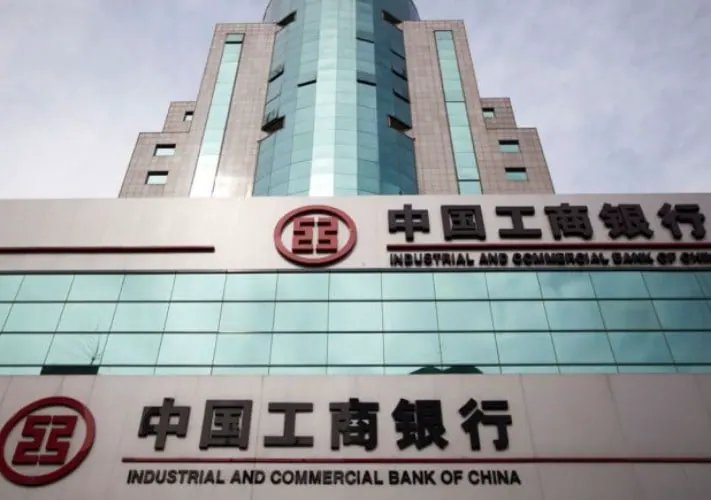
China is accelerating the merger of small, mostly rural, banks in an effort to strengthen its financial system, amid ongoing concerns about the country's slowing economic growth. According to a report by Fitch Ratings, Beijing's merger policy has led to a record 670 financial institutions being closed in 2025, equivalent to a quarter of the country's total banks. The goal is to create fewer, larger, and more robust institutions with better capital.
Fitch Ratings noted that small commercial and rural banks remain the weakest link in China's financial system, citing poor asset quality, low capital levels, and governance deficiencies, particularly in less developed regions. The agency reported that the return on assets for rural banks declined to 0.45% in the first half of the year, compared to 0.56% in 2021. Meanwhile, the ratio of non-performing loans at these banks rose to 2.8%, exceeding the sector average of 1.5%.
The increase in non-performing loans at rural banks is attributed to their high exposure to small companies, real estate developers, and local government financing entities. Fitch Ratings stated that the merger efforts aim to enhance supervision, reduce regulatory arbitrage, and improve transparency. However, the agency believes that the pressures facing small banks are unlikely to lead to a systemic financial contagion, given their limited operations and low inter-exposure with other banks.
The merger policy is part of China's efforts to address concerns about its economic growth. The country's GDP grew by 4.3% in the second quarter, marking the slowest pace since 2022. Additionally, industrial profits grew by 4.2% year-on-year in August, the weakest rate this year. These indicators suggest that China's economy continues to face challenges.
Fitch Ratings added that the merger policy may ultimately reshape the competitive dynamics among small banks, although their structural weaknesses are likely to persist in the near term. The agency's report highlights the need for China's financial sector to address the vulnerabilities of small banks and promote a more stable financial system.
China's banking sector has been facing significant challenges in recent years, including rising debt levels and increasing non-performing loans. The country's regulators have been working to strengthen the sector through measures such as mergers and acquisitions, and improved supervision. The merger of small banks is expected to help reduce the risks associated with these institutions and promote a more stable financial system.
The Chinese government's efforts to strengthen the financial sector are crucial to maintaining economic stability and promoting sustainable growth. The country's economic growth has been slowing in recent years, and policymakers are under pressure to implement measures to support growth and stability. The merger of small banks is one of several initiatives aimed at promoting a more stable and robust financial system.
Key points
- China accelerates merger of small banks to strengthen its financial system amid economic growth concerns.
- Small commercial and rural banks remain the weakest link in China's financial system, citing poor asset quality and low capital levels.
- The merger policy aims to enhance supervision, reduce regulatory arbitrage, and improve transparency in China's financial sector.