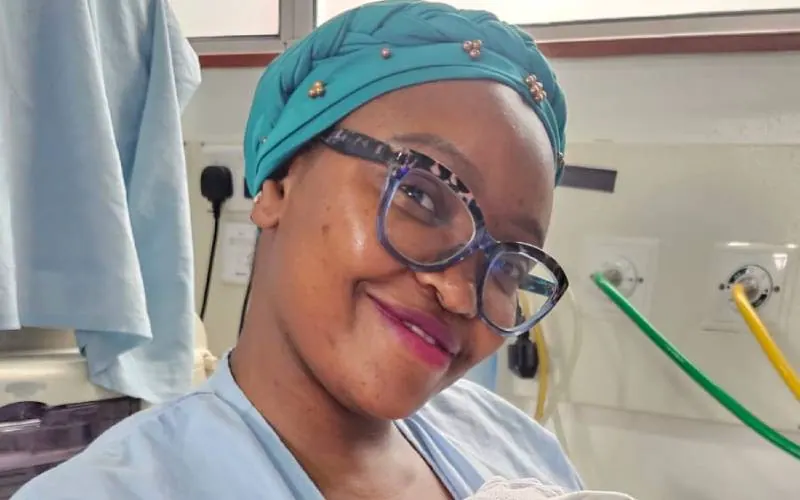
Dr. Laura Munyazi Mwangi's pregnancy took an unexpected turn at 25 weeks when an ultrasound revealed severe growth restriction and very little amniotic fluid. Further tests detected placental insufficiency, meaning the placenta was no longer supplying the baby with enough oxygen and nutrients. Reversed blood flow was also detected, warning that the baby was struggling to survive inside the womb. This news turned the final weeks of her pregnancy into a race against time.
The situation Dr. Mwangi faced is not unique, as many expectant mothers experience complications during pregnancy. Neonatal Intensive Care Unit (NICU) Awareness Month highlights the challenges faced by premature newborns and their families. The NICU is a critical care unit that provides specialized care to newborns who require close monitoring and treatment. In Kenya, healthcare facilities are working to improve neonatal care and outcomes.
Premature birth is a significant cause of morbidity and mortality in Kenya. According to the World Health Organization (WHO), Kenya has a high rate of preterm births, which can be caused by various factors, including maternal health conditions and inadequate prenatal care. The WHO recommends that countries prioritize improving maternal and newborn care to reduce mortality rates.
Dr. Mwangi's experience highlights the importance of prenatal care and monitoring. Regular check-ups and ultrasounds can help detect complications early, allowing for timely interventions. Healthcare providers emphasize the need for expectant mothers to attend prenatal appointments and follow recommended care plans to minimize risks.
The journey of fear, hope, and resilience that Dr. Mwangi and her family embarked on is a testament to the emotional and psychological impact of NICU admissions. Families with premature newborns often experience stress, anxiety, and uncertainty about their baby's survival and long-term health. Support systems, including counseling and peer networks, can play a crucial role in helping families cope.
In Kenya, efforts are being made to improve neonatal healthcare services. Healthcare facilities are investing in equipment and training staff to provide high-quality care to premature newborns. Additionally, awareness campaigns aim to educate the public about the importance of prenatal care, safe childbirth practices, and newborn care.
As Dr. Mwangi navigates the NICU journey, she joins thousands of families who have experienced similar challenges. Her story serves as a reminder of the importance of prioritizing maternal and newborn care. By supporting healthcare facilities, healthcare workers, and families, Kenya can work towards reducing neonatal mortality rates and improving health outcomes for premature newborns.
Key points
- Dr. Laura Munyazi Mwangi's pregnancy was complicated by severe growth restriction and placental insufficiency, detected at 25 weeks.
- Premature birth is a significant cause of morbidity and mortality in Kenya, with the country having a high rate of preterm births.
- The Neonatal Intensive Care Unit (NICU) provides critical care to newborns who require close monitoring and treatment.