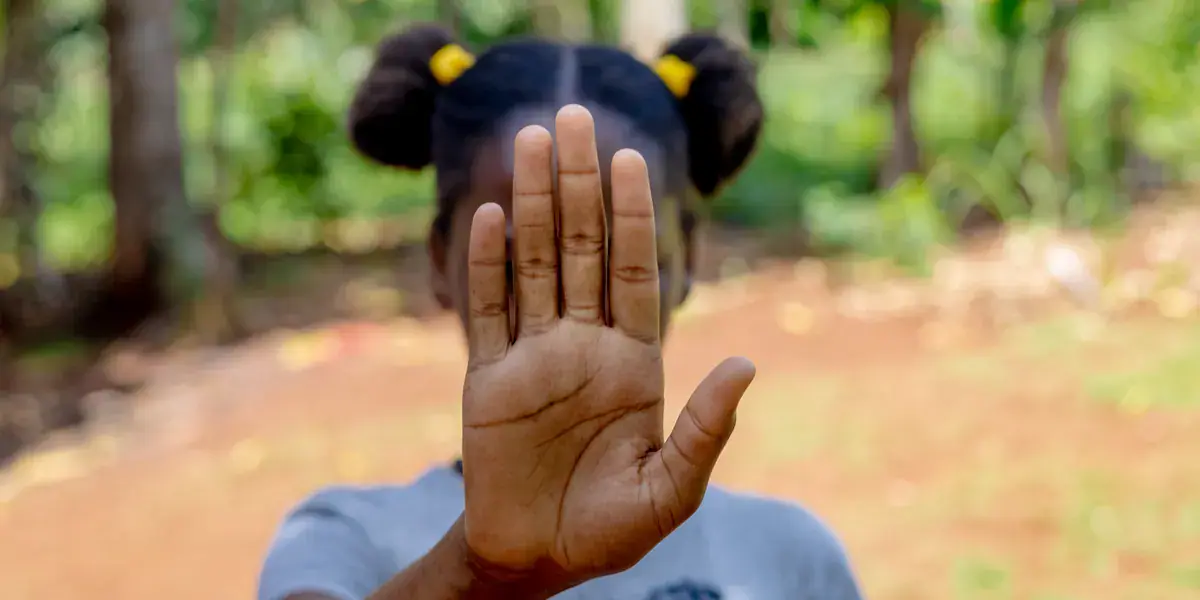
Nyanbuot, now 17, was married off in January 2024 to a man she had never met, in exchange for cows and other wealth. Her relatives arranged the marriage without her knowledge or consent, while she was studying in Kenya. She had been dreaming of becoming a doctor, but her life took a different turn. Nyanbuot is now a mother and six months pregnant with her second child, struggling to reclaim the future she once imagined.
Nyanbuot's transition from schoolgirl to wife was overwhelming. She faced difficulties during her first pregnancy, coping with household duties while carrying a child and adjusting to a husband she barely knew. She also experienced domestic violence, and her parents did not offer her support. Instead, they beat her when she tried to turn to them for help. Leaving the marriage was not a straightforward option, as her family had received cows in exchange for her.
Nyanbuot's concerns are compounded by the demands of raising a young child in a household where her husband struggles to provide for the family. She wonders why her family members put her into this difficult life, as she and her child are suffering. Her husband does not have anything apart from the cows he gave to her parents. Now six months pregnant again, Nyanbuot faces the prospect of raising two children while still trying to understand and cope with a life she says she never chose.
Nyanbuot's experience is not isolated. Forced and early marriage, often linked to the payment of cattle as bride wealth, has been documented in Lakes State. Girls have faced violence for resisting family-arranged unions, and several cases have been reported. In April 2019, a 20-year-old girl was beaten to death in Yirol after refusing to marry a man selected by her family. In May 2020, a 20-year-old woman was beaten to death by her brothers in Rumbek Centre after rejecting a marriage arranged by her family.
South Sudan has legal provisions intended to protect girls from early and forced marriage, violence, and practices that undermine their dignity, health, and education. The Transitional Constitution of South Sudan provides that no marriage shall be entered into without the free and full consent of the man and woman intending to marry. The Child Act 2008 also guarantees every child protection from early marriage and cultural or traditional practices likely to harm their health, welfare, dignity, or physical and psychological development.
Despite these laws, Nyanbuot's experience raises questions about how effectively those protections are being implemented in communities. Her case highlights the risks faced by girls who resist marriages arranged by relatives, particularly where cattle payments influence family decisions. The 2023 briefing by Saferworld on gender-based violence in Lakes State identified forced marriage as a serious concern affecting girls.
Nyanbuot's story is a reminder of the challenges faced by girls in South Sudan. Her situation and that of many others demonstrate the need for effective implementation of laws protecting girls from early and forced marriage. The government and stakeholders must work together to address the root causes of this issue and ensure that girls like Nyanbuot can pursue their dreams and aspirations without being forced into early marriage.
Key points
- Nyanbuot was forced into marriage at 14 in exchange for cows, disrupting her education and future ambitions.
- Forced and early marriage is a serious concern in Lakes State, with girls facing violence for resisting family-arranged unions.
- South Sudan has laws protecting girls from early and forced marriage, but effective implementation is necessary to prevent such cases.