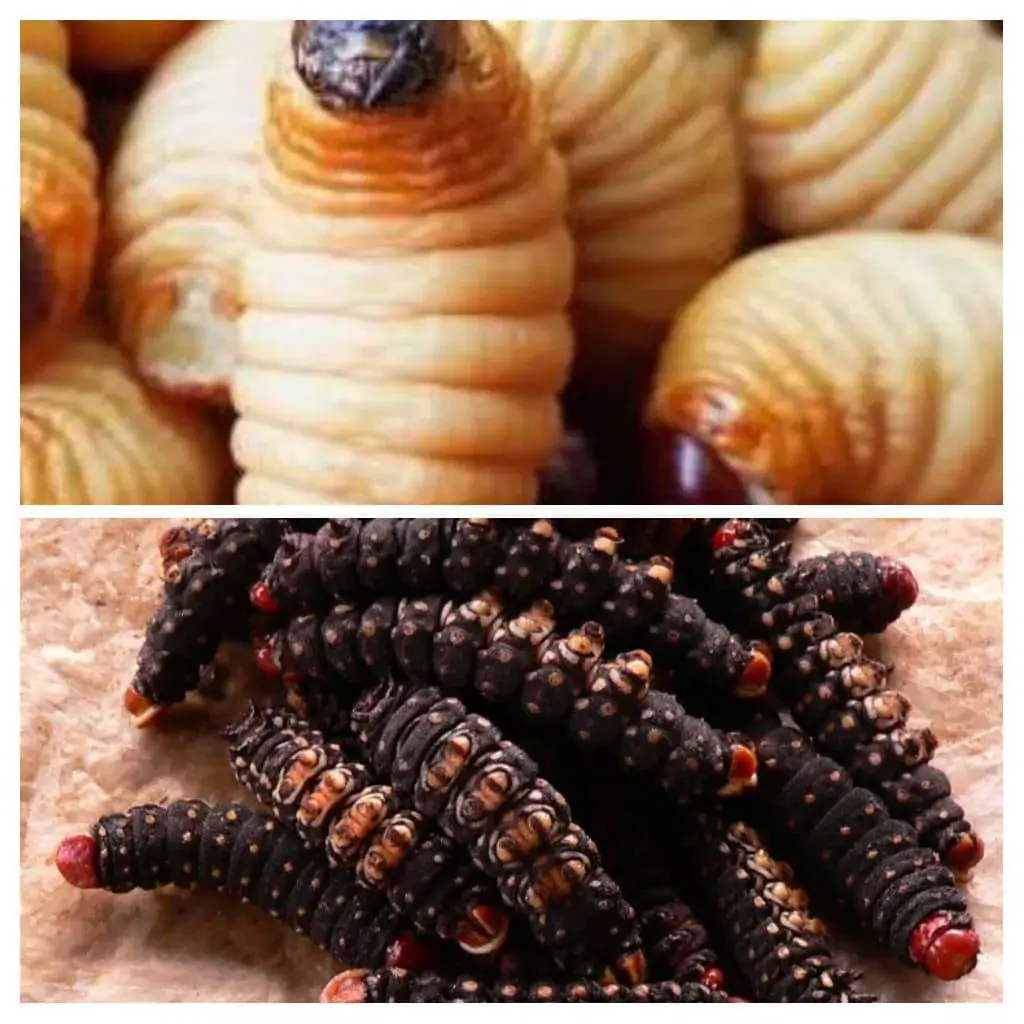
The Maï-Ndombe province in the Democratic Republic of Congo is facing a severe shortage of edible chenilles, with several species becoming scarce on markets in the city of Inongo and other localities. The shortage is unusual, given that this time of year typically offers an abundance of chenilles for sale. Species such as the palm weevil larva, known as Mpose, Pseudantheraea discrepans, Imbrasia, and Cirina forda, are among those in short supply.
Local sources attribute the shortage to climate change, degradation of natural habitats, and certain agricultural practices, including burning, which harm the environments where these species thrive and reproduce. This development has raised concerns, as chenilles are a vital source of protein and play a significant role in the dietary habits of many families in Maï-Ndombe.
The scarcity of chenilles may lead to higher prices and reduced access to this food resource, exacerbating food insecurity in the region. The situation highlights the need for scientific research to determine the root causes of the shortage and develop strategies to preserve this natural and food resource.
The call for scientific investigation comes as experts warn that the shortage could have far-reaching consequences for local communities that rely heavily on chenilles as a source of nutrition. Researchers will need to study the ecosystems where chenilles are typically found and assess the impact of human activities on their populations.
Vergelin Bola Nsa, reporting for RTNC from Maï-Ndombe, emphasized the urgency of addressing the issue. The provincial authorities and scientific community are expected to collaborate on finding solutions to the chenille shortage and mitigating its effects on local populations.
The shortage of chenilles in Maï-Ndombe province underscores the vulnerability of food systems in the region and the need for sustainable management of natural resources. Efforts to address the shortage will require a comprehensive understanding of the complex relationships between environmental factors, agricultural practices, and local food security.
As the situation continues to unfold, residents of Maï-Ndombe province are anxiously awaiting solutions to the chenille shortage, which has disrupted their traditional food sources and raised concerns about the long-term sustainability of their ecosystems.
Key points
- The shortage of edible chenilles in Maï-Ndombe province is attributed to climate change, habitat degradation, and certain agricultural practices.
- The scarcity of chenilles may lead to higher prices and reduced access to this vital source of protein for local communities.
- Scientists are called upon to conduct an in-depth study to establish the real causes of the shortage and develop measures to preserve this natural resource.