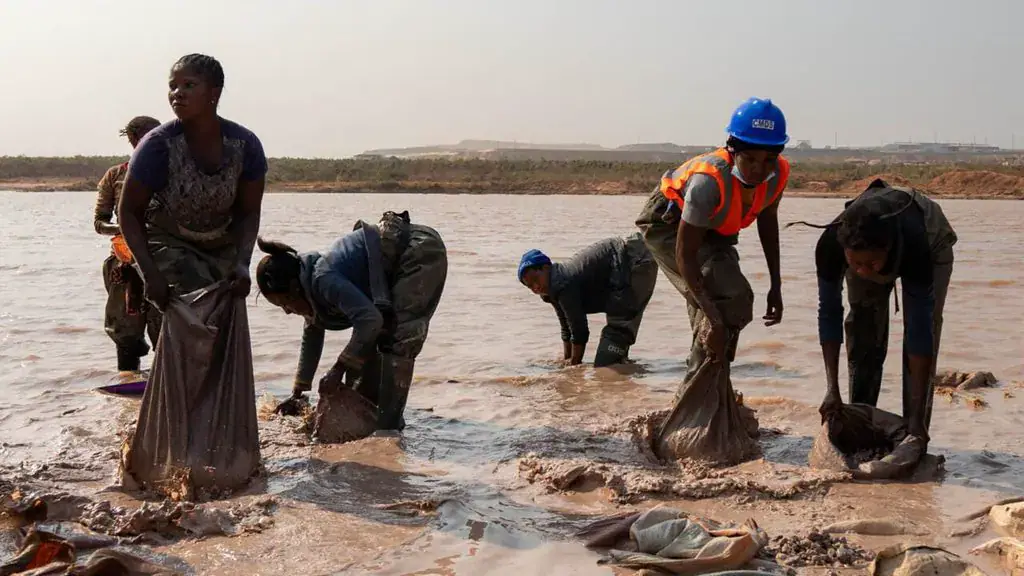
The Democratic Republic of Congo's mining sector is on the cusp of a significant transformation as Chemaf, now controlled by US-based Virtus Minerals, prepares to launch industrial operations at its Mutoshi site in the Lualaba province. The company has set an ultimatum for the 10,000 artisanal miners currently operating in the area, giving them until November 30 to vacate the site. This move marks a turning point in the history of Mutoshi, which has been dominated by artisanal mining for over two decades.
Chemaf's decision to transition to industrial operations is driven by safety concerns, as the company believes that the presence of artisanal miners on the site poses a risk to both the miners and its industrial workers. The company is planning to start operations at its treatment plant on exploitation permit (PE) 2604, which requires a secure site. To facilitate the transition, Chemaf has announced a series of social measures to support the affected artisanal miners, including a one-time payment of $150 and food assistance.
The artisanal miners will be temporarily relocated to the PE 4613 site, where they will be able to continue their activities while the Zone d'exploitation artisanale (ZEA) 350 is being developed. Chemaf has partnered with the Fédération des coopératives, including COMIOKOL, COMIAU, and CMBRD, to support the relocation process and ensure a smooth transition. The company aims to avoid disrupting the livelihoods of the artisanal miners and ensure that they have a safe and secure place to work.
The Congolese civil society is also playing a key role in the transition process. The Nouvelle société civile congolaise (NSCC) is working with the artisanal miners to ensure that they are aware of the deadline and are making arrangements to relocate to the new site. The NSCC is also urging the artisanal miners to cooperate with Chemaf and the authorities to ensure a peaceful transition.
The transition at Mutoshi highlights the challenges of balancing the needs of industrial mining operations with the livelihoods of artisanal miners. The Congolese government has been working to formalize the artisanal mining sector and ensure that miners have access to secure and safe working conditions. The development at Mutoshi is seen as a test case for the country's mining sector, which is seeking to attract investment and increase production.
Chemaf's investment in the Mutoshi site is part of a broader trend of industrialization in the Congolese mining sector. The company is planning to develop the site into a major mining hub, with a focus on copper and cobalt production. The project is expected to create new jobs and stimulate economic growth in the region.
As the deadline for the artisanal miners approaches, all eyes are on the transition process at Mutoshi. The success of the project will depend on the cooperation of all stakeholders, including the artisanal miners, Chemaf, and the Congolese authorities. The outcome will have implications for the future of the mining sector in the Democratic Republic of Congo and the livelihoods of thousands of artisanal miners.
Key points
- Chemaf sets November 30 deadline for 10,000 artisanal miners to vacate Mutoshi site.