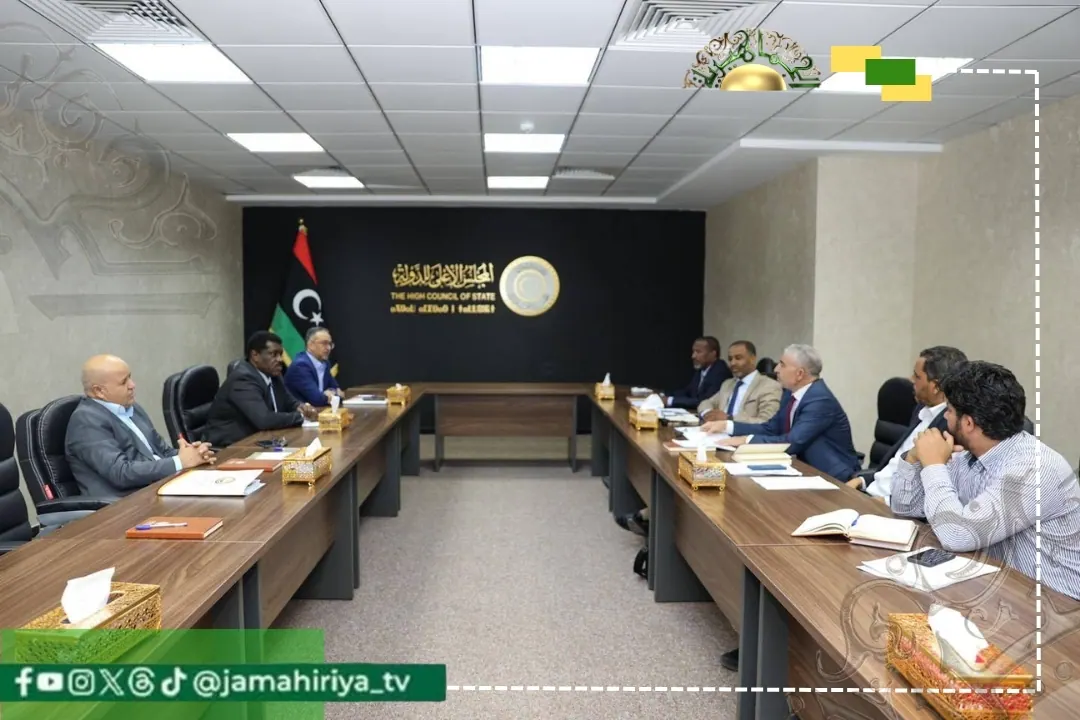
Libyan politician Abdul Moneem Al-Yasser believes that changing the leadership of the country's House of Representatives and State Council will not be enough to end the transitional phase. In statements reported by Al-Shark Al-Awsat on October 8, 2026, Al-Yasser emphasized that the future of these institutions depends on their ability to conclude the transitional period. He noted that while changing the leadership of the House of Representatives may offer a glimmer of hope for reviving the political process, it will not suffice to address the deeper crisis related to the continuation of transitional institutions.
Al-Yasser highlighted two possible scenarios for the upcoming phase. The first scenario involves the leadership change leading to the restoration of institutional work and improved coordination between the House of Representatives and the State Council. The second scenario, however, foresees the change sparking a new dispute over legitimacy and representation, potentially exacerbating the country's complex political situation. According to Al-Yasser, the test of the new phase will not be determined by the names of the leaders but by the ability of political institutions to move beyond the transitional phase and push towards a more stable path.
The comments by Al-Yasser come as Libya continues to navigate its transitional phase. The country's political landscape has been marked by ongoing challenges, including divisions between different political factions and institutions. The House of Representatives and the State Council have been central to these efforts, but their effectiveness has been hampered by internal and external factors. Al-Yasser's remarks underscore the need for a more comprehensive approach to addressing Libya's political challenges.
Changing the leadership of Libya's key institutions may provide an opportunity for reform, but it also carries risks. If not managed carefully, the transition could lead to further instability and conflict. Al-Yasser's call for a focus on the ability of institutions to drive progress highlights the importance of a functional and cohesive political framework. This framework must be capable of addressing the country's pressing issues, including economic challenges, security concerns, and the need for national reconciliation.
The international community has been closely watching developments in Libya, with many countries and organizations expressing support for a peaceful and stable resolution to the country's transition. The United Nations and other international actors have been engaged in efforts to facilitate dialogue and promote a national consensus. However, the success of these efforts depends on the willingness of Libyan stakeholders to work together towards a common goal.
Libya's transitional phase has been prolonged, with various deadlines for elections and the establishment of a permanent government having passed. The country's political institutions face significant challenges in their efforts to establish stability and legitimacy. Al-Yasser's comments reflect the concerns of many Libyans who are eager to see a conclusion to the transitional phase and the establishment of a more stable and effective government.
The road ahead for Libya's political institutions will likely be complex and challenging. The country's leaders will need to navigate a range of issues, including the organization of elections, the establishment of a new constitution, and the integration of various armed groups into a unified security framework. The international community will be watching closely, but ultimately, the success of Libya's transition will depend on the actions and decisions of its leaders and citizens.
Key points
- Changing leadership is not enough to end Libya's transitional phase.
- Libya's institutions must demonstrate their ability to drive progress and stability.
- The international community is watching developments in Libya closely.