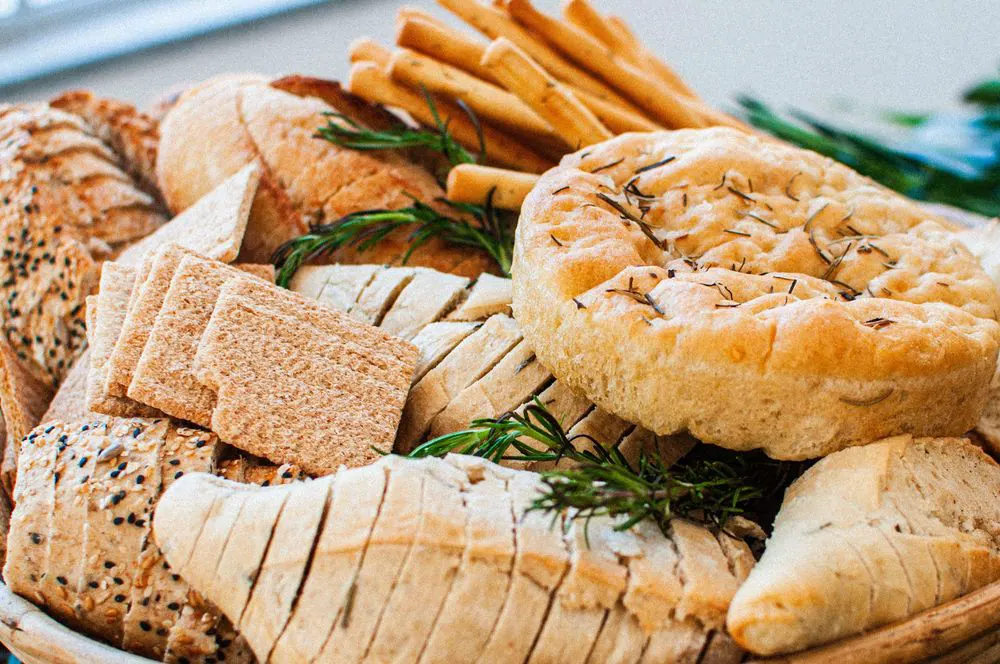
The growing demand for gluten-free foods is driving a shift in Africa's food industry, with entrepreneurs and manufacturers exploring new markets for indigenous crops. In Nairobi, Kirsten Bakery is one example of a business capitalizing on this trend, featuring breads, cakes, and pastries made from naturally gluten-free ingredients such as cassava, millet, and sorghum. This shift is not only driven by people with celiac disease but also by consumers who are sensitive to gluten and experience allergic reactions.
According to Judith Moraa, a Nairobi-based nutritionist, eliminating gluten is not a weight-loss strategy, and many consumers mistakenly associate wheat with weight gain. Moraa notes that naturally gluten-free indigenous crops offer valuable nutritional benefits due to their high dietary fibre content, which supports digestion. For consumers who can tolerate gluten, Moraa argues that there is no medical reason to eliminate it entirely. However, the demand for gluten-free foods is driving innovation and commercial opportunities in Africa.
The global gluten-free bakery products market is projected to reach US$7.38 billion by 2034, with African businesses positioning indigenous crops as locally sourced alternatives for domestic and international markets. Cassava, millet, and sorghum offer advantages beyond nutrition, including local sourcing and resilience to drought and changing climatic conditions. Many African food manufacturers are exploring ways to transform these crops into premium food products, strengthening domestic agricultural value chains and pursuing food security alongside industrial development.
Researchers are developing technologies to make African gluten-free ingredients more competitive. At the University of Pretoria, Food Science PhD researcher Daddy Kgonothi has developed a patent-pending modified marama bean protein concentrate to improve the quality and affordability of gluten-free baked products. Marama beans, native to Southern Africa, are being used to tackle the technical challenge of replicating the structure, elasticity, and soft texture that gluten provides in bread.
South African researchers are also exploring ways to transform cosmetically rejected potatoes into premium gluten-free foods, creating new markets for produce that would otherwise go to waste. According to Potatoes South Africa, around 140,000 tonnes of potatoes worth roughly R759 million are rejected from the formal market each year. Researchers at Stellenbosch University and the University of Pretoria are developing gluten-free breads, muffins, and pancakes using reformulated potato flour, overcoming technical barriers in gluten-free baking.
Governments are building institutional foundations for the sector, with Nigeria recently securing approval to lead the development of an international standard for root and tuber flours. Similar developments are emerging across the continent, with cassava being processed into gluten-free flour in West and Central Africa, and sorghum and millet finding new applications in speciality foods in Eastern and Southern Africa. Ethiopia's teff is also expanding beyond its traditional market, with British International Investment committing US$5 million to Lovegrass Ethiopia to expand production.
The growth of the gluten-free market is also driven by sustainability and consumer willingness to pay for products that reduce food waste. Consumer trials found that willingness to buy gluten-free products made from lower-grade potatoes increased significantly once shoppers learned they helped reduce food waste. As demand for convenient gluten-free foods grows, researchers believe innovations in gluten-free products could create new value chains for previously wasted produce, improving farmers' returns and supplying the expanding market.
Key points
- The global gluten-free bakery products market is projected to reach US$7.38 billion by 2034.
- African businesses are positioning indigenous crops as locally sourced alternatives for domestic and international markets.
- Researchers are developing technologies to make African gluten-free ingredients more competitive.