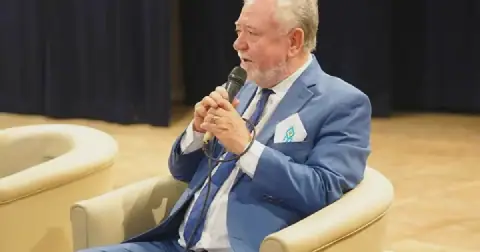
The Chamber of Mines of Namibia remains optimistic about the country's mining industry prospects in 2027, according to its chief executive Fabian Shaanika. Despite proposed sliding-scale export levies on uranium and geopolitical uncertainties, Shaanika expressed confidence in reaching a mutually beneficial outcome with the government early next year. He cited constructive engagements with the ministry of finance on the proposed export levies as a reason for his optimism.
Shaanika, who took over as chief executive earlier this year, described his first six months as rewarding, with opportunities to learn, engage with members, and build relationships with stakeholders across the mining industry. He also paid tribute to outgoing chief executive Veston Malango, who is retiring in December after many years of service to the chamber and Namibia's mining industry. Shaanika's introduction to the role has been particularly eventful, marked by policy and regulatory developments, including proposed tax changes affecting the mining sector.
In 2025, Namibia's uranium production rose 20.8% year-on-year, keeping the country among the world's top three uranium producers. Market analysts estimated Namibia's total annual output at roughly 8 000 to 10 000 tonnes, supplying about 10% to 12% of global mined uranium. The growth in output was driven by strong global nuclear demand and higher production across all three operating mines in the Erongo region: Husab, Rössing, and Langer Heinrich.
Uranium mining in Namibia is subject to a 37.5% non-diamond mining corporate tax rate, a 3% royalty on nuclear fuel minerals, and a 0.25% export levy on uranium oxide/yellowcake. The proposed revisions to uranium export levies have been among the issues shaping the Chamber's engagement with government. Shaanika said he remains optimistic about the industry's prospects, despite these challenges.
The Chamber of Mines of Namibia has been engaging with the ministry of finance on the proposed export levies, with Shaanika expressing confidence in reaching an agreement in the new year. He described the engagements as constructive and said that they have given him confidence that the chamber and government can reach a mutually beneficial outcome.
Namibia's mining industry has been a significant contributor to the country's economy, with the sector playing a crucial role in driving growth and development. The Chamber of Mines of Namibia represents the interests of the country's mining industry and works to promote the sector's growth and development. Shaanika's optimism about the industry's prospects is a positive sign for the country's economy.
The proposed sliding-scale export levies on uranium are expected to have a significant impact on the country's mining industry. However, Shaanika's confidence in reaching a mutually beneficial outcome with the government has helped to alleviate concerns about the potential impact of the levies. The Chamber of Mines of Namibia will continue to engage with the government on the proposed levies and other issues affecting the sector.
Key points
- The Chamber of Mines of Namibia remains optimistic about the country's mining industry prospects in 2027 despite proposed uranium export levies and geopolitical uncertainties.
Reporting sources
- Chamber of Mines optimistic despite uranium levy uncertainty · Windhoek Observer