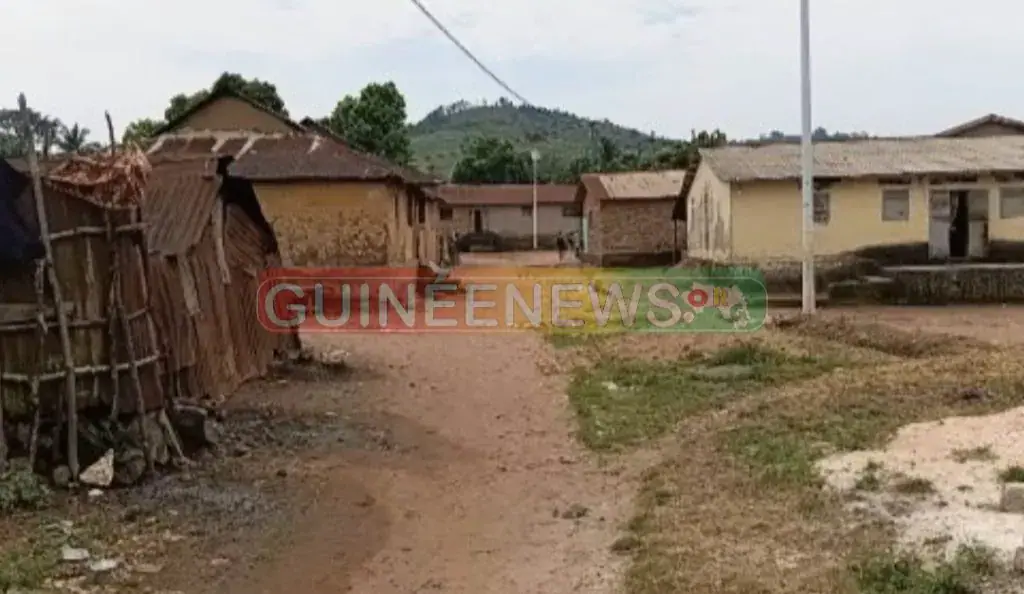
Conflicts between farmers and herders in Guinea's Molota commune, about 20 kilometers from Kindia, remain a concern for local communities. Destruction of crops by animals, disagreements over compensation, and difficulties in cohabitation are factors that can undermine social peace. To address these recurring disputes, local authorities are strengthening community mediation and preventive measures to promote peaceful coexistence between the two groups.
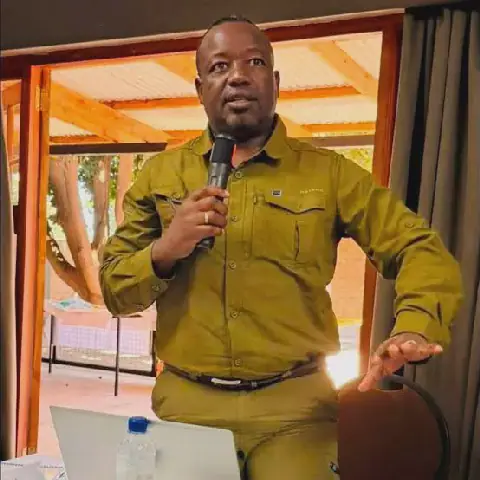
The Council for Conflict Prevention and Management, led by Landana 2 Soumah, prioritizes amicable settlements in resolving disputes. Soumah acknowledges that the frequency and complexity of these conflicts make resolution challenging. Despite administrative difficulties, including the lack of a joint decree formalizing his role, Soumah has taken steps to address population concerns and prevent escalating tensions.
When a conflict arises from damaged crops, the Council convenes both parties to listen and find common ground. The herder is asked to propose financial compensation to the affected farmer. This approach has helped defuse tensions and preserve neighborly relations in several cases. However, some parties' unwillingness to acknowledge damage or respect mediation agreements hinders conflict resolution.
If dialogue fails to yield a compromise, the Council recommends involving competent institutions, such as courts and security services, to ensure victims receive reparations according to existing regulations. Local authorities aim not only to resolve disputes but also to anticipate risk situations by addressing underlying causes. Delimiting areas reserved for agricultural and pastoral activities is a key prevention strategy.
Soumah sees the proposed delimitation of exclusive zones for livestock and agriculture as a significant step forward. Following discussions with stakeholders, he expects to convene another meeting and then visit districts to identify and demarcate these zones, informing the population accordingly. This initiative aims to prevent conflicts between farmers and herders.
However, prevention and mediation have limitations, particularly when disputes escalate into violent acts against animals. Soumah notes that such actions may constitute offenses requiring intervention from competent services, including the gendarmerie. Effective management of agropastoral conflicts is crucial for social stability and preserving rural economic activities in Molota.
Local authorities are working to establish a more harmonious coexistence through mediation, actor accountability, and concerted spatial organization. The success of these efforts depends on the concrete implementation of planned measures and the commitment of all communities. Ongoing dialogue and cooperation will be essential in maintaining peace between farmers and herders in Molota.
Key points
- Local authorities in Guinea's Molota are promoting dialogue and mediation to prevent conflicts between farmers and herders.
- The Council for Conflict Prevention and Management prioritizes amicable settlements in resolving disputes.
- Delimiting areas reserved for agricultural and pastoral activities is a key prevention strategy.