The Namibian government is struggling to fund early childhood development (ECD) educators, with a significant shortfall in the budget. The Ministry of Gender Equality and Child Welfare had requested N$29.601 million to cover educational subsidies for ECD educators from November 2026 to March 2027. However, the Treasury allocated only N$7.967 million, leaving a gap of N$21.634 million. This shortage may lead to financial difficulties for hundreds of ECD educators.
The ECD educators' subsidy scheme provides monthly allowances ranging from N$1,500 to N$2,500. Many community-based centers rely on these subsidies, as they do not generate sufficient income to cover operational costs and educator salaries. The funding gap has raised concerns about the financial security of ECD educators, particularly those working in disadvantaged and marginalized areas. The limited allocation will only cover payments for November, leaving educators uncertain about their financial situation from December to March.
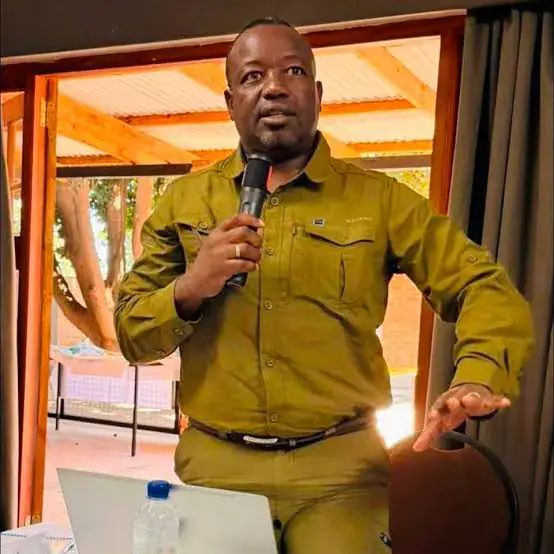
National Unity Democratic Organisation (Nudo) parliamentarian Vetaruhe Kandorozu expressed concerns about the funding shortage. He questioned the government's contingency plans to address the N$21.63 million shortfall. Kandorozu asked about concrete measures to ensure the availability of funds for ECD educators. The parliamentarian also raised concerns about the potential loss of early learning opportunities for vulnerable children during the festive season and the start of the 2027 academic year.
The funding shortage may have severe consequences for ECD educators and the children they serve. Many community-based centers may struggle to operate without sufficient funding. This could lead to a decline in the quality of education and care provided to young children. The situation is particularly dire for centers in disadvantaged areas, where ECD programs are often the only educational opportunities available.
Kandorozu also inquired about the transfer of the ECD educator subsidy program from the Ministry of Gender Equality and Child Welfare to the Ministry of Education. He requested confirmation of the exact date of the transfer and assurance that the 2027-2028 national budget will include a fully allocated and uninterrupted grant. This would ensure that ECD educators do not face administrative challenges or financial uncertainty during the transition.
The Nudo parliamentarian's concerns highlight the need for a sustainable solution to fund ECD educators. The government must address the funding gap to ensure the continued provision of quality education and care for young children. The ECD sector plays a critical role in laying the foundation for future learning and development. Therefore, it is essential to prioritize funding for ECD educators and ensure their financial security.
The Ministry of Gender Equality and Child Welfare and the Ministry of Education must work together to resolve the funding crisis. They should develop a plan to address the shortfall and ensure the continued support of ECD educators. This may involve re-allocating funds, seeking additional resources, or exploring alternative funding mechanisms. Ultimately, the well-being and education of Namibia's young children depend on the government's ability to prioritize and support the ECD sector.
Key points
- The Namibian government faces a significant funding gap of N$21.6 million for early childhood development educators.
- The shortage may lead to financial difficulties for hundreds of ECD educators, particularly those working in disadvantaged areas.
- The government must develop a plan to address the funding crisis and ensure the continued support of ECD educators.