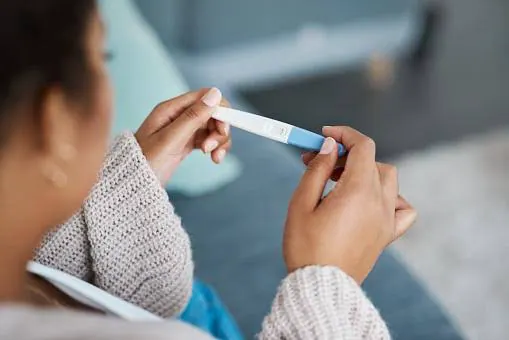
In Ghanaian society, marriage is often seen as a precursor to parenthood, and women who struggle with infertility face significant stigma and pressure. Abigail Arthur Efia, a 22-year-old woman who got married in 2022, experienced this firsthand. Despite undergoing fertility tests, which showed no issues, Efia and her husband have been trying to conceive for four years. The pressure from family, friends, and even places of worship has taken a toll on her mental health.
The World Health Organization's first global guideline on infertility, released in November 2025, highlights that women in relationships with men are often assumed to be the cause of infertility, whether or not that's true. This assumption can lead to unfair blame and pressure on women. Efia's experience is a prime example, as her family and friends often directed questions and suggestions at her, assuming she was the one with the problem.
The stigma surrounding childlessness can follow women into places that are supposed to feel safe, such as churches and family gatherings. Efia stopped attending her previous church due to hurtful comments from members, who would often pray for her to have a child. Even in her new church, she felt excluded during services when pastors would call pregnant women and mothers with children forward for prayer.
The cruelty and stigma can come from unexpected places, such as market vendors and acquaintances. A woman who sold goods near Efia's home would often mock her, suggesting that she wasn't satisfying her husband or that she should try different "styles" in the bedroom. However, this woman later gave birth and became pregnant again, only to feel fear and shame due to the same social pressure she had once inflicted on Efia.
Not every woman waiting through unexplained delay describes hostility, however. Adjoa, a woman who has been married since 2023, has experienced a more supportive environment. Her husband and families have stood behind her without pressure or judgment. Despite this, Adjoa still feels uneasy due to the visible nature of her waiting, even within a loving circle.
The story of Efia and Adjoa highlights the need for a more supportive and understanding environment for women struggling with infertility in Ghanaian society. The social pressure and stigma surrounding childlessness can have severe consequences on a woman's mental health and well-being. By sharing their stories, we can work towards creating a more compassionate and inclusive community.
Ultimately, the experience of Efia and Adjoa serves as a reminder that infertility is a complex issue that affects both men and women, and that it requires a comprehensive and supportive approach. By challenging the stigma surrounding childlessness, we can work towards creating a society that values and supports individuals struggling with infertility.
Key points
- Women in Ghanaian society face significant stigma and pressure when struggling with infertility.
- The World Health Organization's guideline on infertility highlights the need for a more supportive and understanding environment.
- The stories of Efia and Adjoa demonstrate the importance of creating a compassionate and inclusive community for individuals struggling with infertility.